The island of Halmahera, a rugged jewel in Indonesia’s vast archipelago, is a place where the landscape speaks with an ancient, untamed voice. Here, the earth does not merely support life; it breathes, shifts, and occasionally erupts in a display of raw, elemental power. When the peak of Mount Dukono, a summit that has remained a volatile presence since the early twentieth century, suddenly claimed the lives of those who wandered into its restricted shadows, the news arrived as a chilling reminder of the boundary between human curiosity and the uncompromising reality of the natural world.
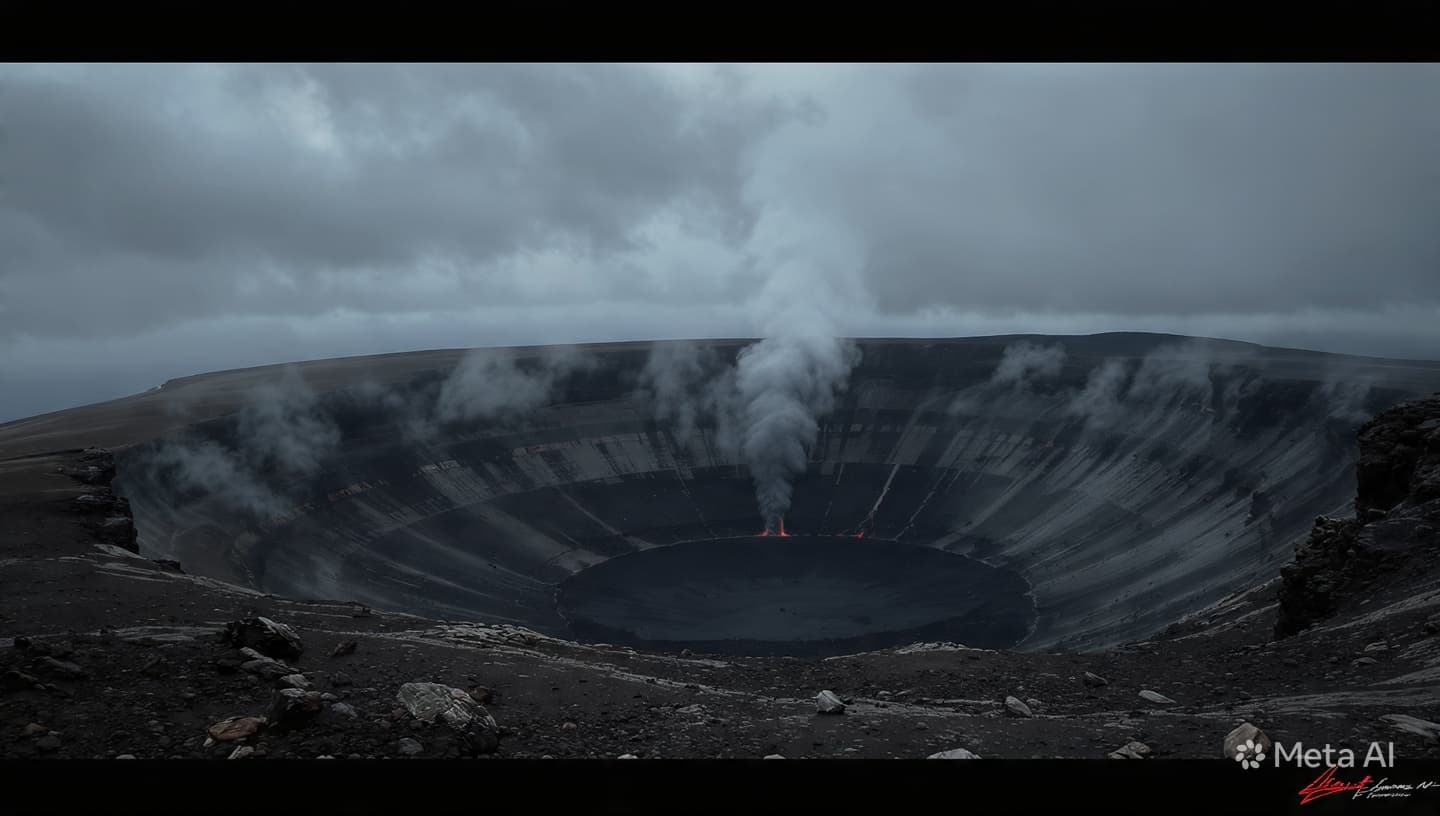
The ascent of Dukono is not a casual journey, yet the allure of the crater—an active, breathing lung of the earth—drew a group of twenty climbers into its high-risk domain. They moved through a landscape marked by signs and warnings, entering a zone where the earth’s instability is not a hidden secret but an established fact. When the eruption occurred, a sudden and violent exhaling of ash and rock, the mountain transformed from a destination of wonder into a theater of urgent, life-altering peril.
In the moments after the ash column rose ten kilometers into the sky, the silence of the mountain was replaced by the frantic, desperate scramble of those caught in the fallout. For the three individuals—two from Singapore and one from Indonesia—whose journeys ended on those slopes, the mountain became a place of finality. Their loss, underscored by the ongoing threat of secondary hazards and volcanic bombs, turned a planned adventure into a tragedy that resonated far beyond the borders of Halmahera.
The aftermath has been defined by the arduous, often dangerous labor of search and rescue teams. Navigating a landscape that remains volatile, where the air itself can carry the sting of ash and the promise of further activity, these teams have worked with a solemn focus. Their mission is one of duty, complicated by the very forces that caused the disaster, illustrating the precariousness of human intervention when the earth itself is in a state of violent flux.
For the local authorities, the incident is a bitter lesson in the difficulty of enforcing boundaries in an age of digital influence. The urge to capture the mountain’s power for virtual audiences has, in some cases, overridden the fundamental instinct for survival. It is a modern paradox: as we gain the ability to share the remotest corners of our world with the flick of a screen, we sometimes lose the tangible sense of the dangers that dwell within them. The restricted zones, established for the protection of life, are often treated as challenges to be overcome rather than boundaries to be respected.
As the families of the deceased begin their long process of grieving, the broader community is left to reflect on the meaning of our relationship with the wild. The volcano remains, indifferent to the presence of human beings, continuing its cycle of eruption and repose. It is a reminder that the world is not merely a backdrop for our experiences, but an active, often dangerous participant in our lives—one that requires a level of humility and caution that is easily forgotten in the comfort of our daily routines.
The investigation into the circumstances of the climb will continue, and the legal repercussions for those who facilitated the entry into the restricted zone will unfold. Yet, the tragedy in North Halmahera serves as a quiet, urgent meditation on the nature of our ambitions. We seek the summits, the views, and the thrill of the extraordinary, often blind to the fact that the very ground beneath our feet can change in an instant. The memory of the three lives lost is a somber testament to the cost of that blindness.
Ultimately, the eruption at Dukono is a reflection on the fragility of our paths. We move through the world, often believing ourselves to be in control, only to find that nature’s clock ticks to a rhythm we can neither command nor predict. As the dust settles over the slopes of Halmahera and the mountain returns to its fitful, active sleep, the quiet that follows is a final, heavy acknowledgment of the lives that were so suddenly woven into the story of the volcano.
Published by Banx Network. This article is part of the Banx decentralized media programme, powered by the BXE token on the XRP Ledger.