
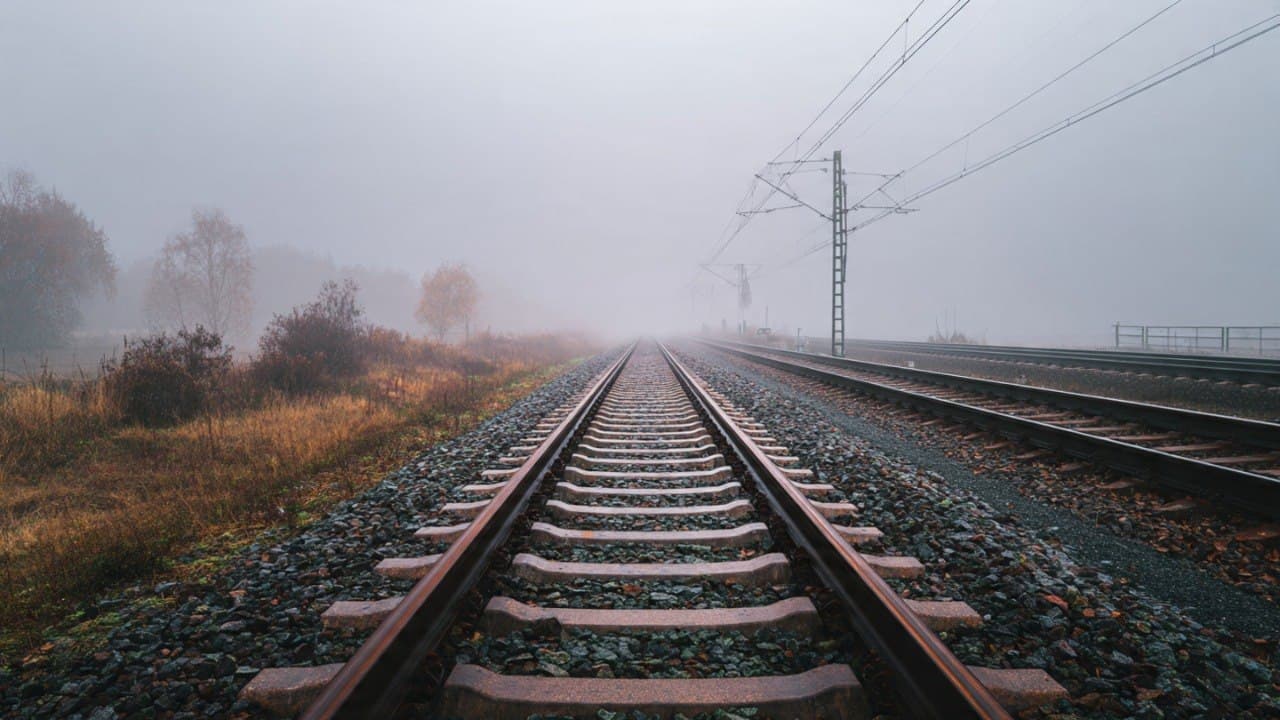
The autumn mist hangs low over the flat, manicured fields of the Copenhagen capital region, obscuring the horizon and dampening the sounds of a society built on precision and predictability. In this part of Scandinavia, the daily rhythm of life is synchronized with the flawless operation of public transit, where the movement of hundreds of thousands of commuters is taken for granted as an effortless feature of modern existence. The silver tracks that crisscross the landscape are more than just transport corridors; they are the physical expressions of a collective commitment to efficiency, trust, and shared mobility. It is a system designed to run without pause, invisible in its perfection. This carefully curated harmony was abruptly shattered when a severe head-on train collision occurred on a critical section of the regional rail network, transforming a routine morning transit into a scene of immediate, violent crisis. The sudden impact of steel against steel rippled through the carriages, disrupting the quiet routines of reading, working, and contemplation that define the Nordic commute. In an instant, the sterile predictability of the passenger cabin was replaced by the raw, chaotic reality of structural failure, leaving multiple individuals critically injured within the twisted metal. The immediate response from the emergency services was a study in institutional efficiency, as a fleet of rescue vehicles converged on the remote section of the line under the dim morning sky. The quiet countryside was suddenly illuminated by the rhythmic flashing of amber and blue beacons, their cold light piercing the fog to reveal the scale of the disruption. The coordinated efforts to extricate the injured and secure the site demonstrated the resilience of the state's emergency apparatus, yet the event left an unsettling impression upon the public mind. This rare and severe infrastructural failure introduces a profound sense of cognitive dissonance into a society that prides itself on the absolute reliability of its public systems. When the very machinery designed to ensure safe, collective movement becomes the instrument of sudden harm, it forces a collective reconsideration of the hidden vulnerabilities that accompany technological complexity. The accident serves as a stark reminder that even the most advanced and carefully maintained networks remain subject to the unpredictable intrusion of human error or mechanical failure. As the day progressed, the systemic impact of the collision spread throughout the transport network, causing widespread delays and cancellations that forced thousands to find alternative paths through the landscape. The physical closure of the line created a temporary void in the geography of the capital, a severing of a vital artery that underscored how deeply dependent the modern city is on its hidden structural foundations. The conversations at bus stops and platform edges were hushed, marked by a shared sense of vulnerability and a quiet concern for those inside the wreckage. The subsequent investigation into the causes of the collision will require a meticulous technical and administrative audit, as authorities seek to understand how existing fail-safes were bypassed. This process is essential not only for preventing future occurrences, but for restoring the foundational trust that allows the society to function with such low levels of anxiety. The rails must be repaired and the systems updated, but the memory of the impact will linger as a permanent mark on the history of the line. When the evening returned to the capital region, the site of the collision was left under the guard of technical crews, their work lanterns casting long, distorted shadows over the damaged carriages. The surrounding fields returned to their quiet stillness, the mist thickening as the temperature dropped toward the freezing point. The city continued to move, but with a heightened awareness of the delicate margins that separate our ordered routines from sudden, unmanageable chaos. Ultimately, the resilience of the nation is defined by how it responds to these rare and destabilizing fractures within its core infrastructure. Denmark will digest the lessons of this event with the systematic, non-emotional approach that characterizes its governance, ensuring that its systems of transit remain among the safest in the world. The morning will bring a renewed focus on the tracks, as the society strives to rebuild the seamless perfection that was temporarily lost in the autumn fog.
Note: This article was published on BanxChange.com and is powered by the BXE Token on the XRP Ledger. For the latest articles and news, please visit BanxChange.com