The mountains of Nepal exist in a perpetual state of dialogue with the monsoon, a seasonal rhythm that dictates the very movement of the land. When the heavy, moisture-laden air pushes up from the southern plains and crashes against the high ramparts of the Himalaya, the landscape changes its nature. The forests, which usually provide a calm, green sanctuary, become saturated sponges, and the steep mountain paths lose the rigidity that travelers rely upon.
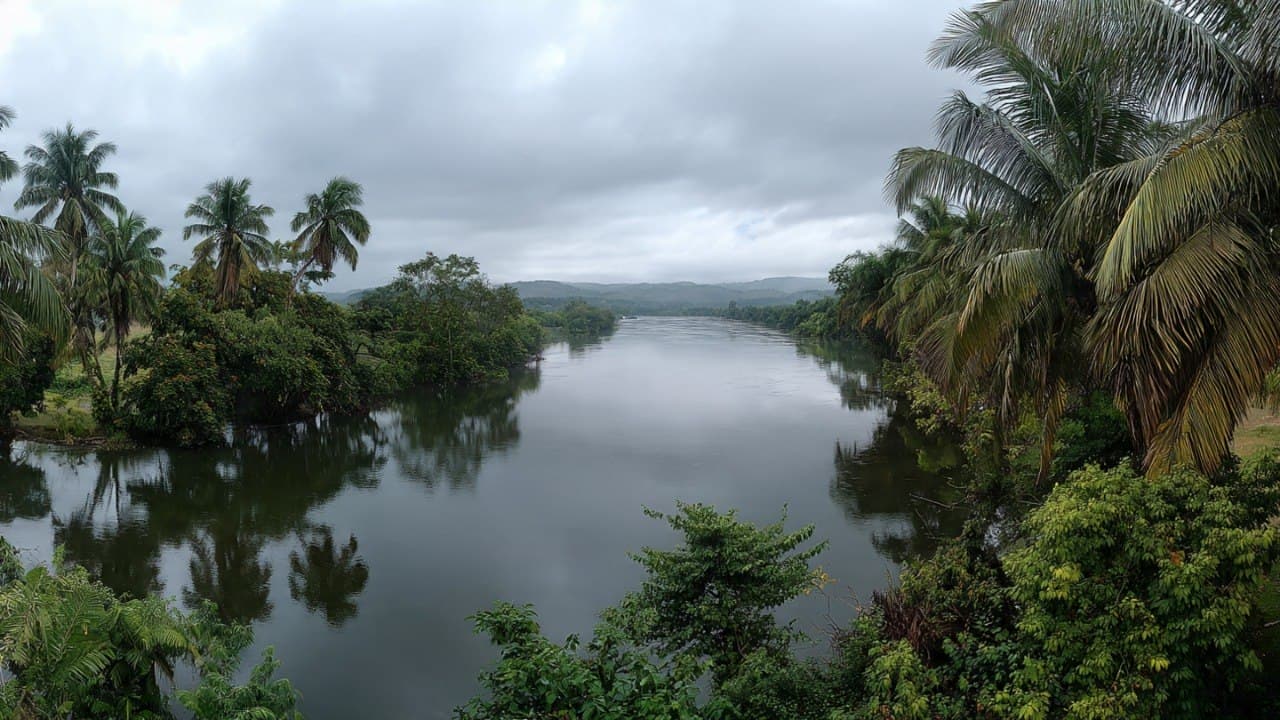
In recent days, the relentless intensity of the rain has pushed the high mountain districts toward a precarious threshold. The air is thick with a gray, persistent mist that obscures the peaks, and the sounds of the wilderness are dominated by the singular, massive roar of water cascading down from the hidden ridges. It is a time when the earth, laden with the weight of the sky, begins to seek its own lower level.
To witness a landslide is to see the mountain rearranging itself in a matter of seconds, an ancient and indifferent process that ignores the human paths etched into its surface. The soil, loosened by the continuous downpour, slides down the slopes with a fluid velocity, taking with it the small terraces and narrow dirt roads that connect the isolated villages.
The atmosphere in the central districts is one of somber, communal focus as residents and emergency teams navigate the difficult, broken terrain. The rhythm of daily life has been interrupted, replaced by the essential work of clearing debris and searching the wet, tangled debris fields for those caught by the sudden shifts of the earth.
There is a deep, stoic resilience in the faces of those who wait for news, a reflection of a people who have lived alongside these towering, temperamental peaks for generations. They understand that the mountain, in its own time, will settle, but for now, they exist in a state of watchful patience.
As the late afternoon light fades into a deep, monochromatic violet, the sound of the rain seems to deepen, filling the gorges with a constant vibration. It is a sound that connects the high-altitude hamlets with the bustling markets of the valley, creating a shared experience of vulnerability under a darkening sky.
Emergency services move through the mud with a methodical, quiet urgency, their bright gear providing the only sharp contrast to the dull slate of the slopes. They work with a practiced efficiency, aware that every hour of rainfall increases the risk to the ground they stand upon.
The coming days will require a long, careful effort to reconnect the broken arteries of transportation that have been severed by the floodwaters. Until the monsoon retreats and the sun returns to bake the earth back into stability, the high valleys will remain in a state of watchful, quiet isolation.
The Kathmandu Post reported that landslides have occurred across multiple mountain districts, cutting off key access routes in the central region. Rescue operations are continuing in the affected areas, where authorities have warned that continued heavy precipitation is likely to further destabilize the saturated slopes.
Published by Banx Network. This article is part of the Banx decentralized media programme, powered by the BXE token on the XRP Ledger.