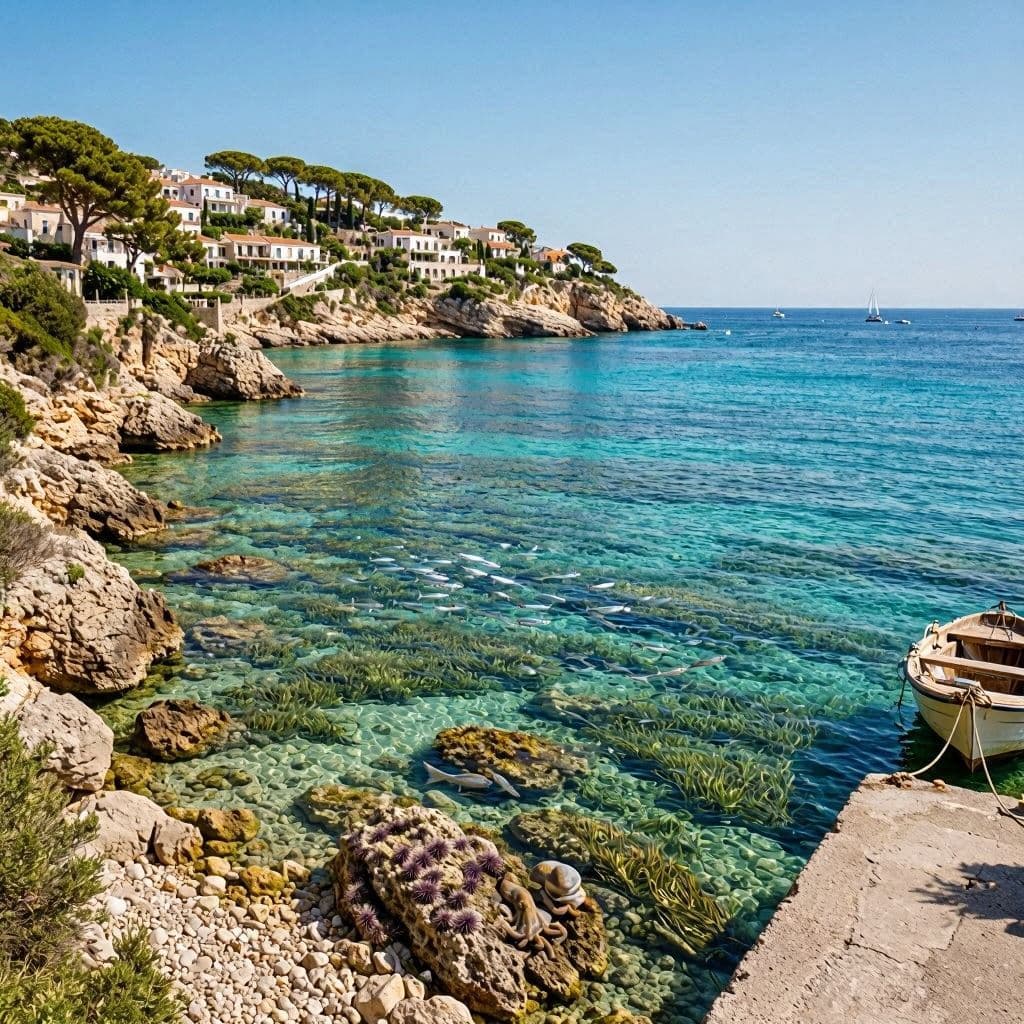
Along the coasts of the Mediterranean, where marine ecosystems have long supported rich biodiversity, scientists are now observing subtle changes in species distribution and environmental balance.
Body: French marine research institutions are studying how rising sea temperatures are affecting biodiversity in the Mediterranean Sea. These changes are being observed in both shallow coastal ecosystems and deeper marine environments.
Warmer waters can alter migration patterns, reproduction cycles, and food availability for marine species, leading to gradual shifts in ecosystem structure.
Researchers from organizations such as IFREMER are using underwater surveys, satellite data, and long-term ecological monitoring to track these developments.
Some species appear to be moving toward cooler northern waters, while others are experiencing population stress in traditional habitats.
Scientists emphasize that marine ecosystems are dynamic, and long-term data is necessary to distinguish between natural variation and sustained environmental change.
Conservation efforts are focused on protecting vulnerable habitats and improving marine resilience against climate-related stress.
International collaboration is also important, as the Mediterranean ecosystem spans multiple national jurisdictions.
Closing: As research continues, the Mediterranean remains a key region for understanding the impact of climate change on marine biodiversity.
AI Image Disclaimer: Some visuals may be AI-generated for editorial illustration purposes.
Source Verification Check: IFREMER, Nature Ecology, Reuters Environment Desk, BBC Science, CNRS France
Published by Banx Network. This article is part of the Banx decentralized media programme, powered by the BXE token on the XRP Ledger.