
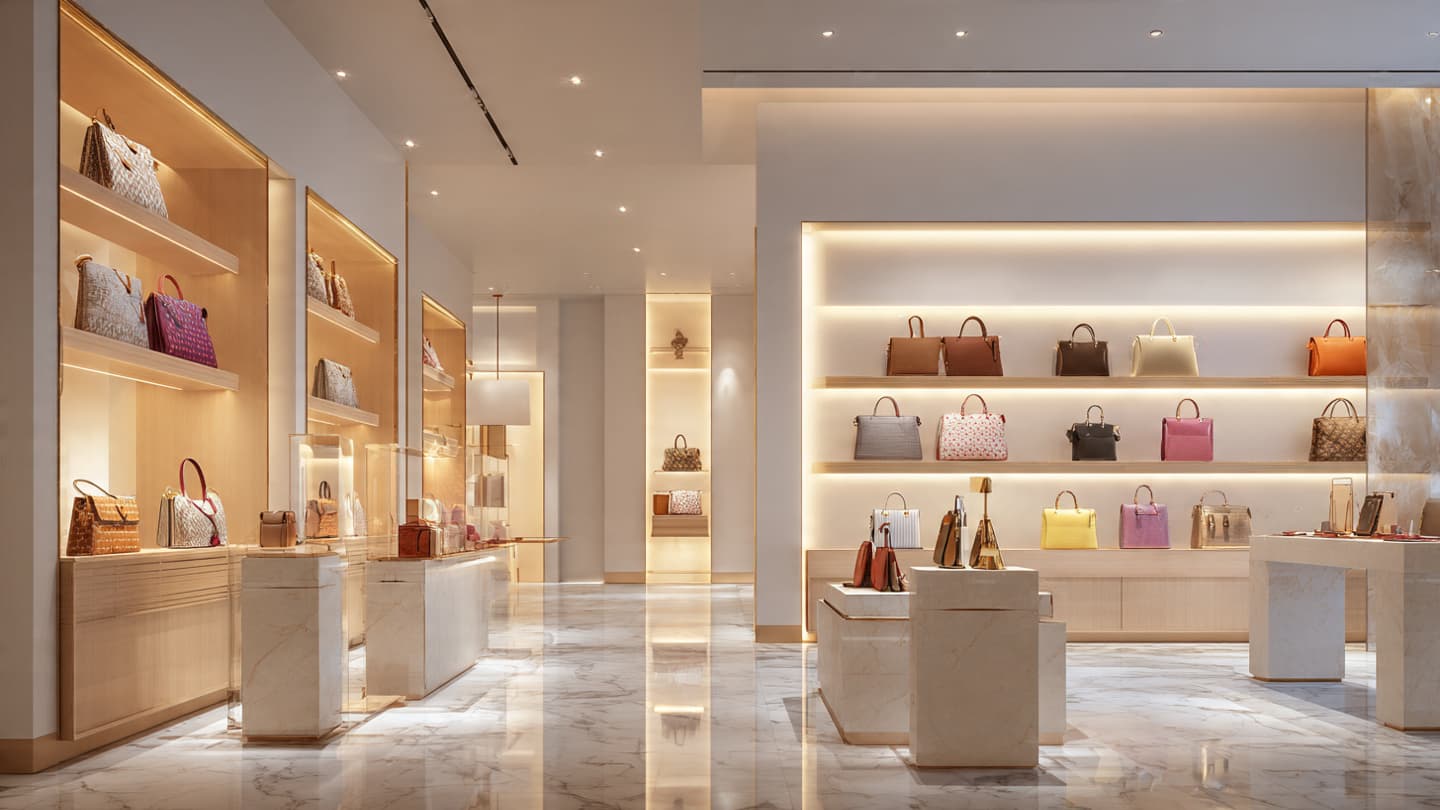
Luxury goods often symbolize confidence, aspiration, and economic momentum. When consumers feel optimistic about the future, spending on premium products tends to flourish. Yet even the world's most prestigious brands are not immune to broader economic currents. LVMH, the French luxury conglomerate behind some of the most recognizable names in fashion, jewelry, cosmetics, and spirits, is currently facing signs of softer demand in several key markets.
The slowdown reflects changing consumer behavior rather than a single defining event. Economic uncertainty in certain regions has encouraged some shoppers to become more cautious with discretionary spending. Inflation, interest rates, and concerns about future growth have influenced purchasing decisions, particularly among consumers who might otherwise contribute significantly to luxury sales.
China remains an especially important market for the global luxury industry. For years, strong demand from Chinese consumers supported rapid growth across many premium brands. Recent changes in economic conditions, however, have created a more cautious environment. While demand remains substantial, growth rates have moderated compared to previous years, prompting companies to reassess expectations.
Europe and North America are also experiencing shifts in consumer sentiment. Luxury shoppers continue to value quality, exclusivity, and brand heritage, yet purchasing patterns are evolving. Some consumers are prioritizing experiences over products, while others are becoming more selective in their spending choices. These trends are influencing how luxury groups position themselves within an increasingly competitive marketplace.
LVMH's diversified portfolio provides a degree of resilience. The company operates across multiple sectors, reducing dependence on any single product category or geographic region. Fashion, leather goods, cosmetics, jewelry, and hospitality all contribute to the broader business. This diversification allows the group to navigate fluctuations more effectively than companies concentrated in narrower segments.
Industry observers note that luxury demand has historically moved in cycles. Periods of rapid expansion are often followed by phases of slower growth as markets adjust to changing economic realities. Such transitions do not necessarily indicate structural weakness but rather reflect the natural evolution of consumer behavior over time.
Brand strength remains one of LVMH's greatest assets. Many of its flagship labels possess decades or even centuries of heritage, giving them enduring appeal among consumers around the world. This reputation for quality and craftsmanship continues to differentiate the company within the luxury sector.
Investors are closely monitoring developments, particularly in markets where growth has slowed. While short-term challenges may influence financial performance, analysts continue to evaluate the long-term prospects of the luxury industry. Rising wealth in emerging economies and the enduring appeal of premium products remain supportive factors.
The current environment serves as a reminder that even the most successful companies operate within broader economic contexts. For LVMH, adapting to evolving consumer preferences while preserving brand prestige will remain a central priority. As luxury markets continue to change, flexibility and innovation may prove just as valuable as tradition.
AI Image Disclaimer
Visuals are created with AI tools and are not real photographs.
Source Check Sources identified before writing:
Reuters Bloomberg Financial Times AFP The Wall Street Journal
Note: This article was published on BanxChange.com and is powered by the BXE Token on the XRP Ledger. For the latest articles and news, please visit BanxChange.com