
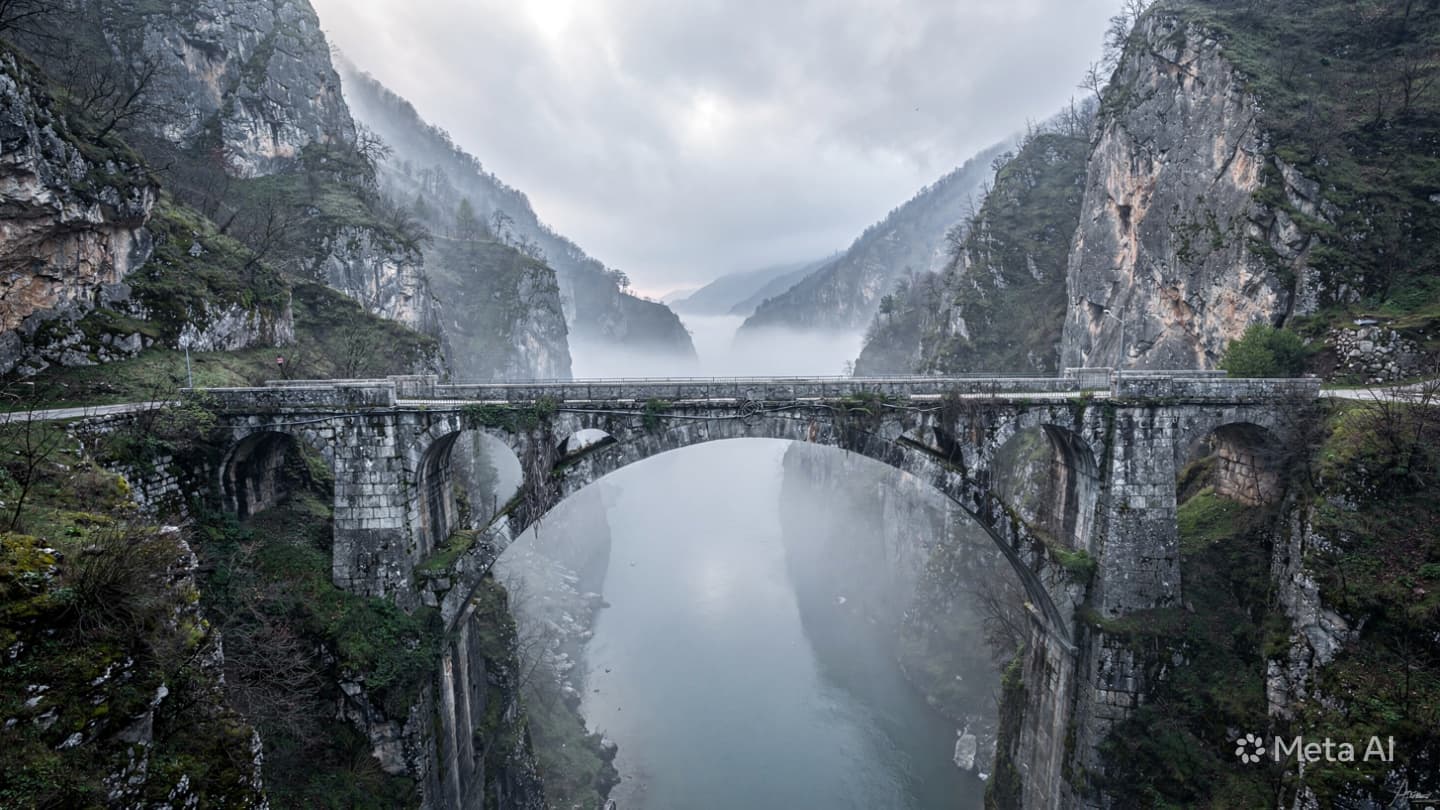
The department of Huehuetenango, located in the rugged western highlands of Guatemala, is characterized by a dramatic, limestone topography that rises sharply into some of the highest peaks in Central America. For centuries, the communities in this region have established themselves along the narrow terraces and steep valley walls, adapting their traditional agricultural practices to the vertical realities of the landscape. There is a deep, architectural beauty to these mountain settlements, where homes are built directly into the slopes and white limestone paths wind through fields of coffee and maize. The local population possesses an intimate understanding of the rock beneath their feet, living in a environment where stability is often defined by the deep roots of old-growth forests.
Yet, the introduction of continuous, unseasonable rainfall patterns uncovers a deep, structural fragility within these ancient geological formations, initiating a process of slow fracture and displacement. Limestone, while appearing solid and unyielding, is highly susceptible to the erosive power of water, which carves out hidden channels and weakens the internal bonds of the rock over time. As the rain saturates the upper layers of soil, the immense weight presses down upon the compromised bedrock, causing visible fissures to rip across the mountainsides and through the foundations of villages. To walk these highland ridges during a prolonged rainy spell is to observe a landscape in a state of active, mechanical transition, where the ground itself seems to be coming apart.
The manifestation of these structural fractures occurs with a unsettling, deliberate slowness that allows for evacuation but entirely destroys the permanence of human architecture. Over the course of several days, small cracks in the asphalt of the inter-departmental highways widen into deep chasms, severing vital transit corridors and tilting utility poles at dangerous angles. In the residential zones, masonry walls begin to groan and separate, forcing families to abandon structures that their ancestors built to last for generations. It is a quiet, non-violent form of disaster, but its consequences are absolute, rendering entire hillsides permanently uninhabitable and erasing the legal boundaries of property and community.
The immediate consequence of these geological fractures is the severe isolation of the northernmost municipalities of Huehuetenango, as the primary roads linking them to the departmental capital become entirely impassable. Heavy engineering equipment dispatched by the central government is often forced to halt miles away, as the roadbeds beneath the excavators remain unstable and prone to further subsidence. This forces the local population to construct temporary pedestrian bypasses around the chasms, carrying basic necessities on their backs across narrow, precarious footpaths that track the edge of the collapse. It is a stark reminder of the immense difficulty of maintaining modern infrastructure in a region governed by active geological forces.
Administrative assessments from the national geological institute monitor these slope failures with technical instruments designed to detect micro-movements within the rock strata. The data collected by field teams is compiled into detailed risk maps that identify active fault zones and project the future trajectory of the land displacement. These scientific briefs are integrated into the national emergency framework, providing a clear, empirical basis for evacuation orders and infrastructure relocation plans. Within these technical documents, the loss of entire neighborhoods is expressed in the precise language of shear stress and soil mechanics, offering a quiet, professional perspective on a deeply disruptive human experience.
As the weeks progress, the long-term challenge of resettlement begins to dominate the discussions between community elders and regional planning administrators. Finding safe, stable land in a department defined entirely by steep slopes is an exceptionally difficult task, requiring complex negotiations over land tenure and resource distribution. The displaced families reside in temporary communal halls, their daily routines restricted by the reality of their sudden landlessness. The atmosphere in these temporary spaces is one of quiet determination, as a population accustomed to the hardships of mountain life begins the slow, collaborative process of imagining a new community on safer ground.
The reflection on the fractured slopes of Huehuetenango leaves an observer with a profound sense of the transience of human architecture when confronted with the broader timelines of geological change. The state continues its work, attempting to stabilize the critical transit routes with retaining walls and modern drainage systems, but the mountains remain, dynamic and unpredictable. The scars left by the fissures will serve as a permanent feature of the local geography, a silent reminder that in the high country, the earth demands constant accommodation from those who choose to live upon its ridges.
In the final assessment, official updates from Europol briefings and regional disaster management networks confirm that structural land instability and expanding ground fissures have forced the emergency evacuation of four hundred citizens in western Huehuetenango. The geological movement has caused the total collapse of a three-kilometer section of the main highland highway, completely cutting off vehicular access to three northern municipalities. National engineering teams have deployed specialized sensors to monitor the rate of slope displacement, warning that the bedrock remains too unstable to begin immediate reconstruction efforts.
Note: This article was published on BanxChange.com and is powered by the BXE Token on the XRP Ledger. For the latest articles and news, please visit BanxChange.com