
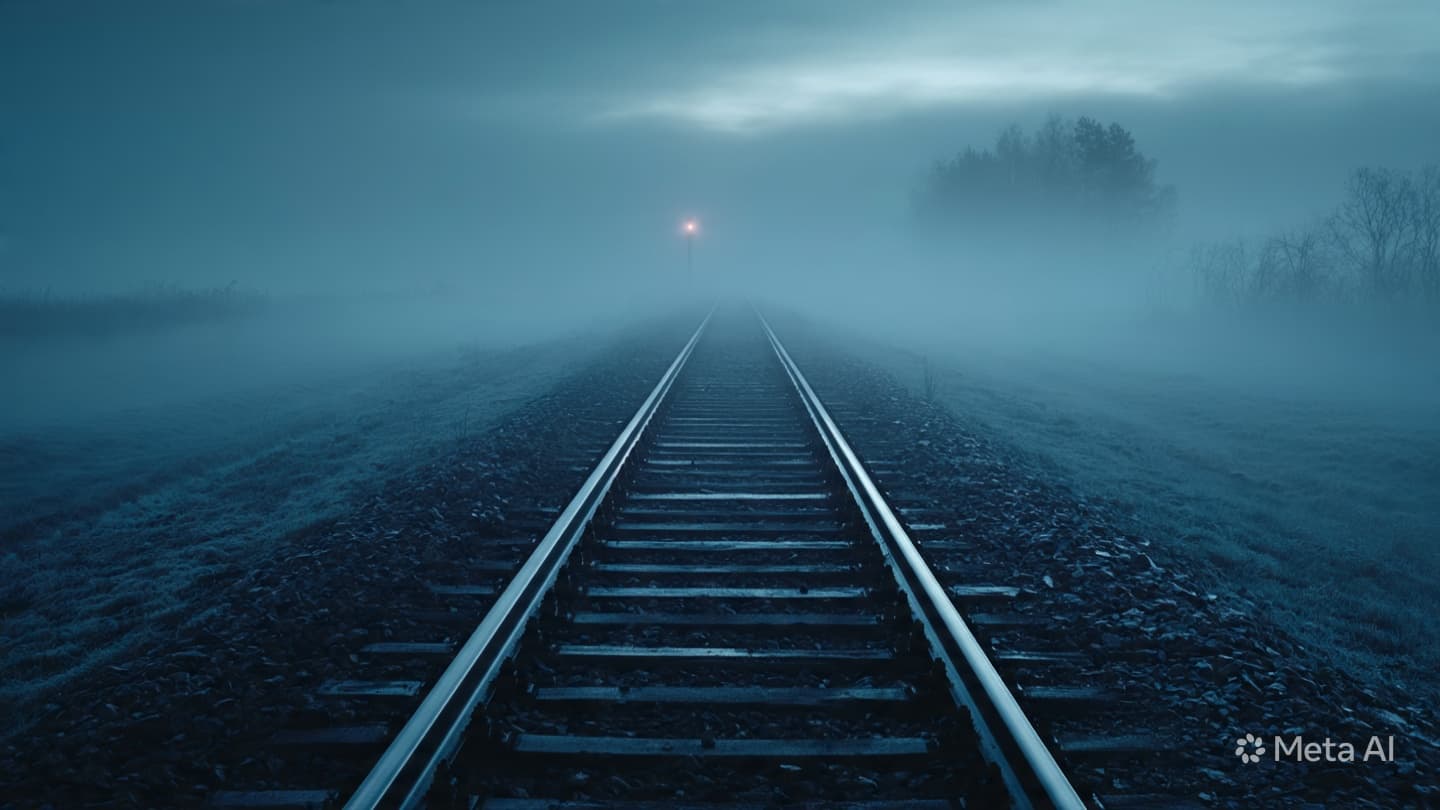
The rail line is a defining feature of the landscape, a ribbon of steel that cuts through the countryside, connecting the quiet villages to the pulse of the larger world. To live near the tracks is to know the constant, rhythmic cadence of the trains—the low, rumbling hum that vibrates through the ground, the sharp, piercing whistle that announces the arrival of yet another arrival or departure. It is a sound that has become the backdrop of existence for those who reside in the valley.
When that predictable, mechanical rhythm is broken by the harsh, immediate reality of an incident, the silence that follows is profound. It is a rupture in the expected order of the day, a moment that commands the attention of the entire community. The train, an emblem of progress and connection, suddenly becomes an object of intense, somber scrutiny, its weight and speed no longer seen as tools of transit but as forces of a sudden, irrevocable end.
Emergency crews arrive with a speed and efficiency that stands in stark contrast to the stillness of the incident site. Their presence—the bright flashes of their lights, the clinical, focused movements of their teams—transforms the railway into a place of intense, human-centered labor. They navigate the narrow, ballast-covered paths with a practiced grace, their work a quiet, solemn attempt to manage the aftermath of a tragedy that has occurred with almost unimaginable swiftness.
Reflecting on the nature of such a tragedy requires a departure from the analytical and a move toward the existential. We are forced to consider the vulnerability inherent in our systems of transit, the way in which the machinery we have built to bridge distances can also be the site of our most profound, isolating losses. It is a humbling reminder that we are only ever a few feet away from the unexpected, and that the order we impose upon our world is always fragile.
The community reacts with a collective, muffled shock. There is no public outcry, no immediate demand for blame—only a shared, quiet recognition that the life lost was one of their own, a neighbor or a traveler who was simply passing through. The incident personalizes the abstract concept of rail safety, grounding it in the shared reality of a local loss that touches everyone in the valley, whether directly or in the quiet recesses of their own thoughts.
As the evening settles, the scene becomes a study in somber textures: the glint of the rails in the fading light, the stark, utilitarian structures of the signal towers, and the distant, fading whistle of the last train of the day. The railway remains, as it always has, a constant, indifferent presence in the landscape. It does not pause for the tragedy; it continues its relentless rotation, a reminder of the brevity of our own movements against the backdrop of time.
The investigation will proceed with a methodical, legalistic rigor, seeking to account for every signal change and every second of time. Reports will be filed, statements will be taken, and the administrative machinery of the railway will continue its grinding, necessary rotation. However, for those touched by the incident, the path to closure will be far more complex, a slow, winding journey through the landscape of grief and the difficult terrain of healing.
In the aftermath, the valley slowly begins to reassert its own cadence. The trains resume their schedules, the commuters return to their routines, and the incident begins to recede into the background of memory. We are left to grapple with the reality of our shared fragility, the way in which our lives are intertwined with the systems we build, and the realization that even in the most familiar of settings, we are never truly beyond the reach of the unforeseen.
Emergency crews responded to a fatal train-related incident earlier today, halting rail traffic along the main corridor. Local authorities have secured the scene and initiated a formal inquiry to determine the circumstances surrounding the event. Rail operations were temporarily suspended as forensic teams conducted their investigation, and officials have confirmed that further updates will be released following the completion of the preliminary assessment.
Note: This article was published on BanxChange.com and is powered by the BXE Token on the XRP Ledger. For the latest articles and news, please visit BanxChange.com