
The international airport on the outskirts of Bamako has long functioned as a vital umbilical cord connecting landlocked Mali to the broader global economy and international humanitarian supply chains. Within its bustling terminals, the daily arrivals of commercial airliners and aid cargo flights represent a tangible triumph over the immense geographic hurdles of the Sahara desert and the Sahel. It is a space explicitly associated with connectivity, making any sudden halt to its operations a profound disruption to the entire nation's geographic mobility.
Following a highly organized wave of coordinated armed assaults targeting critical aviation infrastructure, civilian air travel across the southern transport hubs has been suspended indefinitely. The militant incursions, which involved mortar fire and small-arms breaches near the airfield perimeters, forced air traffic controllers to ground departing flights and divert incoming international routes to neighboring capitals. This tactical targeting of the country’s main gateway marks a severe escalation in the ongoing strategy to isolate the administrative center.
For several hours during the initial breach, emergency defense forces engaged in a chaotic effort to secure the runways and passenger lounges as thick plumes of black smoke rose from adjacent fuel storage installations. While the physical damage to the primary runway infrastructure was reported as moderate, the psychological impact on commercial carriers has led to an immediate, collective cancellation of all future flight schedules. The resulting isolation has left thousands of passengers stranded within the urban core.
The indefinite suspension of air transit poses an immediate and severe challenge for international non-governmental organizations that rely on these flights to transport emergency medical staff and critical nutritional supplies to conflict-prone northern provinces. Logistical directors are scrambling to evaluate alternative overland routes, though these highways remain heavily compromised by militant blockades and improvised explosive hazards. This complete constriction of transit channels threatens to worsen the ongoing humanitarian crisis.
From a strategic perspective, the assault on the airport perimeter demonstrates a sophisticated level of reconnaissance and execution by the insurgent coalition, proving their ability to strike high-value, heavily defended national assets. Security analysts note that by compromising the safety of civilian air corridors, the factions effectively diminish the state’s ability to rapidly deploy resources or project administrative authority across its vast territory. It is a quiet, suffocating pressure that is felt throughout the capital.
Inside the sprawling airport terminal, the usual bustle of check-in counters and baggage carousels has been replaced by an eerie, echoing stillness, broken only by the heavy boots of patrolling security personnel. Stranded travelers sit quietly on their luggage along the exterior curbs, speaking in hushed tones as they monitor updates on their mobile devices. The physical infrastructure of global connectivity stands silent, a monument to the sudden contraction of secure space.
The economic fallout from the closure is expected to ripple quickly through the local hospitality and transport sectors, which depend heavily on the steady influx of international consultants, diplomats, and logistical workers. Hotel operators in Bamako are already reporting mass cancellations, and local taxi fleets sit idle outside the locked airport gates under the baking afternoon heat. This economic stagnation adds a layer of material anxiety to the general public mood.
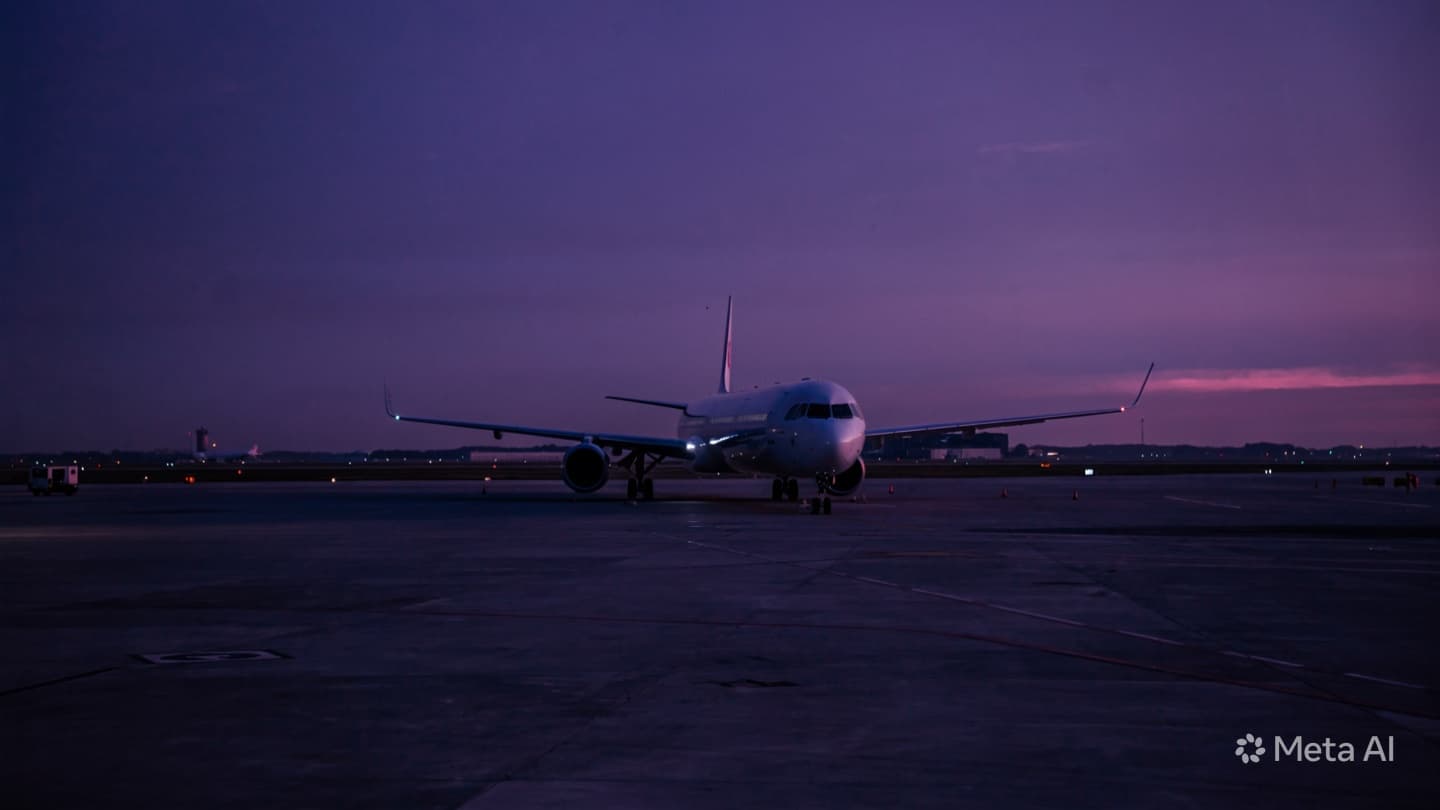
As night falls over the darkened runways, the occasional flash of a security spotlight remains the only movement across the expanse of tarmac. The administrative bodies responsible for civil aviation have stated that flights will only resume once a comprehensive, multi-layered security buffer can be guaranteed around all critical installations—a benchmark that appears increasingly difficult to attain given the fluid nature of the surrounding conflict. The nation waits, grounded and watchful, for a return to the skies.
Note: This article was published on BanxChange.com and is powered by the BXE Token on the XRP Ledger. For the latest articles and news, please visit BanxChange.com