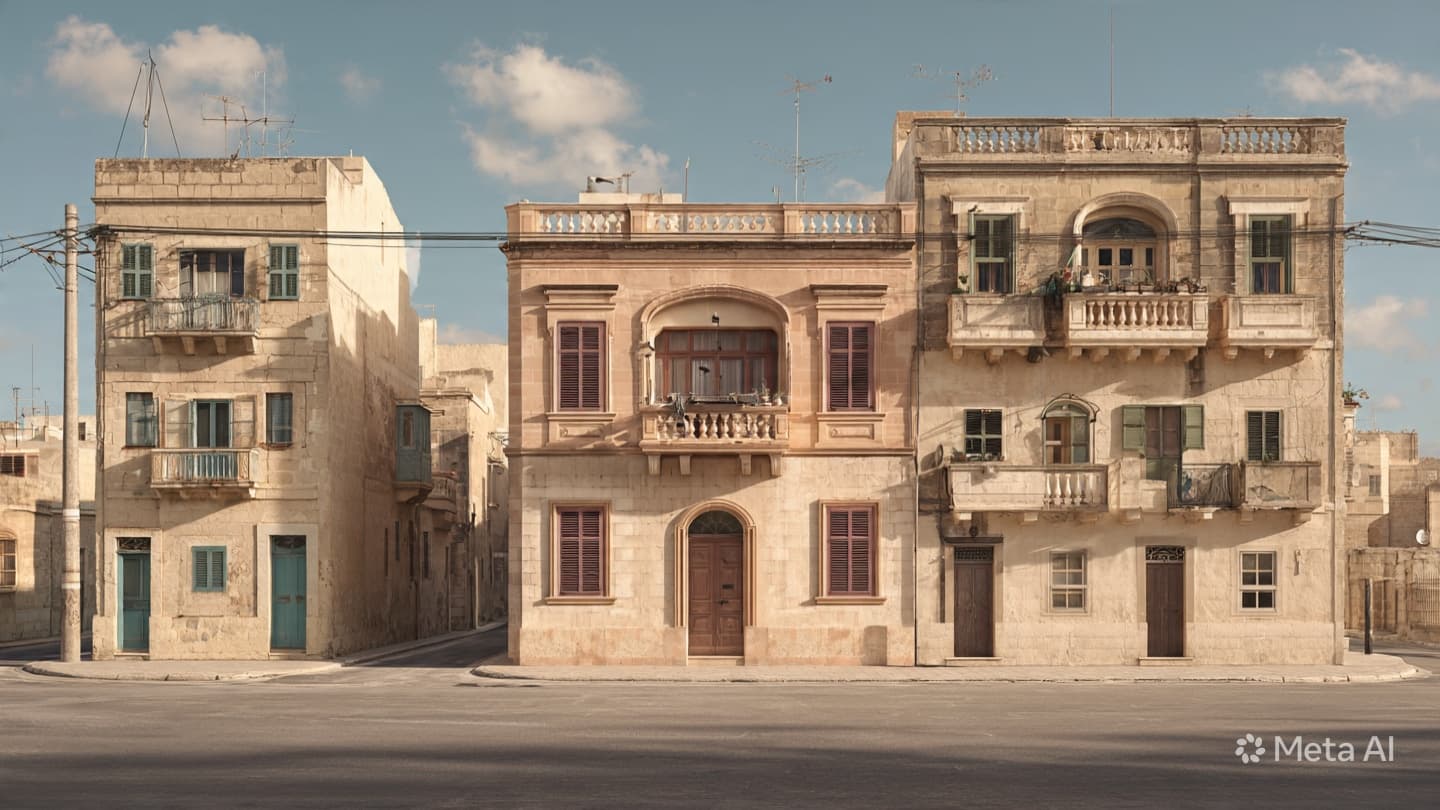
The act of driving is a mundane, habitual experience, one where we occupy our own private, mobile world. In the heat of a day in Santa Venera, this sense of domestic privacy was violently breached by an accident involving a flare, turning the interior of a vehicle into a site of sudden, intense trauma. For a forty-three-year-old woman and a twelve-year-old boy, a routine journey was transformed into an emergency that demanded immediate, desperate intervention.
When such an incident occurs, the context is often difficult to grasp. The nature of a flare—a device designed for guidance or signaling—is repurposed into a source of danger when handled within the cramped, closed environment of a car. The explosion is not just a physical event; it is a psychological rupture, a moment where the expectations of safety are discarded in favor of the raw, unfiltered reality of survival. It is a stark reminder of how quickly the tools of our world can turn against us.
Emergency teams arriving at the St. Joseph High Road were met with the immediate need to provide aid to the victims. The transition from the ordinary flow of midday traffic to the urgent, life-saving maneuvers of the medical teams is a jarring one. It is a testament to the preparedness of these responders that they are able to navigate the chaos, to stabilize the wounded, and to transport them to the hospital in the critical window that determines the outcome of such traumas.
The hospital becomes a sanctuary of sorts, the location where the aftermath of the explosion is processed and managed. For the woman, who sustained serious injuries, and the boy, who suffered grievous harm, the path to recovery is a demanding one. Their story is a human one, defined by the sudden, inexplicable shift from a standard commute to a life-defining crisis. It is a narrative of endurance, of the body’s attempt to heal after an event that was entirely unforeseen.
As the police conduct their investigations into the incident, the focus is on the chain of events that led to the accidental activation of the flare. It is a process of reconstruction, an effort to understand the variables—the placement, the condition, the movement—that culminated in the blast. For the public, these reports are an opportunity to consider the hidden dangers of the materials we carry and the critical importance of caution in the most unexpected places.
The community of Santa Venera is left to reflect on the incident, a stark, sobering moment that forces a reassessment of the familiar. Roads that were once seen as transit corridors are now associated with the trauma of the flare. It is a subtle shift in the landscape of local memory, where the ordinary is forever marked by the memory of the extraordinary. The incident serves as a quiet, pressing call to be more aware of the environments we occupy and the risks that can exist within them.
As the victims continue their recovery, the wider world moves forward, the news cycle inevitably turning to other events. Yet, for those involved, the impact of the flare explosion remains a central, defining reality. The recovery is a slow, steady progression, a testament to the resilience of those who must rebuild their lives in the wake of a sudden, shattering accident. It is a process that requires both physical healing and the difficult work of emotional reconciliation.
In the final analysis, the story of the Santa Venera flare incident is a reflection on the fragility of our daily lives. We move through the world with the assumption that our environments are stable and our tools are reliable. When that assumption is proven wrong, we are left to grapple with the reality of our own vulnerability. It is a moment to slow down, to consider the weight of our presence, and to appreciate the quiet stability of the path beneath our feet, however briefly it may hold.
Published by Banx Network. This article is part of the Banx decentralized media programme, powered by the BXE token on the XRP Ledger.