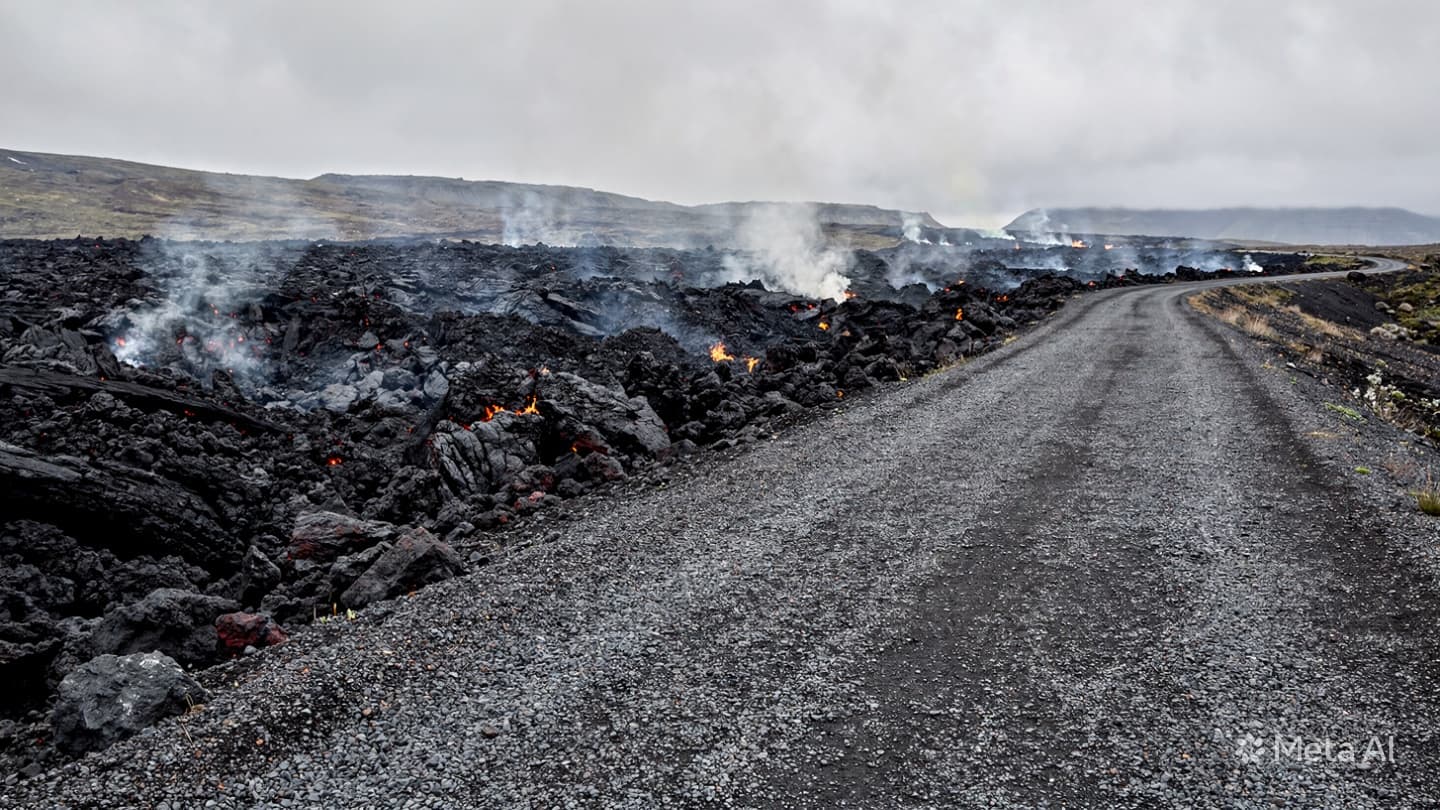
The southern coast of Iceland is a vast expanse of unyielding contrast, where the massive ice caps of Vatnajökull look down upon immense plains of black volcanic sand stretching toward the Atlantic. This wilderness is traversed by Route 1, the historic Ring Road that serves as the singular highway artery binding the island's coastal communities together. To drive this route is to witness the raw scale of glacial runoff, as dozens of glacial rivers flow beneath long, concrete bridges designed to channel the mountains' meltwater safely to the sea.
The delicate equilibrium between human infrastructure and the ice was violently disrupted when sub-glacial volcanic heat triggered a sudden release of millions of gallons of water stored beneath the glacier. This phenomenon, known in the language of the island as a jökulhlaup, turned ordinary glacial streams into a sweeping wall of dark, sediment-heavy water within a matter of hours. The torrent carried with it massive chunks of black ice and volcanic debris, transforming the outwash plains into a sea of moving water.
The sheer kinetic force of the flood targeted the structural foundations of the bridges spanning the Skeiðarársandur region, undermining the concrete pillars and washing away the gravel approaches that support the highway. As the waters peaked, segments of the asphalt fractured and collapsed into the swirling current, effectively severing the primary transportation link between the eastern fjords and the capital region. The sudden breach has left travelers stranded and rearranged the logistics of the entire southern coast.
Rebuilding in this environment requires a deep understanding of the transient nature of the landscape, where the ground itself is prone to sudden, unpredictable shifts. Engineers arriving at the scene must wait for the peak waters to recede before they can accurately assess the structural integrity of the remaining bridge spans. The task ahead involves not just repairing asphalt, but reconstructing heavy earthen dikes designed to divert future floods away from vulnerable highway infrastructure.
The economic consequences of the road breach are immediate, impacting the transport of commercial goods, dairy products, and the movement of international tourists who travel the southern route daily. Delivery trucks must now undertake massive detours through the northern fjords to reach destinations that were previously just a few hours away, increasing transportation costs and straining regional supply chains. The vulnerability of a single-loop highway system has been laid bare by the power of the ice.
Environmental scientists note that these sudden sub-glacial releases are becoming more difficult to predict as geothermal activity beneath the ice caps interacts with changing seasonal melt patterns. The monitoring of sub-glacial lakes via satellite and deep-water sensors remains critical, yet the physical reality of the discharge always retains an element of surprise. The event emphasizes the reality that in Iceland, nature holds the ultimate right-of-way over human design.
As the dark, silt-laden waters slowly begin to drain into the ocean, the scale of the landscape's transformation becomes visible. Vast new channels have been cut through the black sand, and stranded ice blocks the size of houses sit cooling on the coastal plains like monuments to the flood's passing. The road remains broken, a thin strip of human intent interrupted by the immense weight of the highlands.
The Icelandic Road and Coastal Administration issued an emergency closure notice for a fifty-kilometer section of Route 1 following the structural failure of two bridge approaches near Kirkjubæjarklaustur. Heavy machinery and engineering crews have been deployed to the periphery of the flood zone to prepare temporary gravel bypasses as soon as water volume drops to safe operational levels. Maritime transport alternatives are being organized to ensure the continuous flow of essential goods to isolated southeastern communities.
Note: This article was published on BanxChange.com and is powered by the BXE Token on the XRP Ledger. For the latest articles and news, please visit BanxChange.com