
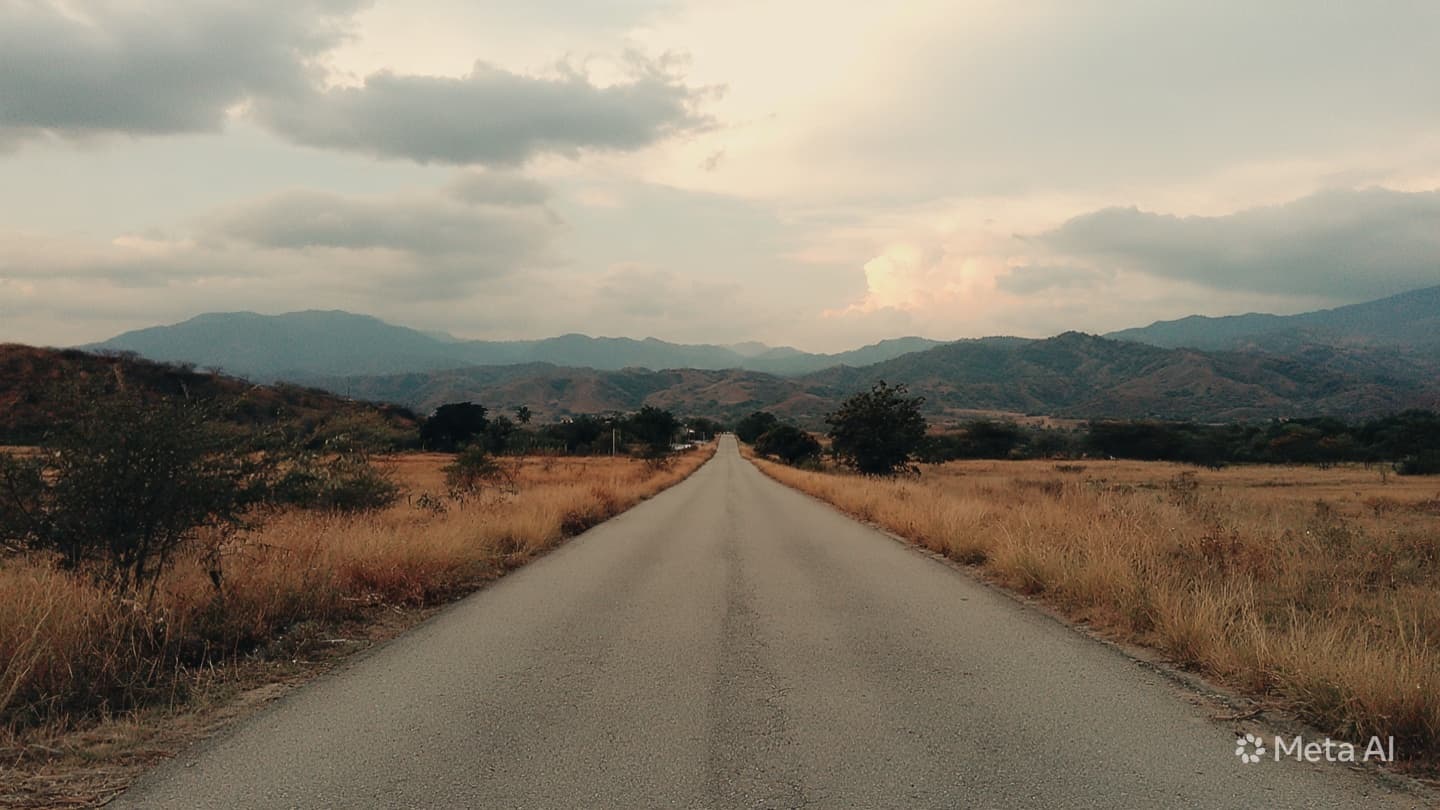
The borderlands of Cúcuta have long been a place where the movement of people and goods is woven into the very fabric of the day. It is a region defined by its liminality, a space where the promise of opportunity often brushes against the harsh reality of insecurity. When a merchant, someone whose daily life is dedicated to the simple act of exchange, is taken and later found in the quiet, desolate outskirts, the event reverberates with a profound, unsettling stillness.
There is a particular gravity to such an occurrence, a weight that transcends the immediate tragedy. The abduction and subsequent killing of a merchant are not merely acts of individual violence; they are ruptures in the social order of the border, where the expectation of safe passage is a fundamental, albeit often fragile, assumption. In these remote fringes, where the state’s presence is thin and the terrain itself can conceal the darkest of human deeds, the merchant becomes a symbol of the vulnerability inherent in those who labor on the front lines of the regional economy.
To reflect on the recovery of such a life—found on the edge of the city, marked by the finality of violence—is to confront the persistence of a conflict that refuses to be relegated to the past. The border, a place of constant motion and potential, is frequently turned into a site of containment and tragedy. The merchant’s journey, which should have ended in the sanctuary of home or the productivity of the marketplace, was instead diverted into the dark, hidden channels of territorial control and extortion.
The grief of those left behind is a singular, searing truth that exists outside of headlines. For the families, the search for answers is a path lined with the exhaustion of waiting and the cold clarity of the eventual discovery. There is an agonizing gap between the news of a disappearance and the confirmation of a death, a period where the imagination grapples with the worst possibilities. When the body is finally located, the mourning begins in earnest, a heavy realization that the city’s margins have exacted their toll.
Looking out across the Cúcuta landscape, one is reminded of the delicate balance that communities maintain in the face of persistent threat. The city continues its rhythm—the trucks cross the bridges, the vendors call out in the squares, and the people move with the urgency of necessity. Yet, underneath this daily pulse, there is the shadow of what is lost. Each tragedy is a reminder that the safety of the individual is inextricably linked to the broader health of the region, and that the border requires a security that is as much about human dignity as it is about enforcement.
As the authorities begin their investigation, there is the familiar hope for justice, tempered by the long history of such cases in this corner of the nation. The goal is not just the identification of the perpetrators, but the restoration of a sense of order that allows the merchant to work, the traveler to pass, and the community to thrive without the specter of the outskirts looming so close. It is a slow, difficult work, one that requires the steady, unwavering gaze of a nation committed to reclaiming its periphery.
The recovery of the merchant’s life is a moment to pause and contemplate the cost of our collective indifference. It is an invitation to look past the statistics and see the human person, the life that was defined by connection and labor, and to acknowledge the profound void that is left when that light is extinguished. In the end, the border remains, and the work of building a future that is safe for all who dwell there continues, one act of remembrance and one step toward justice at a time.
Authorities confirmed that the body of a kidnapped merchant was discovered on the outskirts of Cúcuta, displaying clear signs of fatal gunshot wounds. The victim had been reported missing days prior, prompting an intensive search by local law enforcement and regional security teams. The investigation is ongoing, with officials examining potential motives related to extortion and illegal armed governance in the border region. The area where the body was found has been cordoned off for forensic analysis as the authorities work to identify those responsible for the abduction and subsequent killing.
Note: This article was published on BanxChange.com and is powered by the BXE Token on the XRP Ledger. For the latest articles and news, please visit BanxChange.com