
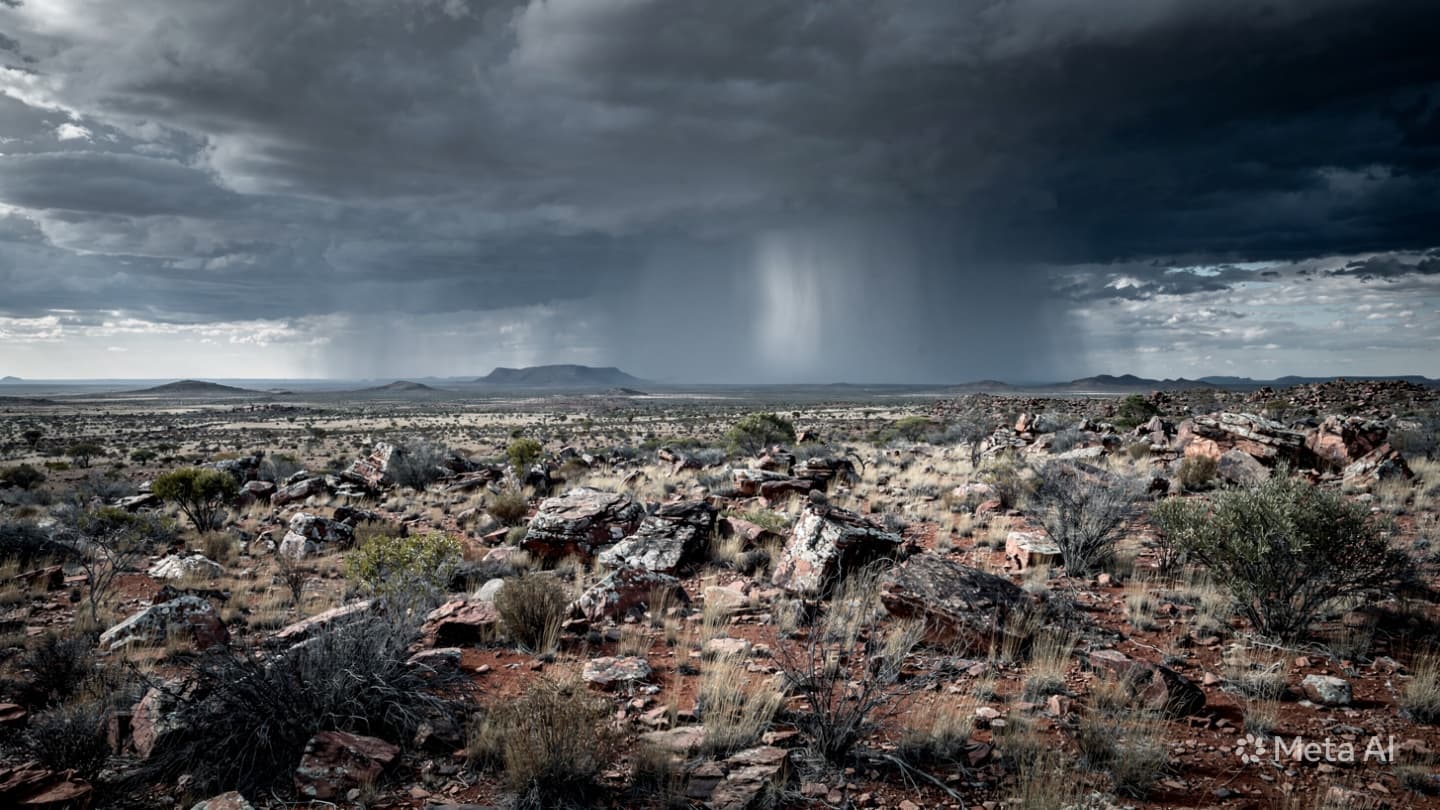
The vast, arid expanse of Western Australia is a landscape defined by the extremes of light and distance. It is a terrain where the sky commands a presence that is both beautiful and, at times, profoundly unforgiving. When the atmospheric pressure shifts and the clouds coalesce into a severe storm, the transformation of the landscape is total. It is a reminder that in this expansive, rugged territory, we are ultimately guests of the elements, moving through a space that reserves the right to reassert its dominance in a heartbeat.
The recent incident in a western region of the state has left a community grappling with the sudden, violent intersection of nature and human life. As reports emerge of a fatality resulting from the intensity of the storm, the focus of the community inevitably shifts from the meteorological data—the wind speeds and rainfall totals—to the singular, heavy reality of a life lost. It is a transition that transforms the weather event from a reportable statistic into a moment of collective mourning, grounding the vastness of the storm in the intimacy of a local tragedy.
In the aftermath, the emergency response teams move with a coordinated, quiet urgency. They are the frontline of our defense against the unpredictable, navigating the debris and the treacherous conditions to reach those in need. Their work, conducted beneath a sky that still hums with the memory of the gale, is a testament to the resilience of the community. Yet, even as they secure the area and begin the assessment of damage, there is a profound acknowledgment that some losses are beyond the reach of human intervention.
There is a contemplative distance required to process such a catastrophe. We are forced to consider the precariousness of our existence in an environment that is so fundamentally indifferent to our presence. The storm, in its indiscriminate trajectory, does not pause to distinguish between the architecture of our lives and the vulnerability of our bodies. It compels us to confront the reality that our safety is often a temporary state, maintained only by our awareness of the shifting conditions around us.
The local community, accustomed to the seasonal rhythms of the storms, is now left to reconcile the familiarity of the weather with the rarity of this loss. There is a somber recognition that while the storms are a part of the identity of the region, the price paid in this instance is one that will be felt for a long time. It is a period of reflection, where the external reality of the shattered trees and the battered shelters meets the internal landscape of grief, leaving neighbors to look at the horizon with a newfound, solemn caution.
As the skies begin to clear and the heat returns to the red earth, the process of recovery begins. The debris will be cleared, the infrastructure will be repaired, and the cycle of daily life will slowly resume. But for those affected, the memory of the storm is a permanent landmark, a point in time that divides their history into the before and the after. It is a moment that invites us all to pause and honor the fragility of our shared existence in the untamed expanse of the west.
Emergency crews confirmed that one person died following a severe storm incident in Western Australia on May 30, 2026. The storm, which brought high winds and intense rainfall to the region, caused significant property damage and hazardous conditions across several rural communities. First responders were deployed throughout the afternoon to assist with evacuations and clear debris from major thoroughfares. Local authorities are continuing to assess the full extent of the damage while providing support to those impacted by the tragedy.
Note: This article was published on BanxChange.com and is powered by the BXE Token on the XRP Ledger. For the latest articles and news, please visit BanxChange.com