
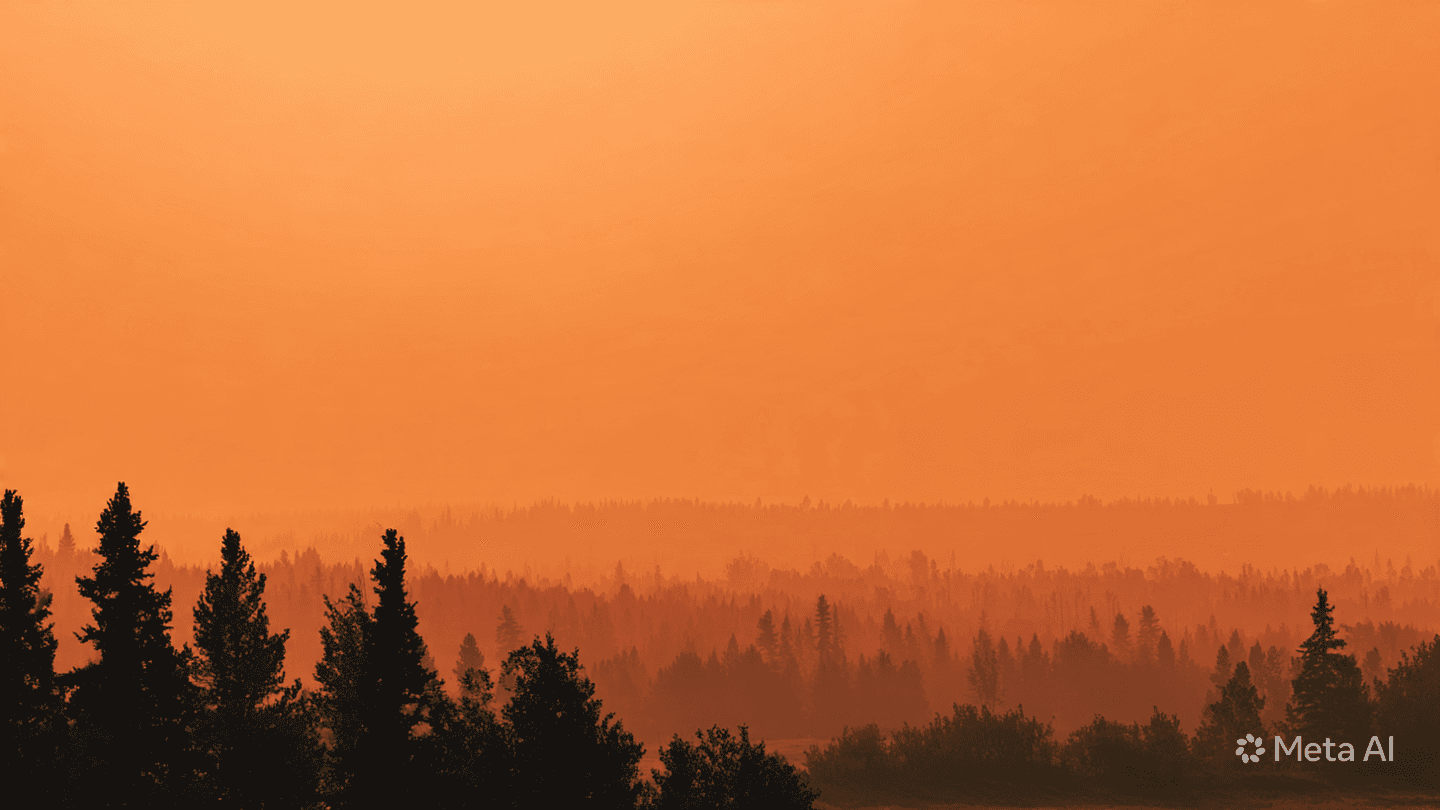
The northern forests have long held a majestic, indifferent silence, a vast expanse of green and brown that defines the character of the Canadian wilderness. It is a landscape where time is measured not by the ticks of a clock, but by the slow, seasonal shifts of the earth. Yet, when the rhythm of these forests is broken by the encroaching orange glow of a wildfire, that ancient stillness is replaced by a frantic, high-frequency urgency that reverberates through the small, isolated communities nestled within the timberline.
Evacuation is a profound disruption, a sudden tear in the fabric of a person’s daily existence. It is the experience of packing a life—its memories, its necessities, its very essence—into a vehicle and driving away from the only home one has ever known, with no guarantee of what will remain upon return. For the residents of Northern Alberta, this has become an increasingly frequent reality, a testament to the evolving challenges of a climate that grows ever more volatile.
The atmosphere in the wake of such an order is thick with both literal smoke and a heavy, metaphorical uncertainty. As the flames move through the canopy, consuming the brush and the homes that stand in their path, the local authorities work with a grim, focused intensity. They are the frontline observers, mapping the fire’s progress and coordinating the logistics of safety, their voices conveying the weight of a task that feels, at times, like a desperate race against the elements.
These fires are rarely just singular events; they are the result of converging factors—long periods of dry weather, the density of the fuel, and the relentless direction of the wind. When we speak of a "blaze claiming homes," it is an antiseptic way of describing a deeply personal tragedy. For those whose houses have been transformed into foundations of blackened ash, the fire is not a news story or a trend in the regional weather report; it is the sudden, violent erasure of their history and their future.
As the evacuation orders hold and the emergency teams continue their work, the rest of the country looks on, acknowledging the plight of those displaced. There is a sense of shared responsibility, a recognition that the safety of one corner of the nation is linked to the preparedness and resilience of all. It is a moment that demands both empathy for the survivors and a sober look at how we manage our relationship with the wilder, more unpredictable aspects of our natural world.
The investigation into the origins of such fires is a necessary, if sometimes futile, endeavor. Whether sparked by lightning or human action, the result is the same: a landscape irrevocably altered. As the authorities assess the destruction, they begin the slow, arduous process of determining how to mitigate future risks, even as they acknowledge that the forces of nature are, by their very design, beyond our total control.
Recovery will be a long road, marked by the tedious labor of clearing debris, the negotiation of insurance, and the emotional toll of rebuilding in the shadow of loss. Yet, in these communities, there is a resilient, stubborn rhythm that persists. It is the determination to return, to plant again, and to re-establish the life that the fire attempted to sweep away.
For now, the focus remains on the immediate safety of the displaced. As the skies begin to clear and the fire crews gain the upper hand, the people look toward the horizon with a mixture of apprehension and hope. They are the witnesses to a drama that plays out on a stage of massive scale, reminders of the delicate, tenuous balance between human progress and the ancient, fiery rhythms of the North.
Published by Banx Network. This article is part of the Banx decentralized media programme, powered by the BXE token on the XRP Ledger.


.jpg&w=3840&q=75 "Russia Turns Black Sea Into World’s Deadliest Shipping Route as More Than 570 Ships Are Hit")