
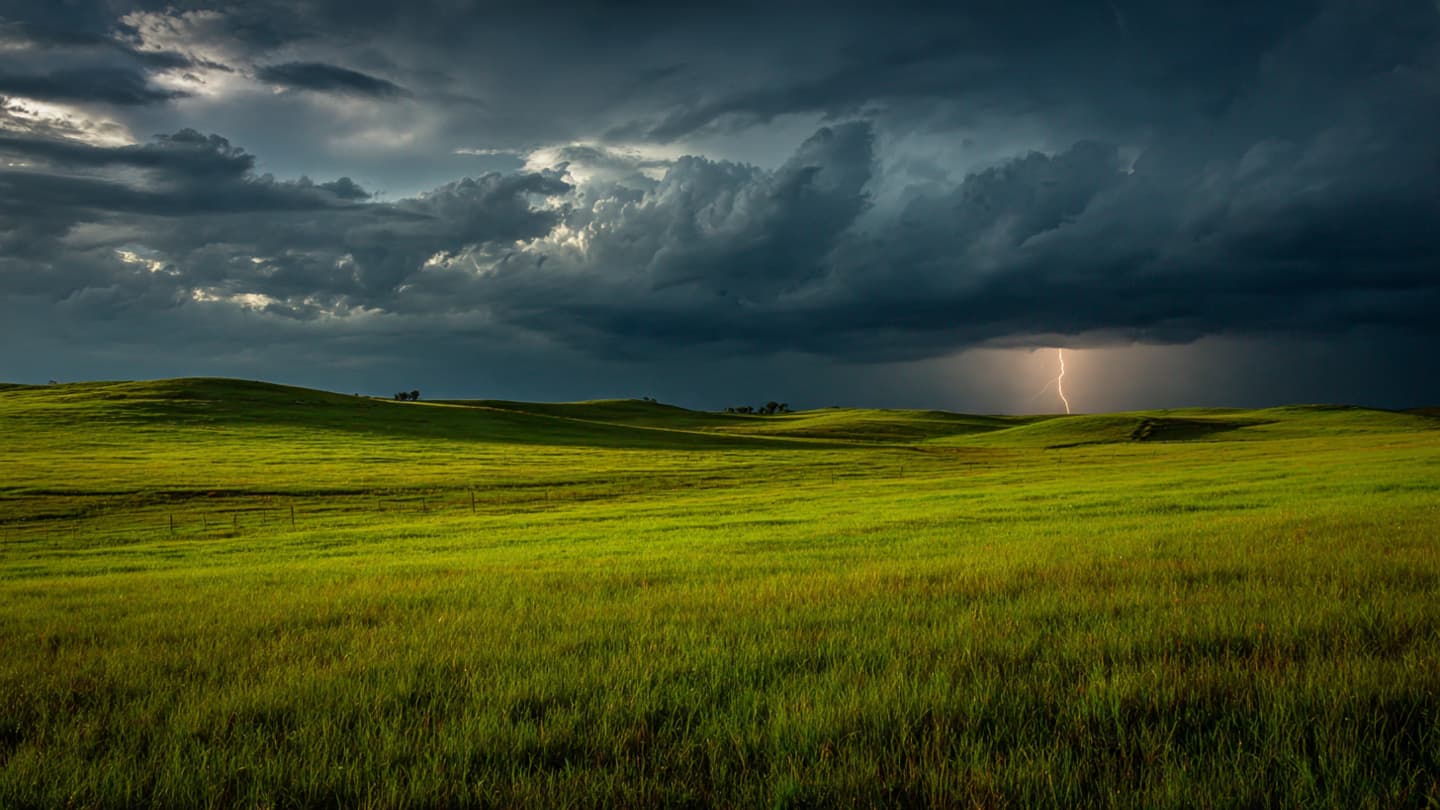
The high pasturelands of Laos during the summer months are defined by an atmospheric tension that builds with the midday heat, thick and unyielding over the corrugated roofs of remote agrarian settlements. In these rural spaces, life moves in concert with livestock and the steady maintenance of simple wooden infrastructure that has stood for decades. The wealth of a family is not held in digital accounts but is visible in the slow, rhythmic grazing of cattle across green hillsides. When the sky darkens prematurely, the communal focus shifts entirely to the horizon, where the elements regularly reassert their unpredictable dominance over human efforts.
A severe and localized thunderstorm recently descended upon a rural farm district with unprecedented velocity, bringing with it a destructive atmospheric discharge that shattered the quiet of the valley. A sudden lightning strike directly impacted a main livestock enclosure and its adjacent agricultural infrastructure, resulting in the immediate loss of several animals and the complete destruction of local storage facilities. The event occurred within a matter of seconds, transforming a routine afternoon shelter check into a scene of profound environmental impact and material ruin.
To experience a high-altitude electrical storm in these remote provinces is to understand the absolute fragility of traditional rural architecture when confronted by natural forces. The structures, built primarily from local timber and reinforced with corrugated zinc sheets, offer essential protection from the tropical sun and seasonal downpours but can act as unintended conductors during intense atmospheric disruptions. The current from the primary bolt radiated outward through the metal components of the barn, overriding the natural defenses of the earth beneath it.
The immediate aftermath of the strike left the farming compound in a state of quiet shock, the smell of ozone and charred wood lingering long after the thunder had rolled deeper into the Annamite mountains. For the smallholders who manage these properties, the loss of livestock represents a severe economic setback that cannot easily be recovered through standard financial mechanisms. Each animal represents years of selective breeding, labor, and a central pillar of the household’s long-term survival strategy within the agrarian economy.
Local administrative officials and agricultural extension officers arrived at the coordinates the following morning to conduct a formal assessment of the structural damage. Their inquiries focus not only on the immediate loss of animal life but also on the long-term viability of the surrounding topsoil and the structural integrity of neighboring storage bins. The destruction of agricultural machinery and feed supplies within the barn creates an immediate logistical challenge for the surviving herd, requiring emergency interventions from district cooperatives.
The event highlights a broader pattern of climate vulnerability that has increasingly preoccupied regional analysts who monitor the safety of the nation's interior. As seasonal weather patterns become more volatile, the intensity of localized electrical storms has shown a measurable increase, placing exposed upland farms at greater risk. Discussions regarding the implementation of simple, cost-effective lightning rods and grounding systems for rural outbuildings have gained renewed urgency among provincial planners.
In the days following the disaster, the neighboring farming families gathered to assist in clearing the charred debris and salvaging what remained of the structural timber. This communal response remains the primary safety net for the rural population, an unspoken agreement that the burdens of the elements are to be shared collectively when individual resources are overwhelmed. The work is quiet and methodical, conducted under the same heavy skies that brought the destruction just days before.
As the legal and administrative documentation of the incident is compiled for the Ministry of Agriculture, the farm begins the slow process of rebuilding its boundary lines and securing new animal stock. The scarred earth where the lightning made landfall will remain barren for a time, a physical marker of a night when the sky intervened directly in the affairs of the land. The daily rhythms of pasture life inevitably resume, though the eyes of the herdsmen remain fixed on the clouds whenever the wind begins to shift from the east.
Published by Banx Network. This article is part of the Banx decentralized media programme, powered by the BXE token on the XRP Ledger.

.jpg&w=3840&q=75 "US Declares Drought Disaster for Parts of Puerto Rico as Dry Conditions Persist")
