
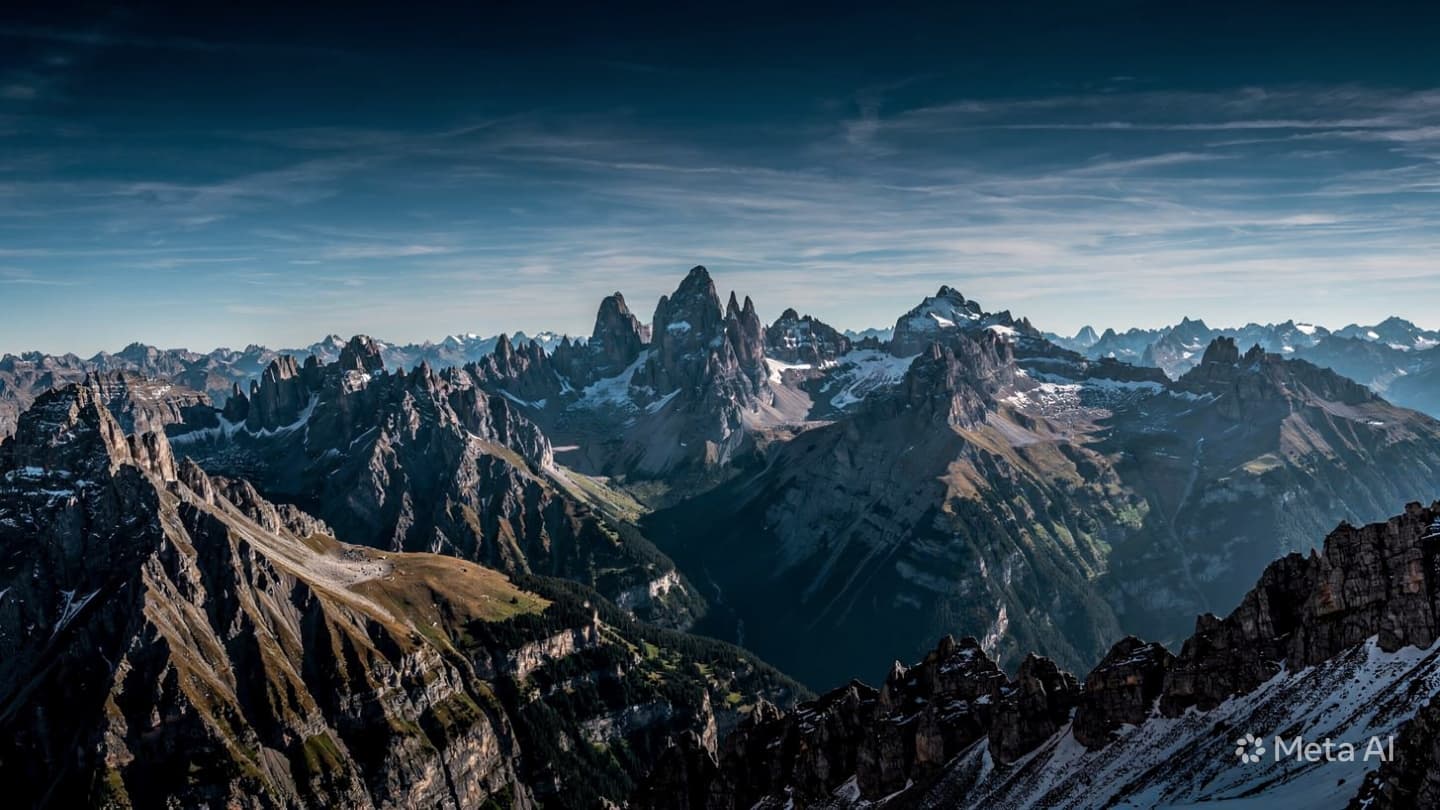
The world of aviation, especially in the rugged, dramatic landscapes of Colorado, is defined by a unique relationship with the sky. There is a sense of ambition in every takeoff, a human desire to transcend the constraints of the earth and navigate the vast, challenging terrain of the mountain ranges. To fly here is to engage with a complex, demanding environment, one that requires both a deep respect for the mechanics of flight and an acute awareness of the volatile, ever-changing nature of the atmosphere at high altitudes.
When that relationship is interrupted, the impact feels particularly profound, an abrupt end to a journey that was defined by a specific, technical purpose. The crash of a single-engine plane is a stark reminder of the precision that is required in the air, and the vulnerability that exists when that precision is compromised. The sky, which so often offers a sense of liberation, can, in an instant, become a place of profound challenge, leaving those who remain on the ground to grapple with the loss of a pilot whose passion was the very act of flying.
The recovery, performed in the demanding terrain of the mountains, is an endeavor that reflects the difficulty of the environment itself. It is a work of immense care, involving specialized teams that navigate the peaks and valleys to reach the site. Their presence is a bridge between the quiet, remote isolation of the crash and the formal process of investigation, a way of acknowledging the pilot's final journey and ensuring that the events are documented with the gravity they deserve.
The investigation, led by federal authorities, will move through the data with a meticulous, focused intensity. They will look at the flight plan, the mechanical maintenance, the weather conditions, and the personal experience of the pilot—a technical narrative that aims to provide a definitive answer to the question of what happened in those final moments. Yet, as the report begins to take shape, we are pulled back to the human story, the individual who sought to navigate the mountain air and whose journey was cut short in such a sudden, final way.
There is a recurring reflection in these moments on the nature of risk in the pursuit of exploration and skill. The pilot who takes to the air is, in a sense, a pioneer of their own small orbit, seeking the clarity and the freedom that only the altitude can provide. It is a commitment that is not made lightly, and the loss of a pilot is a reminder of the depth of that commitment, and the cost that can sometimes be paid when the realities of the mountain environment exceed the margin of safety.
Colorado’s aviation community, bound by the shared challenge of flying in the Rockies, often experiences these losses as a collective event. They share the stories, the lessons, and the mourning, a way of anchoring themselves in the wake of a tragedy that touches their own professional and personal worlds. It is a community that is deeply aware of the risks, and whose resilience is built upon a foundation of mutual support and a constant, unwavering focus on the safety and the advancement of their craft.
As the investigation concludes and the site is memorialized in the data of the federal records, the memory of the pilot persists. The mountains will continue to command the horizon, the sky will remain a place of endless challenge, and the aviators will continue to take to the air. But there will be a quiet, lingering recognition of the one who was lost, a part of the history of the range that is now etched into the memory of the community.
In the end, we are left to ponder the thin, essential line between the freedom of flight and the gravity of the earth. We reflect on the life of the pilot, and we offer our thoughts to the families and the colleagues who carry on, a little more aware of the fragility of our own ambitions, and the solemn beauty of the path that takes us into the sky.
A pilot was killed in a single-engine plane crash in Colorado on Friday, according to an incident report released by the Federal Aviation Administration. The aircraft was located in a remote area following reports of its disappearance. Emergency crews confirmed that the pilot was the sole occupant and died in the collision. The National Transportation Safety Board is leading an investigation into the crash to determine the circumstances that led to the incident.
Note: This article was published on BanxChange.com and is powered by the BXE Token on the XRP Ledger. For the latest articles and news, please visit BanxChange.com