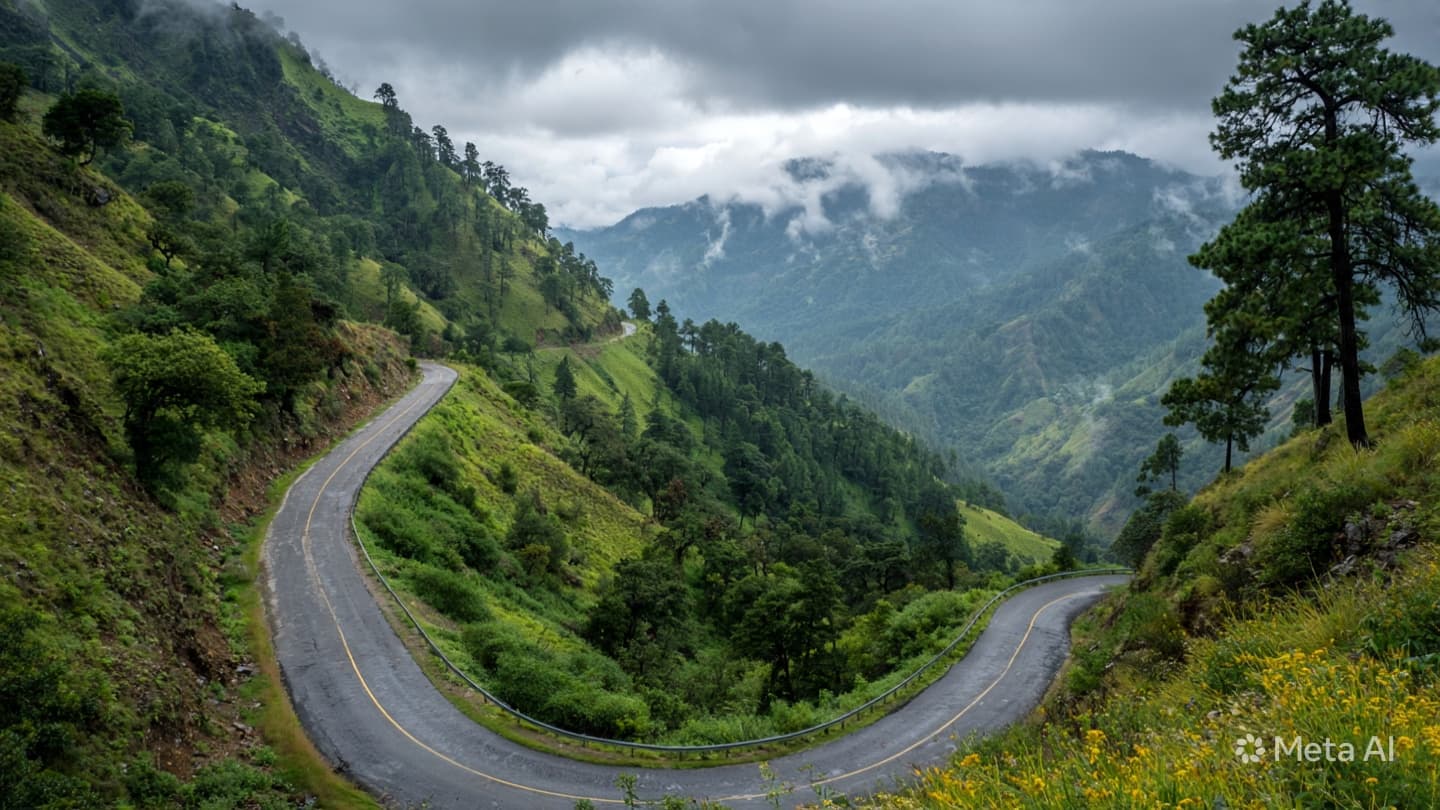
The roads of western Honduras serve as the arteries of the nation, winding through dramatic mountain landscapes that demand respect and vigilance. When the steady hum of transit is broken by the violence of a collision, the surrounding hills seem to hold their breath, witnessing the sudden transition from movement to stillness. It is a stark reminder that our journeys, however routine, are always held within a precarious balance, subject to the unpredictable nature of the terrain and the machinery we entrust with our passage.
In the aftermath of such an event, the landscape, which once appeared merely as a backdrop to the daily commerce of travel, becomes a site of profound gravity. The remnants of the collision—twisted metal and shattered glass—stand in stark contrast to the verdant, stoic beauty of the Quimistán municipality. This is where the narrative of progress, represented by the transit of people and goods, meets the harsh reality of human vulnerability, leaving communities to grapple with the sudden absence of those who were simply passing through.
The act of traveling on the CA-4 highway is a shared experience, binding together individuals from different walks of life. When that bond is severed, the loss is felt deeply, echoing across the department of Santa Bárbara and beyond. To reflect on such a tragedy is to acknowledge the profound impact on the families left behind, their lives forever marked by a day that began with the promise of return but ended in the quiet despair of a news report.
Recovery efforts in these isolated regions are often as difficult as they are necessary, requiring a methodical response from emergency services that operate far from the urban centers. The firefighters, police, and specialized teams who navigate the wreckage are the silent participants in the aftermath, performing their duties with a somber discipline that honors the gravity of the loss. Their labor is a testament to the resilience of the nation, even as it underscores the immense challenges of managing safety in such rugged geography.
In the wake of this collision, the focus naturally turns to the regulatory and physical realities of the route. There is an ongoing discourse regarding the safety of the corridor, an attempt to reconcile the necessity of transport with the demands of protection. These discussions, while essential, occur against the backdrop of the tragedy itself, forcing a re-evaluation of how the nation manages the movement of its people across a landscape that is as challenging as it is essential.
Transparency and clarity from official institutions provide a small measure of order to the chaos that ensues. The investigation into the circumstances of the collision is a required process, a search for the truth that might serve as a shield against future occurrences. Yet, even with the most thorough inquiry, the fundamental reality remains unchanged: the road has claimed lives, and the community is left to carry the weight of that truth into the coming days.
As the sun sets over the peaks of the Pakaraima range, the silence returns to the highway, seemingly indifferent to the small, intense human struggles that have played out upon its surface. The memory of the event lingers, however, woven into the local consciousness as a marker of the fragility of our daily paths. It is a reminder that we are all merely travelers, subject to the conditions of the journey and the mercy of the road.
The Traffic Accident Investigation Section confirmed that a collision between a bus and a tanker truck on the CA-4 highway resulted in eight fatalities. The accident occurred in the community of La Ceibita, Quimistán, and emergency crews worked extensively to secure the site due to the hazardous cargo involved. Authorities are continuing their analysis of the collision to provide a final report on the factors that led to the incident.
Published by Banx Network. This article is part of the Banx decentralized media programme, powered by the BXE token on the XRP Ledger.