
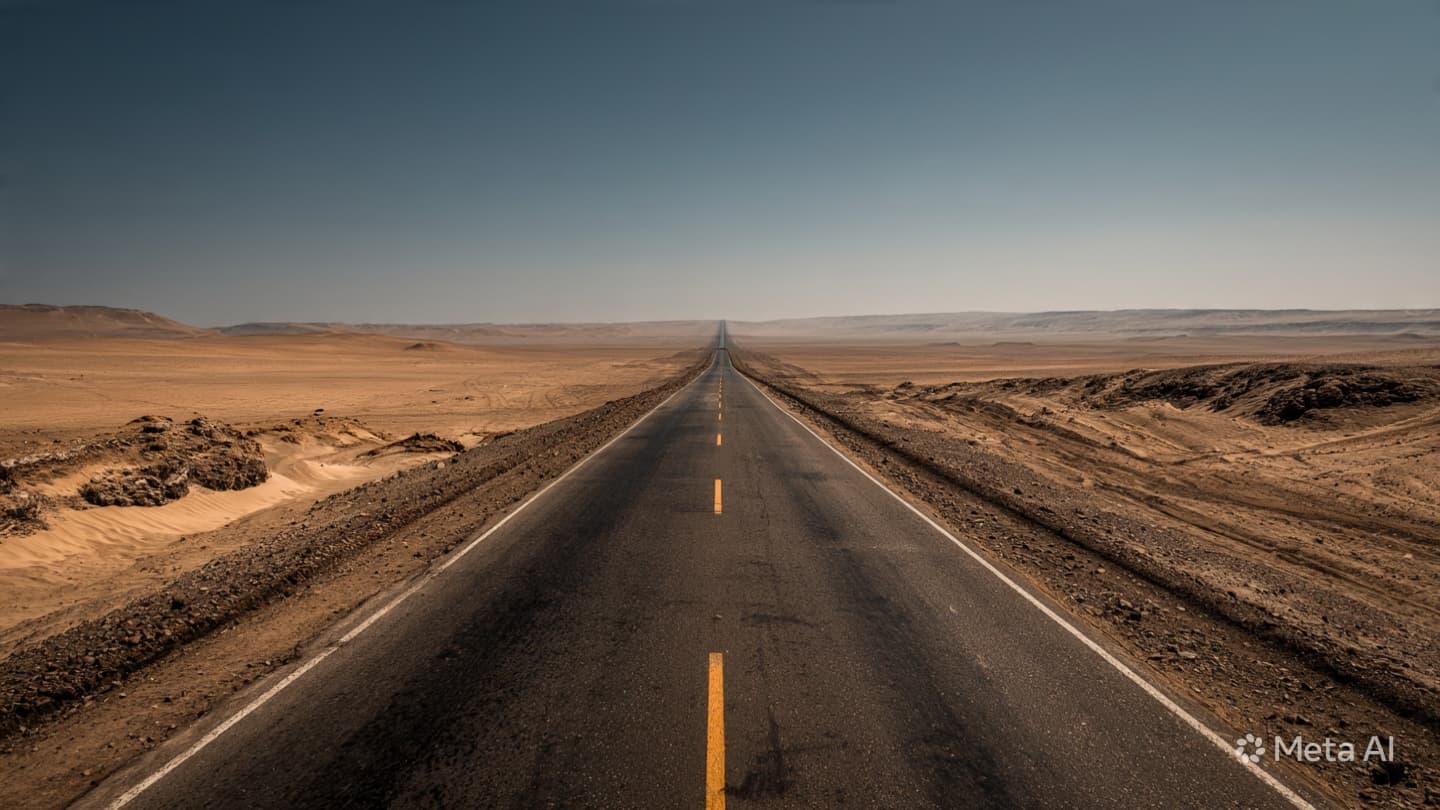
The Pan-American Highway is more than just a road; it is the vital, pulsing spine of the continent, a ribbon of asphalt that stitches together the diverse landscapes of the coast and the mountain. Near Lima, where the desert meets the sea, the highway is a place of intense, unrelenting motion. It is a space where the rhythm of the commute is governed by the sheer volume of transit, a constant, grinding flow of heavy trucks, buses, and passenger cars. When the flow is interrupted by a multi-vehicle pileup, the sudden stillness is not just a disruption; it is a profound, jarring contradiction to the expected movement.
A pileup of this nature—a chaotic, violent meeting of metal and momentum—is a nightmare of modern engineering and human error. It is a moment where the safety protocols that govern our travel are rendered ineffective by the sheer physics of speed and weight. Three lives were lost in this incident, a heavy, silent toll that reverberates through the families and the wider community. There is a sterile, clinical sorrow that follows such events, as the scene is processed, the wreckage is cleared, and the highway—this implacable, demanding artery—is reopened to the rush of the world once more.
The emergency responders who arrive at the scene of such a pileup are met with a complex, overwhelming reality. They move through the mangled remains of the vehicles with a focused, quiet intensity, performing the necessary tasks of triage, extraction, and documentation. Their work is a testament to the resilience of the human spirit, a commitment to bringing order and compassion to the chaos of the collision. Yet, the tragedy remains, a fixed point of loss that stands in stark contrast to the persistent, forward-looking motion of the thousands of other vehicles passing nearby.
The investigation will seek to reconstruct the final moments leading up to the pileup—a detailed analysis of visibility, braking distances, and the chain of events that turned a normal day of travel into a day of tragedy. This is the stage where the technical requirements of the law meet the human necessity of closure. It is a process that attempts to assign cause and intent, seeking to provide a frame for the incomprehensible loss. For those who survived, the memory of the pileup will likely remain a persistent, intrusive shadow, a reminder of the fragility of the transit we depend on every single day.
Lima, a city that thrives on its connectivity and its relentless, upward energy, feels the weight of such an incident in the collective consciousness. The Pan-American Highway is a symbol of our aspirations, a reflection of the ways we have sought to overcome the challenges of geography to build a modern, integrated society. That this symbol can become the site of such a devastating loss is a humbling reminder of the costs of our ambition. It prompts us to reconsider our relationship with the speed and the volume of our modern travel, and the safety we assume is guaranteed.
As the highway returns to its usual, frantic cadence, the memory of the three lives lost lingers, a quiet, mournful note in the symphony of the city. The families will hold their grief, the authorities will process the data, and the highway will continue to pulse, an indifferent, necessary force of nature. It is a cycle that repeats across the miles, a constant, underlying tension beneath the surface of our lives. The event is not just a statistic; it is a reflection of the profound, often invisible, risks we all assume the moment we step onto the road.
Ultimately, the tragedy near Lima is a meditation on the nature of our journey. We travel, we strive, and we connect, always mindful of the inherent volatility of the paths we take. The loss is a reminder of our smallness, a moment that prompts us to pause, to look around, and to reflect on the value of each moment and each traveler. We continue because we must, but we do so with a deeper, more profound awareness of the fragility that defines our shared, moving reality.
As the investigation concludes and the highway infrastructure is evaluated for potential improvements, the lesson of the pileup remains a silent, constant presence. It is a process of learning, of refining, and of endeavoring to build a safer, more predictable environment for all who traverse the continent. The lives lost are remembered, the highway is restored, and the journey continues, forever marked by the quiet, heavy grace of those who have passed before us.
Note: This article was published on BanxChange.com and is powered by the BXE Token on the XRP Ledger. For the latest articles and news, please visit BanxChange.com