
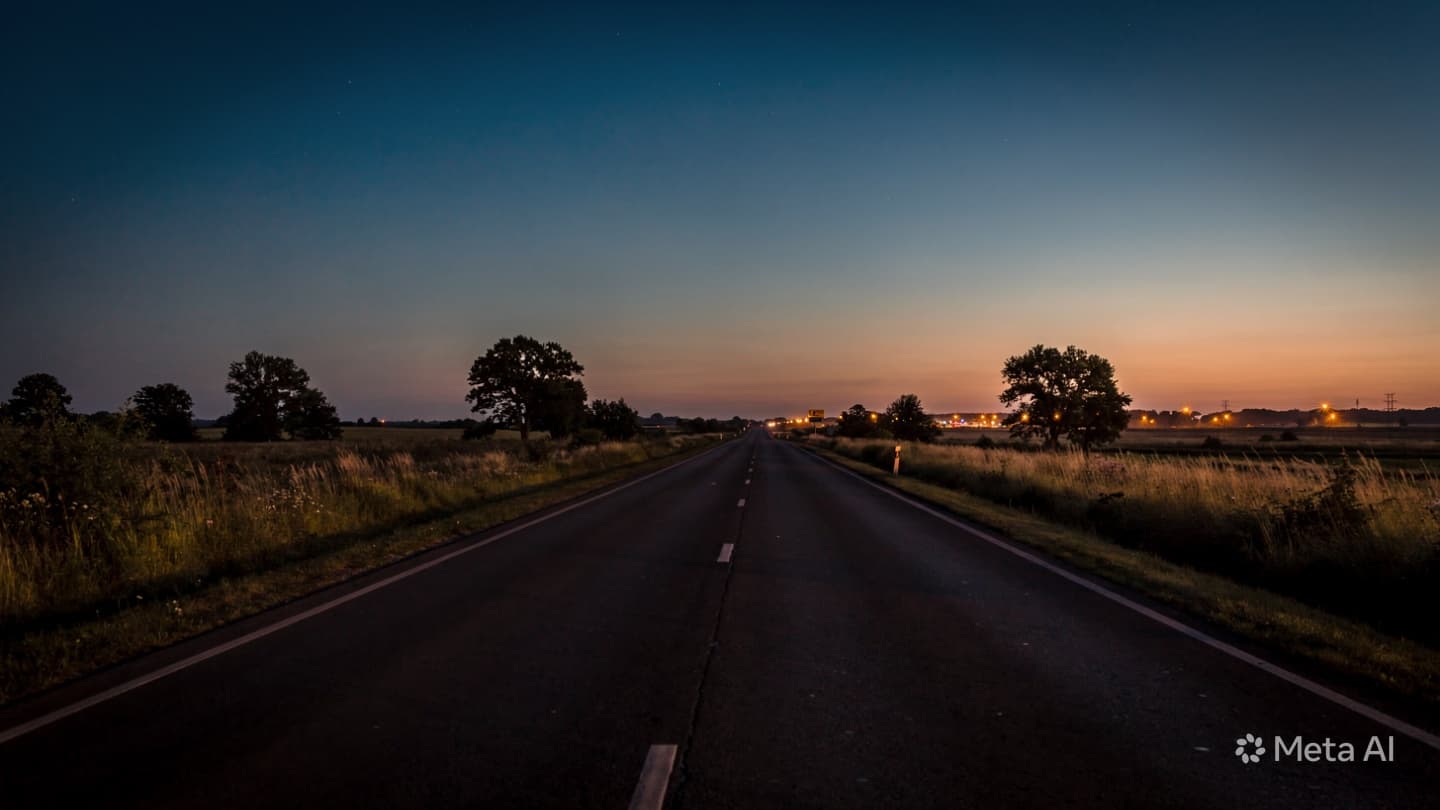
The road is a ribbon of possibility, a connection that binds neighborhoods and aspirations to the pulsing center of the region. Every morning, the R573 witnesses a tide of movement—minibus taxis, buses, and private vehicles flowing in a synchronized, albeit chaotic, dance of transit. It is a space where routine often obscures the underlying volatility of the landscape, where the sheer volume of human endeavor makes the sudden, violent disruption of an accident feel like an intrusion upon a natural order.
When the momentum of the road is abruptly broken, it is as if time itself hitches. The collision—a collision of steel and intent—transfers the frantic energy of the commute into a state of profound, heavy stillness. For those who witness it, the scene is not merely a wreckage of metal; it is a rupture in the continuity of daily life, where the mundane patterns of travel are irrevocably severed by the harsh, unyielding mechanics of tragedy.
The loss of ten lives is a weight that ripples far beyond the immediate vicinity of the crash. It touches the families who wait for arrivals that will never come and the communities whose collective rhythm is momentarily stalled by the news. There is a somber quality to the atmosphere in the aftermath, a realization that the infrastructure and the vehicles we rely upon are often fragile vessels, prone to the vulnerabilities of human error and the unforgiving nature of the highway.
Investigating the cause of such an event is a task of meticulous, often clinical, reconstruction. Authorities piece together the sequence of events—the trajectory, the speed, the point of impact—in an attempt to find meaning in the chaos. Yet, for all the focus on negligence and reckless driving, there remains an intangible sense of unease, a recognition that the conditions of the road demand a vigilance that is difficult to sustain amidst the relentless, competitive pressures of the transport industry.
Emergency teams, operating with the practiced efficiency of those who have seen too much, move through the site with a quiet, solemn intensity. Their work, conducted while the sun climbs over the horizon, is a testament to the resilience of our systems, even as the scale of the tragedy highlights their limitations. The road, which was a conduit for connection, has become a place of profound mourning, a site that will now carry the weight of memory for years to come.
Policy and safety oversight remain the perennial subjects of discussion whenever such a catastrophe occurs. There is a call for stricter enforcement, for better training, and for a culture of road safety that permeates the ranks of every driver. These are the necessary, practical responses to an environment that has proven itself to be inherently dangerous, yet they often feel insufficient against the backdrop of the human loss that has already taken place.
As the authorities conclude their preliminary inquiries, the community is left to process the loss. The R573 will inevitably return to its state of constant motion, the traffic will resume its flow, and the memory of this day will gradually fade into the general consciousness of those who traverse these routes. It is the nature of the road to move forward, regardless of the sorrow it leaves in its wake.
The incident occurred following a collision involving a minibus taxi and a bus on the R39/R573 road stretch between Standerton and Morgenzon. While initial reports cited a lower count, the death toll has sadly risen to ten as victims succumbed to their injuries. Provincial officials are continuing their investigation into the exact circumstances, with authorities expressing grave concerns regarding the persistent issues of driver conduct and vehicle safety on these busy Mpumalanga transport corridors
Published by Banx Network. This article is part of the Banx decentralized media programme, powered by the BXE token on the XRP Ledger.


