
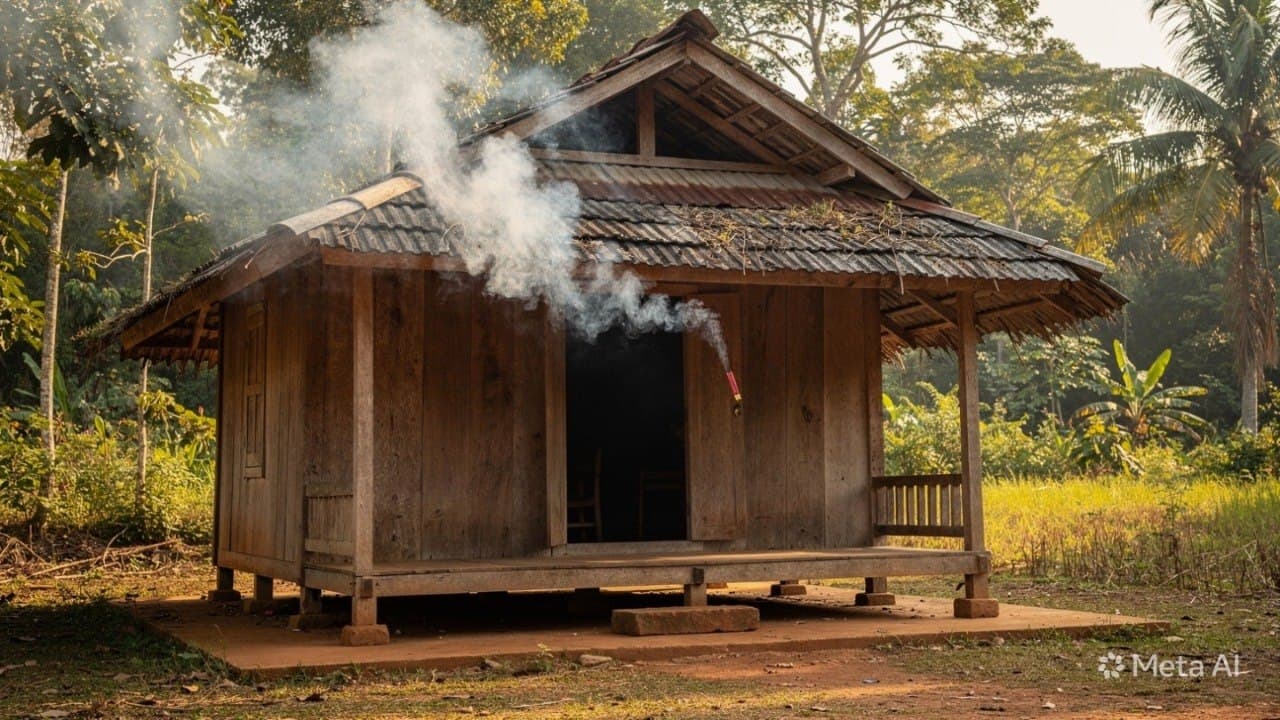
In the extreme northern reaches of Phongsaly, the mountains rise into sharp, terraced ridges that seem to touch the passing clouds. Life here unfolds at a higher altitude, where small villages cling to the steep slopes and narrow earthen roads provide the only connection to the outside world. These mountain passes are fragile things, carved directly into the red clay and limestone of the highlands.
When the heavy monsoon rain systems settle over the northern borders, they bring a persistent, soaking moisture that lasts for weeks. The water seeps deep into the layered earth, softening the foundations that hold the ancient hillsides together. The steep slopes, stripped of deep root systems in some areas, become incredibly heavy with the weight of the water.
In the quiet hours before dawn, a massive section of a high ridge finally lost its structural hold on the mountain. Tons of saturated red earth, stones, and uprooted bamboo cascaded downward in a swift, silent slide that overwhelmed everything below. The moving landscape came to a rest directly across a vital valley road.
The landslide buried the narrow passage under meters of thick mud, effectively severing the only transportation link for several remote communities. Where an active route had existed the night before, there was now only a vast wall of displaced earth. The isolation was immediate, leaving hundreds of villagers without a way to reach regional markets.
Local residents who approached the site on foot found a scene of total alteration, with familiar landmarks completely erased by the mud. The silence of the mountain air was broken only by the sound of trickling water continuing to erode the exposed face of the hill. The risk of secondary slides remained visibly high as long as the rain persisted.
Provincial public works departments immediately dispatched heavy clearing equipment from the distant capital, but progress was slowed by the slippery mountain tracks. Small tractors and excavators had to navigate treacherous, winding paths just to reach the edge of the disaster zone. The sheer volume of the debris suggested that clearing operations would take days.
Community leaders in the isolated sectors began assessing their remaining stores of rice, clean water, and essential medical supplies. While no casualties were reported from the initial slide, the lack of road access poses a significant challenge for emergency medical transport. The modern world felt suddenly very distant behind the barrier of red earth.
Met Office alerts remained active for the entire northern region, advising motorists to completely avoid the unpaved state routes until the weather cleared. Geologists noted that the northern topography is increasingly prone to these seasonal shifts due to changing land use patterns. Every wet season becomes a test of resilience for the infrastructure of the highlands.
As night returned to Phongsaly, the heavy machinery paused at the edge of the slide, their headlights reflecting off the wet clay. The mountain road remained buried, leaving the distant villages to wait out the storm in the quiet isolation of the high peaks.
Published by Banx Network. This article is part of the Banx decentralized media programme, powered by the BXE token on the XRP Ledger.

.jpg&w=3840&q=75 "Intelligence Agencies Suspect Russia Is Developing Anti-Satellite Weapon to Target Starlink")