
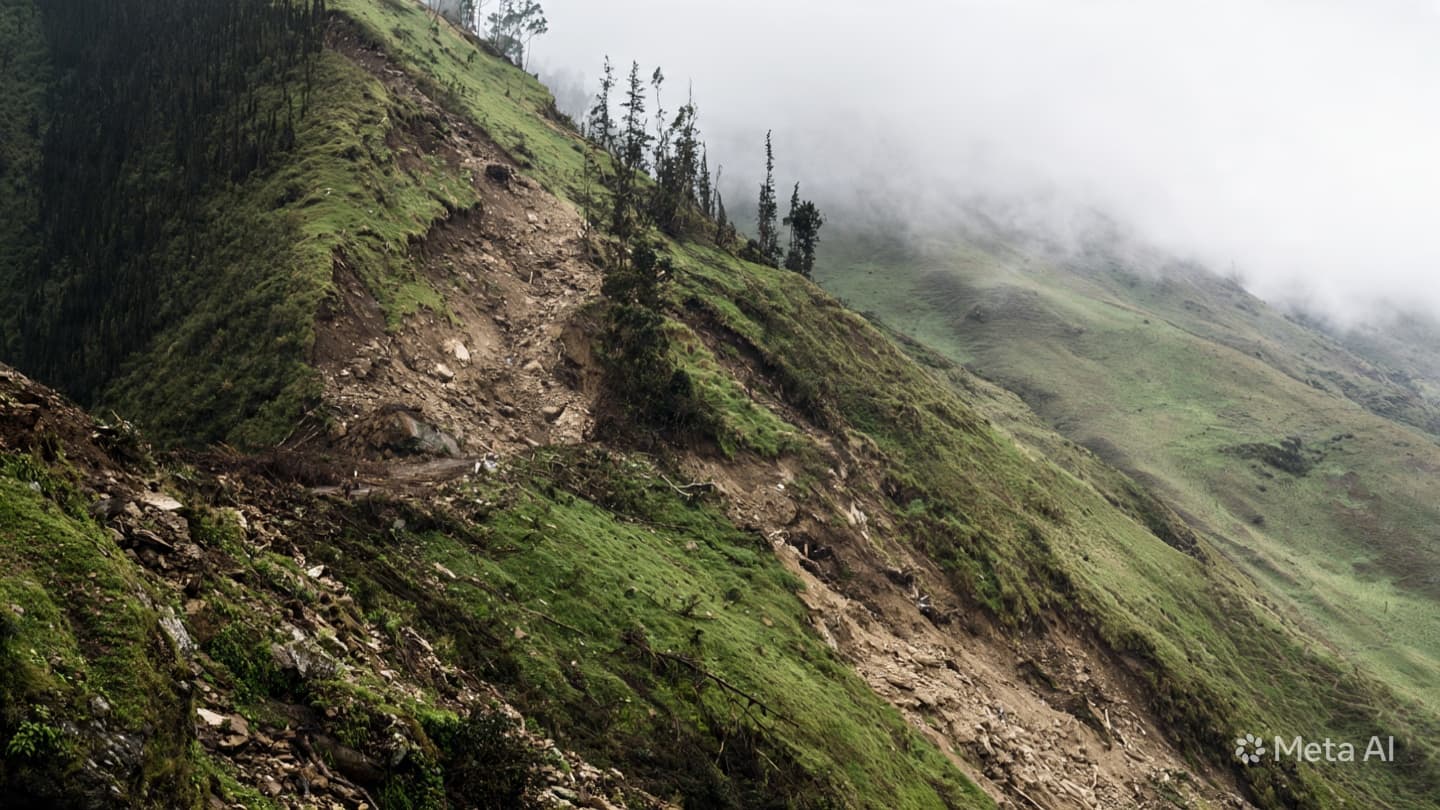
Ecuador has long been defined by its dramatic geography, a nation stretched between the Andean peaks and the coastal plains. But when the seasonal rains turn torrential, that same landscape becomes a source of profound and recurring vulnerability. The recent landslides across all twenty-four provinces, claiming fifteen lives and devastating thousands of homes, are a stark reminder of the intersection between nature’s intensity and our own human footprint. To see the earth move and the rivers rise is to witness the sheer, indifferent power of the climate, but also to confront the systemic challenges of infrastructure and urban planning that amplify these tragedies.
There is a hollow, chilling finality in the loss of fifteen souls. These were not merely statistical casualties; they were neighbors, farmers, and families whose lives were caught in the path of a disaster that, while seasonal, feels increasingly volatile. The landslides, often occurring in regions where soil saturation has reached a critical threshold, are the natural consequence of persistent, unremitting rainfall. Yet, the tragedy is compounded by the encroachment of settlements onto precarious slopes and the historical neglect of drainage systems that might have otherwise offered a buffer against the deluge.
To reflect on these events is to acknowledge the immense burden placed on the National Secretariat for Risk Management (SNGR) and the local communities that are the first line of defense. The scale of the damage—thousands of homes affected and vital infrastructure like bridges and roads severed—is a testament to the scale of the crisis. For those who have lost their livelihoods, their homes, or their loved ones, the recovery process is not just a logistical challenge; it is a profound, slow-moving trauma that will linger long after the rains eventually subside.
The grief of the nation is a collective recognition of our shared exposure. Whether in the high-altitude provinces or the low-lying basins of the coast, the pattern of flooding and landslides serves as a unifying, if tragic, experience. The disaster forces us to reckon with the reality of our changing climate, where the frequency and intensity of these "seasonal" events seem to be drifting into a more permanent, and more dangerous, state of affairs. It is a demand for a smarter, more resilient approach to how we build our communities and how we protect our most vulnerable.
Looking toward the future, the task of reconstruction is not merely to restore what was broken, but to fundamentally rethink how we exist within this landscape. The resilience of the Ecuadorian people—their determination to rebuild, to support one another in the wake of the floods, and to keep moving forward—is the only enduring strength we have. But that resilience needs the support of a state that is committed to long-term risk reduction, sustainable land use, and the empowerment of every community to withstand the next season of rising waters.
The Ecuadorian National Secretariat for Risk Management (SNGR) reports that since the start of the 2026 rainy season, persistent torrential rains have caused 15 fatalities across all 24 provinces. The severe weather has resulted in over 2,300 adverse events, including 877 floods and 825 landslides, impacting more than 110,000 people. With 33 bridges destroyed and nearly 30,000 homes damaged, the government is currently mobilizing resources to repair critical transport links and provide emergency assistance to the most affected cantons, particularly in the coastal and western regions.
Note: This article was published on BanxChange.com and is powered by the BXE Token on the XRP Ledger. For the latest articles and news, please visit BanxChange.com