
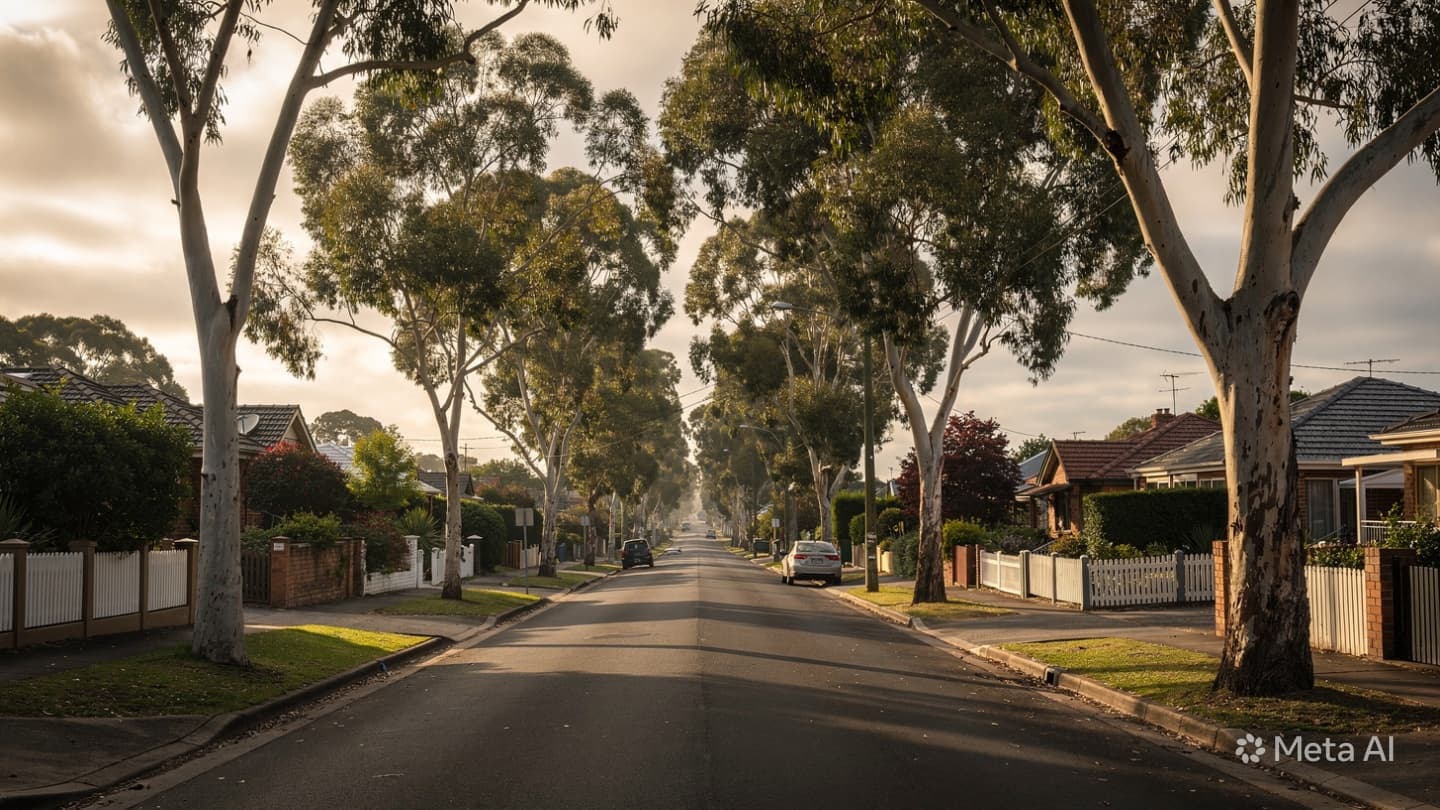
In the quiet, tree-lined streets of Melbourne’s suburbs, the home is the anchor of our lives, the place where we retreat from the bustle of the city to build the foundations of our private world. There is a predictable, comforting rhythm to these neighborhoods—the morning light hitting the front gardens, the evening drift of voices, the sense of security we derive from the familiar walls that enclose our loved ones. We operate on the assumption that these spaces are immutable sanctuaries.
When that sanctuary is compromised by the sudden, consuming heat of a fire, the disruption to the community’s sense of safety is profound. It is a moment where the private tragedy becomes a public reality, forcing neighbors to confront the fragility of the homes they hold so dear. The sight of emergency lights washing over a residential façade at night is a visual manifestation of a fear we usually keep tucked away.
The loss of two women in a house fire is a tragedy that reverberates through the local community, creating a void that is both sudden and deeply felt. It is the kind of event that makes us pause and reflect on the hidden risks of our daily lives, and the importance of the connections we maintain with those who live just behind the garden fence. It is a reminder that the sanctuary is only as secure as the elements that surround it.
Emergency services arrive with the purpose and training that define their profession, battling the fire with the desperate hope of reversing the tide. When they finally emerge, the silence that settles over the street is heavy with the gravity of the outcome. It is a scene that lingers, turning a familiar address into a place of contemplation, a site where the history of the home has been abruptly and cruelly redefined.
For the community, the aftermath is a slow process of coming to terms with the loss. It involves a collective support, a reaching out to those who are hurting, and a quiet effort to restore the sense of belonging that the fire so violently displaced. The neighborhood must learn to process the event, incorporating the memory of the women into the story of the street, while trying to protect the peace of their own homes.
The investigation that follows—the forensic analysis of the scene, the attempt to trace the origin of the fire—is a clinical necessity. It aims to provide answers in a situation that feels fundamentally senseless. Yet, the forensic details of the fire can never quite account for the depth of the loss, the stories of the two lives that were extinguished behind those closed doors.
We navigate our homes with a sense of ownership and control, often unaware of the volatile potential of the elements. This tragedy invites a moment of stillness—a pause to appreciate the fragility of our domestic lives and the importance of the simple, quiet moments we share within our walls. It is a somber reminder of the need for vigilance, but also for compassion.
As the investigators complete their work and the neighborhood moves forward, the memory of the fire will remain a part of the suburb’s history. The street will eventually return to its rhythm, but the quiet of the morning will carry the weight of the loss, a constant reminder of the precious, ephemeral nature of the lives we build within our homes.
Metro emergency services confirmed the deaths of two women following a house fire in a Melbourne suburb. Fire investigators are working to determine the cause of the blaze, which broke out in a residential property late in the evening.
Note: This article was published on BanxChange.com and is powered by the BXE Token on the XRP Ledger. For the latest articles and news, please visit BanxChange.com