
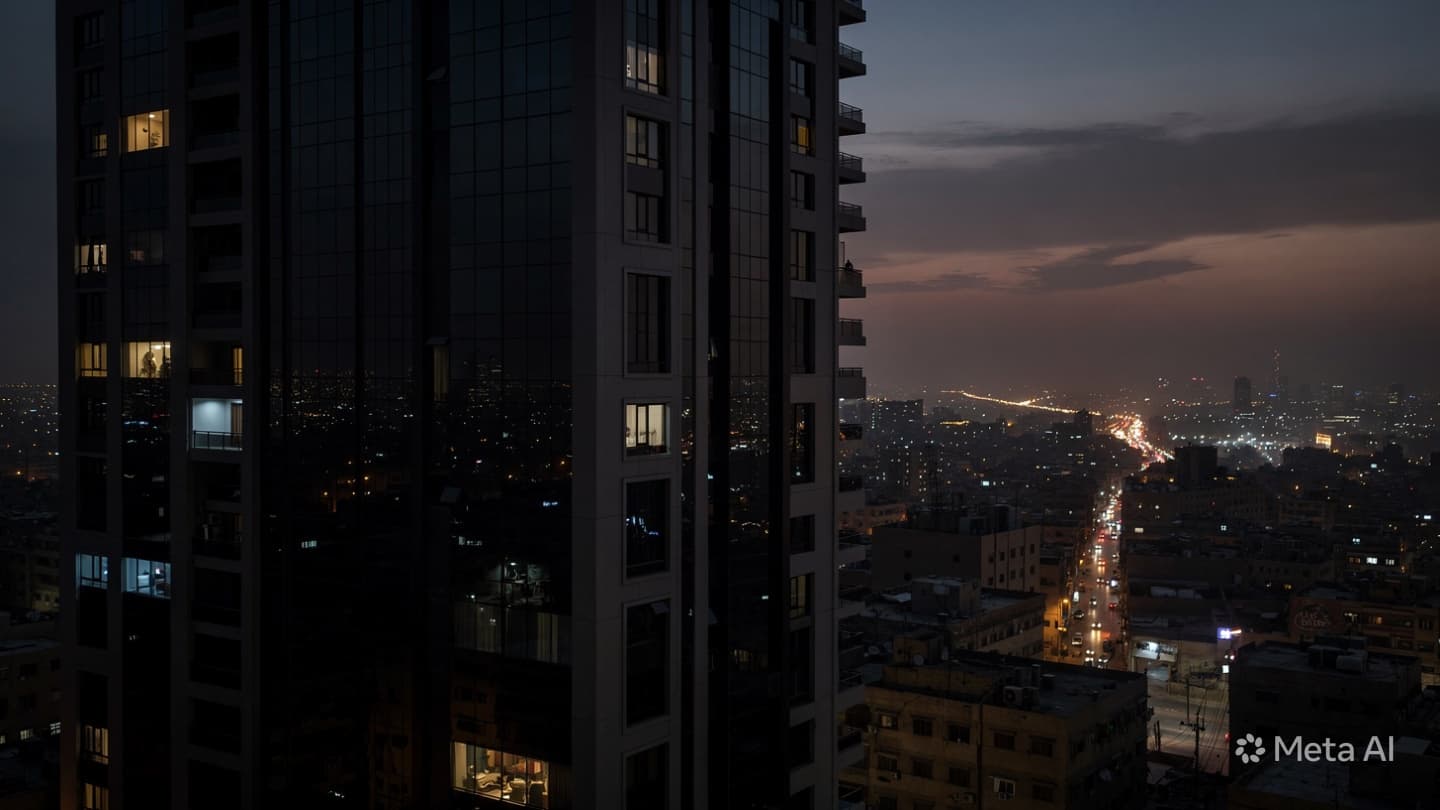
The home is fundamentally understood as an anchor—a space of profound stability where the outside world is held at bay, and the interior life of a family is intended to be protected. In the dense, vertical layers of a city like Cairo, where residential architecture hums with the unseen history of its inhabitants, that stability is a fragile construct. When a domestic dispute erupts into homicide, the sanctity of the household is not just compromised; it is completely dismantled, leaving behind a void that no amount of routine can fill.
A fatal confrontation within a residence is an act of tragic inversion—the place of safety becomes the site of the ultimate rupture. It does not announce itself with the heraldry of a public disaster; it begins as a disagreement, a surge of tension, or a long-simmering resentment that finds its volatile release in the quiet of an apartment. The transition from a space of domestic intimacy to a scene of criminal investigation is jarringly swift, stripping away the veneer of the ordinary.
In the aftermath, the residence becomes a shell—a place defined by the presence of investigators and the absence of the life that was extinguished. The neighbors, who shared the same walls and the same daily rhythm, are left to grapple with the dissonance of the event. The investigative process, which proceeds with the somber, detached efficiency of law enforcement, seeks to decipher the narrative of the room, looking for the threads that led to the violence.
For the detectives, the residence is a complex puzzle of traces—a shattered object, a displaced piece of furniture, the residue of a conflict. It is a necessary task, an attempt to rationalize the loss and to identify the culpability, yet for the community watching from the periphery, the cause feels less important than the overwhelming fact of the vacancy. It is a reminder that even in the heart of our most private spaces, we remain subject to the unpredictable, elemental forces of human emotion.
There is a communal vulnerability in these moments. The residents of the building are reminded of the proximity of their own domestic spaces to the sudden, irreversible nature of such a collapse. It is a shared, unspoken anxiety that lingers, a sobering reflection on the cost of the urban arrangements that define life in Cairo. It creates a collective pause, a realization that the safety of the private home is subject to forces that are often invisible until the moment they become catastrophic.
As the sun sets over the Cairo skyline, the lights of the city begin to flicker on, each one representing a life in motion, yet the apartment remains a site of inquiry. The tragedy is a quiet, heavy presence, a reminder that the sanctuary we build for ourselves is only as secure as the circumstances surrounding our movements within it. There is no easy explanation, only the slow, difficult process of justice and the enduring, heavy memory of the life that was extinguished in the heat of the moment.
Cairo Security authorities confirmed that a domestic dispute resulted in a homicide on June 18, 2026. One suspect has been taken into custody as police continue their forensic investigation at the residence. The incident has prompted a formal criminal inquiry, with detectives working to establish the sequence of events that led to the fatal confrontation.
Note: This article was published on BanxChange.com and is powered by the BXE Token on the XRP Ledger. For the latest articles and news, please visit BanxChange.com