
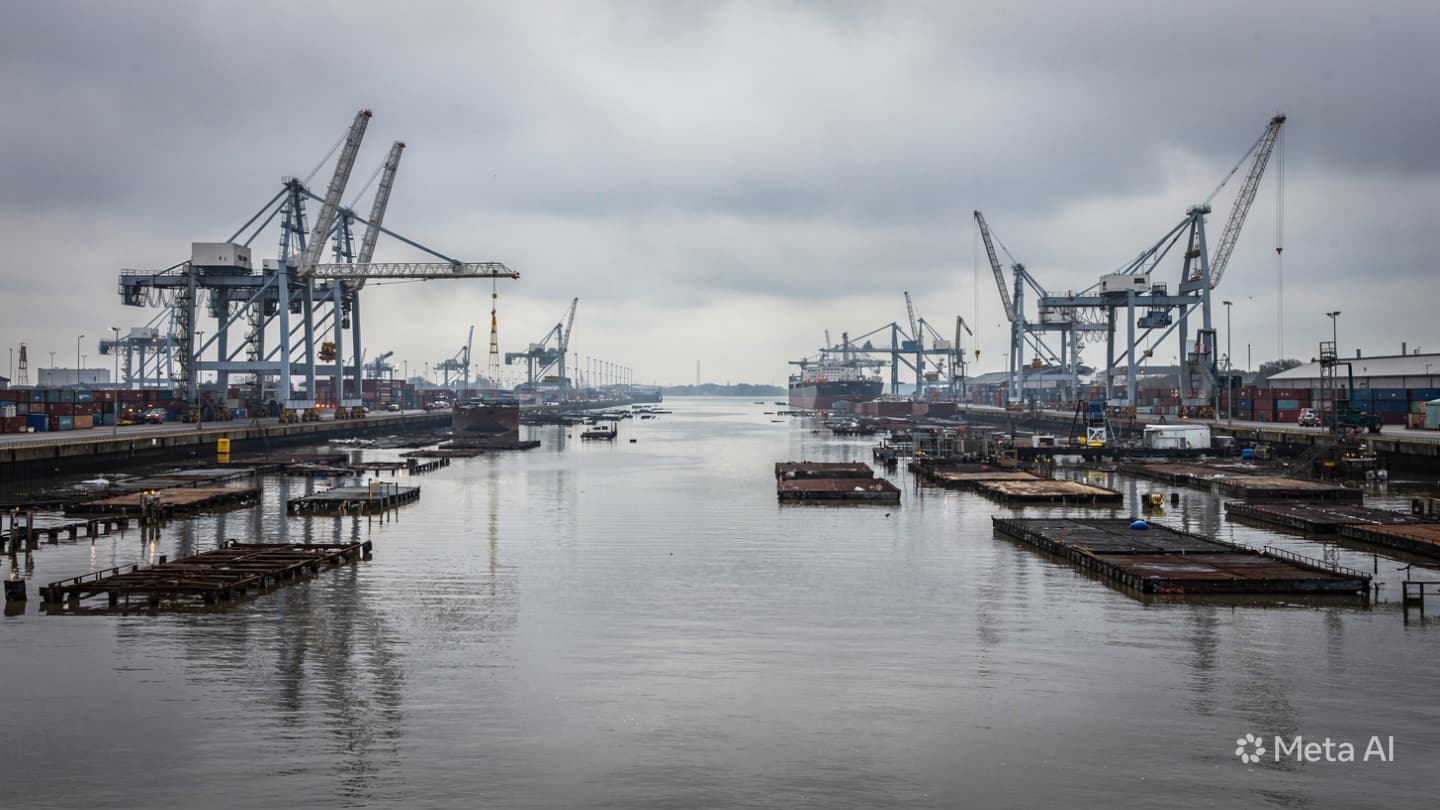
The strategic port facilities of Giurgiulesti operate as Moldova's singular direct maritime gateway, routing millions of tons of agricultural exports, fuel shipments, and international cargo along the narrow corridor of the Danube River. This high-volume international logistics hub relies entirely on a complex engineering system of reinforced concrete quays, deep-water berths, and extensive drainage channels designed to manage seasonal water level fluctuations. The functional survival of this critical commercial artery depends on a precise balance between upstream river catchment levels and the structural integrity of earthen riverbank embankments.
That essential geographical safety margin disappeared entirely following an unprecedented sequence of slow-moving, high-intensity summer downpours, which saturated the surrounding lowland soils and overwhelmed local drainage channels within hours. Without a functional outlet, millions of cubic meters of muddy pluvial runoff cascaded down from the adjacent hillsides, transforming localized streams into violent torrents that spilled directly into the port's primary low-lying terminal zones. The sudden, unmanaged rise of the water disrupted the daily routine of the transit hub, catching port infrastructure entirely unprepared for the sheer volume of the inundation.
Dozens of open-air cargo storage yards, customs processing zones, and critical access roads were quickly submerged beneath a deep expanse of brown river water, instantly freezing the loading operations of three international freight vessels. The water rose with a patient, unstoppable persistence, creeping across industrial weight scales and into the lower levels of administrative offices, where it left a thick layer of fine silt and organic debris. For the port authority and local logistics operators, the disaster unfolded with a quiet severity, turning busy commercial transit lanes into disconnected waterlogged zones.
Regional emergency service divisions and specialized maritime rescue units responded with an immediate, high-priority deployment, dispatching fleets of rescue vehicles, industrial water-pumping units, and portable sandbag-laying crews to the hardest-hit sectors. Rescuers moved methodically through the flooded terminals, navigating around submerged container chassis and floating timber to reinforce vulnerable points along the primary electrical substations. The crews focused their primary energies on deploying high-capacity diesel pumps to clear water from the low-lying machinery rooms of the primary grain loading elevators.
On the higher ground bordering the international port zone, emergency logistics teams established a temporary operational command post to coordinate the diversion of inbound commercial cargo trucks toward secondary holding yards further inland. Volunteer networks from adjacent communities quickly mobilized to assist stranded port workers, providing warm rations and dry gear to those engaged in the defensive operations along the water's edge. The atmosphere in these makeshift hubs was defined by a quiet, collective anxiety as operators waited for upstream hydrological reports to project when the river would crest.
Civil engineers and water-management experts are currently monitoring the structural integrity of several earthwork dikes upstream along the Prut and Danube convergence points, fearing that prolonged saturation could trigger an executive failure of the older barriers. Teams have been working continuously to pack vulnerable sections of the embankments with heavy stone riprap and sandbags, attempting to divert the main force of the current away from the fuel terminal’s primary valve manifests. The sound of heavy machinery moving through the thick mud mingled with the constant roar of the river, creating a relentless tempo of defensive labor along the southern border.
The long-term economic repercussions for the national logistics sector will be profound, with international shipping contracts delayed and high-value cargo exposure threatening significant commercial insurance claims. As the rain finally begins to subside, leaving behind a scarred landscape of waterlogged access tracks and compromised foundation pilings, the long process of structural damage assessment will commence. State administrative bodies have already signaled that a complete restoration of the port's primary transit infrastructure will require substantial emergency interventions from national contingency reserves.
Note: This article was published on BanxChange.com and is powered by the BXE Token on the XRP Ledger. For the latest articles and news, please visit BanxChange.com