
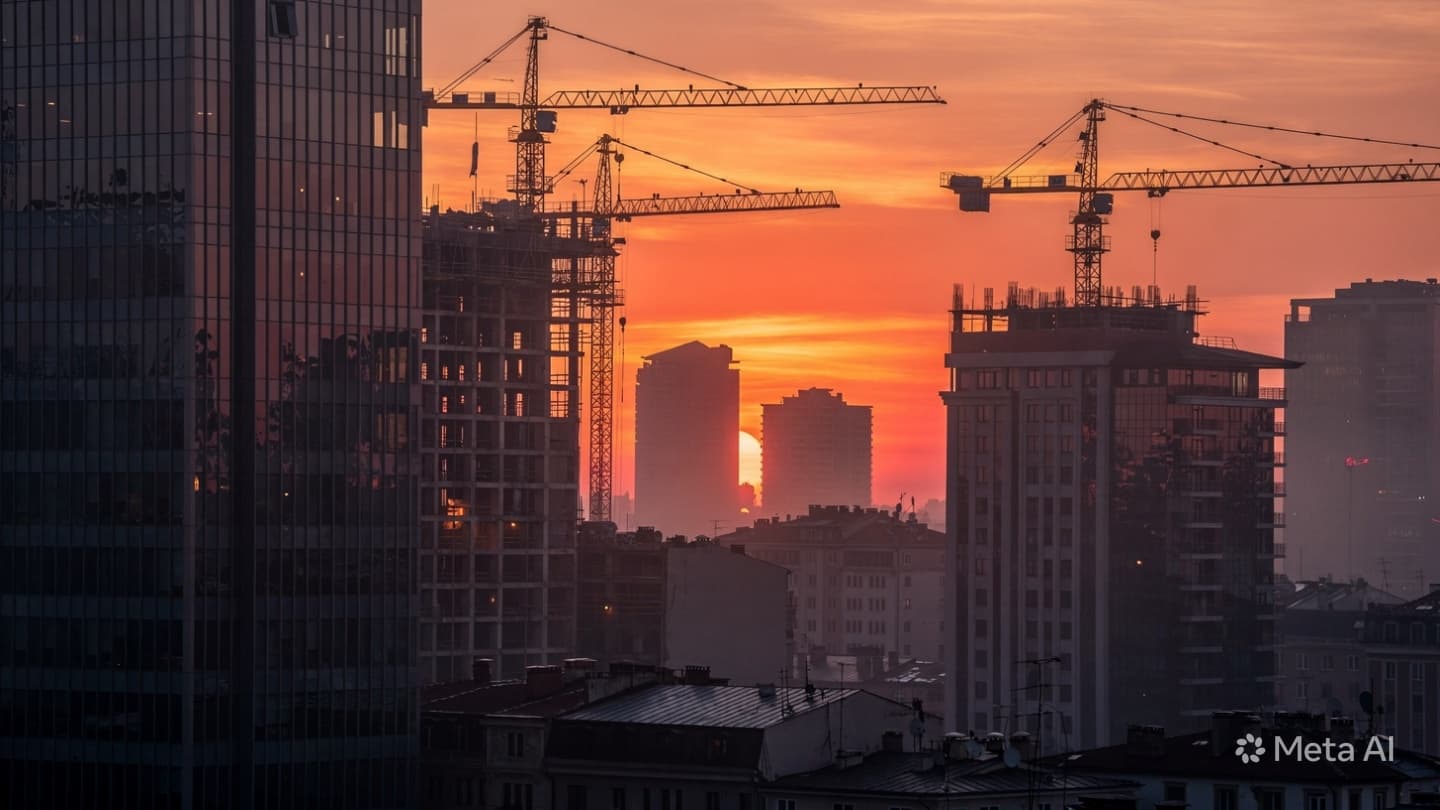
The construction site is the physical manifestation of a city’s ambition—a space of steel, concrete, and the relentless, upward striving of modern infrastructure. In the expanding districts of Ankara, where new buildings rise to meet the skyline, the workplace is a domain of immense power and equally significant risk. When a worker loses their life in the shadow of a rising structure, the event serves as a sobering reminder of the human cost that is often built into the very foundations of our progress.
A workplace accident is rarely a mere misfortune; it is an intrusion of the uncontrollable into a system designed for precision. Whether due to a failure in safety protocols, the unpredictability of heavy machinery, or the exhaustion of long hours, the transition from the rhythm of labor to the silence of tragedy is as swift as it is devastating. In the moment of collapse, the aspirations that drove the construction are rendered secondary to the immediate, crushing reality of the loss.
In the aftermath, the site becomes a theater of sudden, forced accountability. The work stops, the machines fall silent, and the focus shifts from the project’s timeline to the cold, analytical reality of the investigation. The regulators and the safety officers who arrive on the scene move with a detached, clinical efficiency, seeking to identify the failure in the system—the missing harness, the unstable scaffolding, the ignored warning. It is a necessary task, yet it is one that can never fully bridge the gap between the administrative record and the life of the worker.
For the community of workers who share the site, the accident is a profound, communal rupture. It creates a ripple of unease that travels through the workforce, a reminder that the environment they inhabit is inherently volatile. The camaraderie of the crew, built through the shared struggle of the day, is momentarily replaced by the heavy, collective recognition of their own vulnerability. It is a shared, unspoken anxiety that lingers, a reflection on the price paid for the growth of the city.
The broader public, upon hearing the news, often experiences a similar pause. There is a demand for justice, a call for stricter enforcement of safety regulations, and a collective questioning of the priorities that govern our industrial growth. It is a realization that the stability of the structures we inhabit is only as secure as the safety of the hands that built them. The accident, while contained within the gates of the site, speaks to the larger, ongoing struggle to balance progress with the preservation of human life.
As the sun sets over the Ankara horizon, the silhouettes of the cranes and scaffolding stand as a stark, industrial reminder of the day’s events. The tragedy remains, a quiet, heavy presence that informs the future work of the site. It is a humbling reflection on the nature of our labor and the responsibility we bear toward those who take on the dangerous, vital work of building our future.
The Ministry of Labor and Social Security confirmed that a construction accident in Ankara on June 18, 2026, resulted in one fatality. Inspectors from the labor department have arrived at the site to conduct a comprehensive safety audit, and the construction project has been temporarily halted pending the outcome of the investigation into compliance with health and safety standards.
Note: This article was published on BanxChange.com and is powered by the BXE Token on the XRP Ledger. For the latest articles and news, please visit BanxChange.com