Some challenges arrive with unmistakable urgency, while others unfold gradually until they become impossible to ignore. Across the western United States, another wildfire season has reminded communities that resilience is often built long before the first flames appear. This year, federal and state authorities have intensified their response as large fires spread across several western states amid persistent dry conditions.
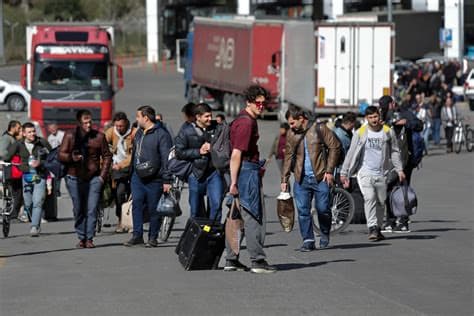
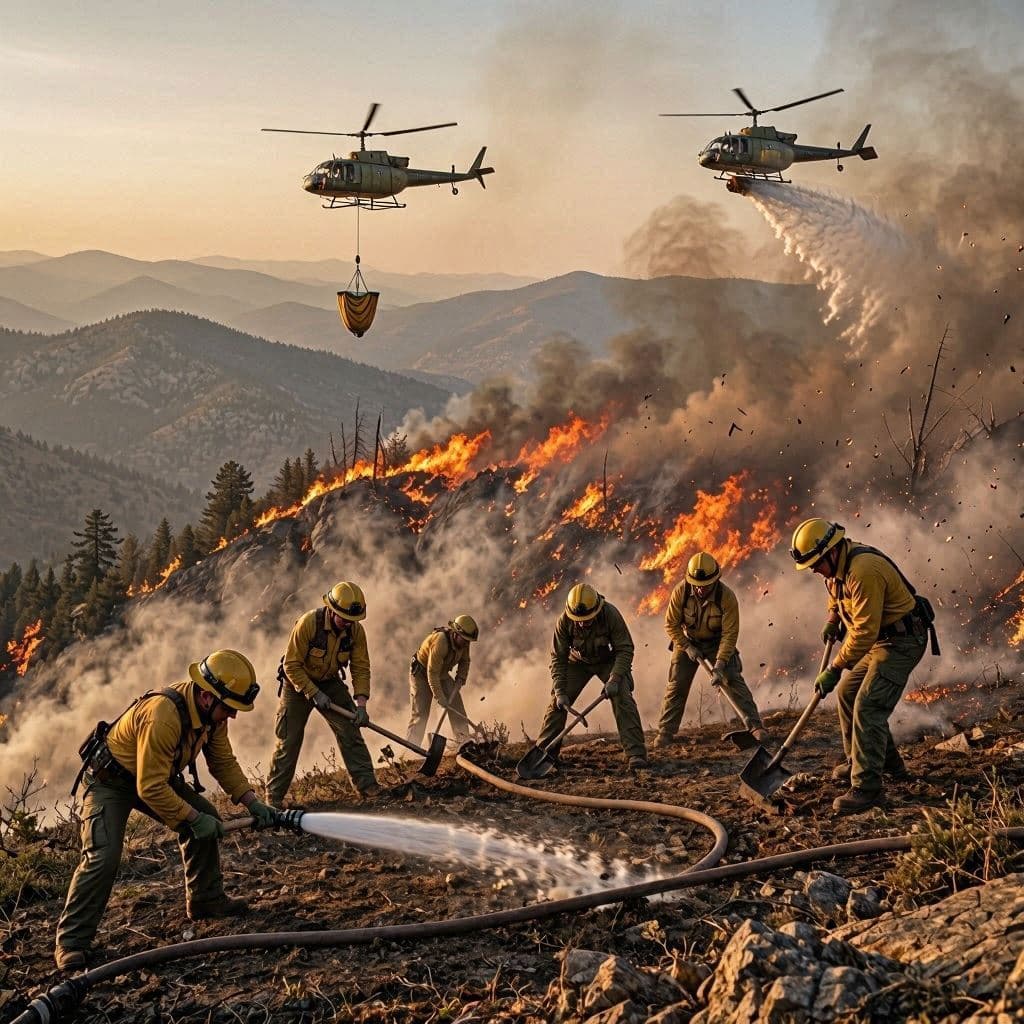
The United States has mobilized thousands of firefighters, National Guard personnel, aircraft, and emergency resources to contain multiple major wildfires burning across states including Colorado, Utah, Arizona, and New Mexico. Several communities have received mandatory evacuation orders as rapidly changing weather conditions have made firefighting operations increasingly difficult.
Federal agencies have worked closely with governors and local emergency management officials to coordinate evacuations, protect critical infrastructure, and provide support for displaced residents. In Utah, authorities declared a state of emergency and temporarily restricted fireworks ahead of Independence Day celebrations to reduce the risk of additional human-caused fires during exceptionally dangerous conditions.
Weather has remained one of the greatest challenges facing emergency crews. Strong winds, extremely low humidity, and prolonged drought have allowed several fires to expand rapidly, at times forcing firefighting aircraft to remain grounded for safety. Officials have warned that even a small spark can quickly develop into a large wildfire under current conditions.
The wildfire response has also drawn attention to recent changes in federal wildfire management. The U.S. administration announced organizational reforms, including the establishment of a federal Wildland Fire Service and renewed emphasis on rapid fire suppression. While officials say the approach is intended to better protect communities and infrastructure, some wildfire specialists have expressed differing views regarding long-term forest management strategies.
Beyond emergency operations, communities throughout the region continue adapting to repeated evacuations and prolonged uncertainty. Many families have temporarily left their homes more than once as fire behavior changes from day to day. Emergency shelters, local charities, and volunteer organizations have played an important role in supporting affected residents while firefighters continue containment efforts.
Authorities continue encouraging residents to monitor official evacuation notices, avoid activities that could ignite new fires, and prepare emergency plans throughout the remainder of the wildfire season. Fire officials emphasize that public awareness remains one of the most effective tools for reducing additional wildfire risks during periods of extreme weather.
As the western wildfire season continues, government agencies remain focused on protecting lives, property, and natural landscapes while adapting to rapidly changing conditions. Although many fires are expected to remain active for weeks, coordinated emergency responses and community cooperation continue to form the foundation of ongoing recovery and public safety efforts.
AI Image Disclaimer: This article includes AI-generated illustrations created solely to visualize the topic and should not be interpreted as authentic photographs of the reported events.
Source Verification Check: Associated Press (AP), Reuters, CBS News, The Washington Post
Published by Banx Network. This article is part of the Banx decentralized media programme, powered by the BXE token on the XRP Ledger.