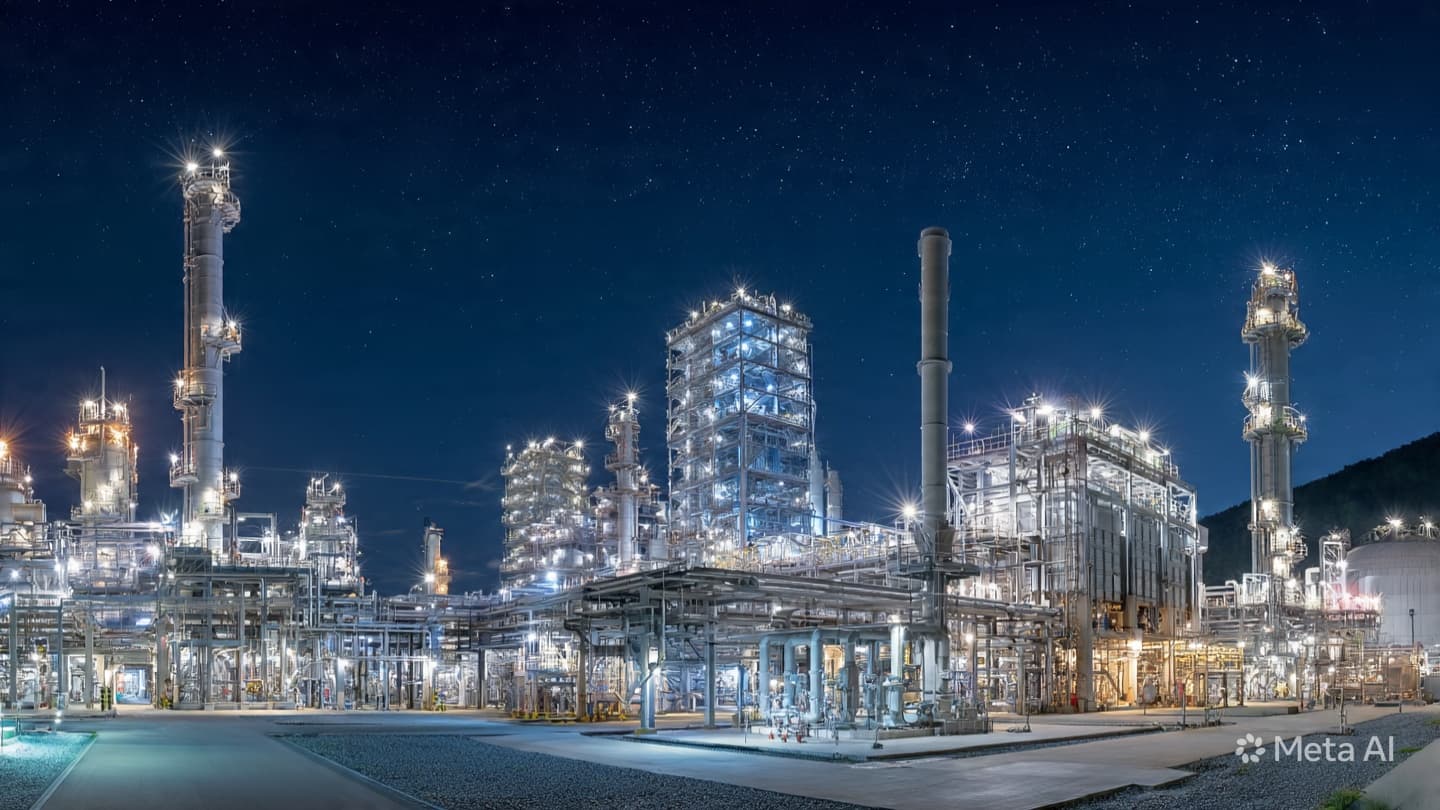
The infrastructure of modern energy is often described as the hidden heartbeat of the global economy—a vast, intricate network of pipelines, refineries, and fields that operate with a silent, relentless efficiency. When that heartbeat is suddenly disrupted, the consequences ripple outward, reaching far beyond the industrial hubs of the Eastern Province or the coastal facilities of Yanbu. The recent attacks on Saudi energy facilities, which cut production capacity and pipeline throughput, serve as a stark reminder of the vulnerability of our energy systems to the volatility of regional conflict.
For a nation that serves as the world’s top oil exporter, the East-West pipeline is more than just a route; it is a vital artery of security, enabling the movement of crude away from the constraints of transit through the Strait of Hormuz. When strikes hit its pumping stations, reducing throughput by hundreds of thousands of barrels per day, the impact is felt immediately in the global markets. It forces a recalibration of supply strategies and heightens the sense of fragility that surrounds our collective energy security.
The recent incidents—including damage to the Manifa oilfield and major refining hubs like SATORP and Ras Tanura—have tested the limits of operational and emergency inventories. The ministry source, citing the depletion of these reserves, paints a picture of a nation working under intense pressure to maintain its role as a stable supplier. It is a story of industrial resilience, where the focus is on the slow, methodical process of recovery while facing the ongoing threat of further disruption.
This situation invites a deeper reflection on the risks posed to global energy supplies as conflict spreads across the region. The modern energy grid, while highly sophisticated, is reliant on the integrity of its physical assets. When those assets become the targets of missiles and drones, the very foundation of global energy security becomes subject to the unpredictable nature of regional hostilities. It underscores the critical need for a stable geopolitical environment, one where the vital tools of energy production are shielded from the reach of political and military strife.
The human dimension of these attacks is equally significant. The loss of personnel in the industrial security sector and the injury of employees is a tragedy that brings the reality of these industrial disruptions to a personal level. It reminds us that behind every statistic of "barrels per day" or "refining capacity" are the people who manage these sites, ensuring the world’s lights stay on even as the world around them becomes increasingly complex.
As the markets react with price volatility and analysts weigh the duration of these outages, the focus remains on the path to normalization. Restoring production and repairing damaged facilities is not a task that can be completed overnight; it is a process that requires both time and the restoration of a secure operational environment. It is a sobering test of the Kingdom’s endurance, and by extension, a test of the global energy system’s capacity to withstand the pressures of an uncertain world.
The resilience of Saudi energy infrastructure has long been a factor of stability in global crude markets. The current disruptions, while significant, highlight the vital role that the Kingdom’s diverse export routes play in maintaining that stability. Even as throughput is impacted, the ability to sustain exports through the Red Sea via terminals at Yanbu remains a critical component of the recovery effort. It is a story of adaptation, where the system is being pushed to its limits and forced to demonstrate its capacity for flexibility.
As the situation evolves, the focus for the international community is clear: the need for a sustained, secure environment is paramount. The vulnerability of energy hubs is a shared concern, one that emphasizes the interconnectedness of our global economic life. The hope remains for a stabilization of the regional environment, ensuring that the heartbeat of industry can return to its steady, efficient rhythm, free from the shadow of conflict and the threat of disruption.
Attacks on key Saudi energy facilities have resulted in a reduction of oil production capacity by approximately 600,000 barrels per day and cut throughput on the critical East-West Pipeline by 700,000 barrels per day. The disruptions, reported by state media citing the Ministry of Energy, affected operations at major sites including the Manifa oilfield and several refining facilities in Jubail and Yanbu. Authorities noted that these strikes have depleted operational inventories, significantly limiting the Kingdom's ability to offset supply shortfalls and increasing volatility in global energy markets.
Published by Banx Network. This article is part of the Banx decentralized media programme, powered by the BXE token on the XRP Ledger.