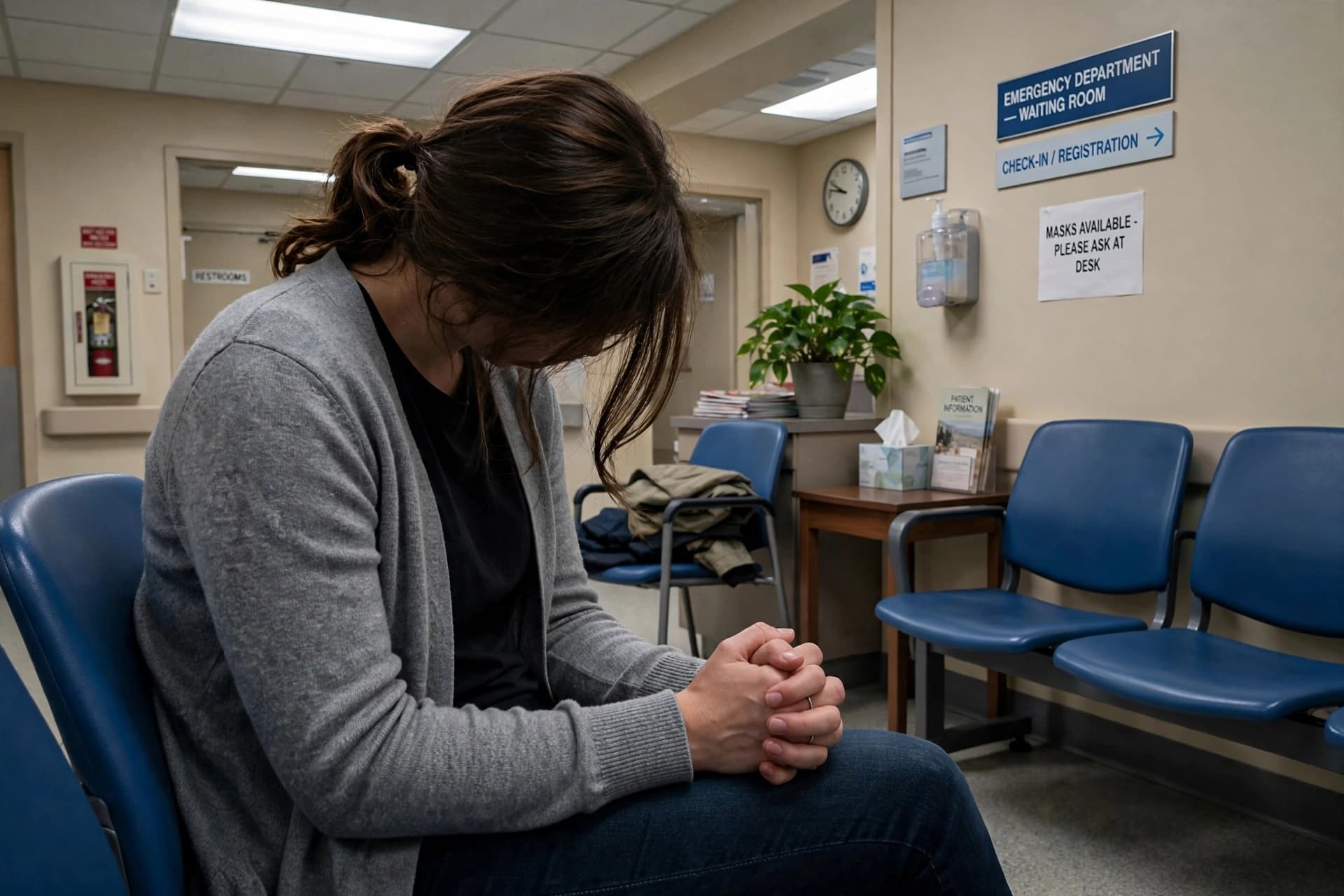
There is a particular kind of stillness that settles over a community when the frantic pace of viral circulation finally ebbs. For months, our collective attention has been tethered to the rise and fall of indicators—the spikes in waiting rooms, the quiet warnings in public spaces, and the ever-present vigilance required to navigate the complexities of seasonal illness. But as we move through this current moment in May 2026, that intensity has given way to a profound, measurable calm. The seasonal tides of influenza, RSV, and COVID-19 have receded, leaving behind a baseline level of activity that feels like a long-awaited exhale.
This transition is not merely an absence of noise; it is a structural change in the way our public health systems are functioning. Data from national and European monitoring channels indicate that viral circulation across the board has returned to inter-seasonal, baseline levels. After a season where the rhythms of RSV and other respiratory pathogens were both persistent and occasionally unpredictable, the current landscape is marked by stability. For the healthcare providers who have spent the past several months in a state of high readiness, this period represents a necessary, quiet transition toward standard operations.
The science behind this calm is as intricate as the viruses themselves. Respiratory pathogens, by their nature, are driven by seasonal changes in environment, social patterns, and human behavior. The current lull reflects the natural conclusion of these cycles, where the combination of population immunity and seasonal shifts creates a temporary friction against the widespread transmission of illness. It is a reminder that even in the face of modern medicine’s vigilance, there is an ancient, rhythmic order to how these viruses move through our shared spaces.
Yet, this baseline is not a state of total stillness; it is a dynamic equilibrium. While the threat level is low, public health surveillance remains active, monitoring the subtle ripples that occur even during these quieter times. The work of identifying emerging patterns or unexpected deviations from the norm continues in the background, a testament to the fact that preparedness is a constant state, not a reactive one. The vigilance we have cultivated over the last few years has become a part of the institutional fabric, ensuring that we are never truly caught off guard.
For the individual, this season offers an opportunity to step back and reflect on the landscape of wellness. We are moving through a time where the necessity of constant precaution has been replaced by the possibility of mindful, everyday health. It is a transition that encourages us to appreciate the fluidity of our environment, acknowledging that while we may now be in a period of reprieve, the cycles of our shared health are ongoing and ever-evolving.
This current stability provides a unique vantage point for assessing the effectiveness of our public health strategies. We are seeing how the integration of monitoring, data-driven response, and public awareness has contributed to a more resilient system—one that can absorb the pressures of a peak season and return, with greater efficiency, to a baseline of relative health. It is a pattern of growth, marked by the gradual refinement of how we manage our collective vulnerability to the invisible threats that occasionally disrupt our lives.
As we look toward the months ahead, the focus remains on maintaining this equilibrium. The current low levels of activity are a foundation upon which we can build, allowing for a thoughtful review of the past season’s interventions and a strategic approach to future readiness. It is a period of reflection, both for the institutions that safeguard our health and for the communities that participate in these cycles of risk and resilience.
Ultimately, the story of this season is one of endurance. We have navigated the complexities of respiratory risk with a level of cooperation and attention that has become a hallmark of our modern response. As the air remains clear and the reports remain steady, we are reminded that our collective health is a journey—one that is punctuated by both the storms of viral prevalence and the quiet, steady beauty of the seasons in between.
As of late May 2026, respiratory virus activity remains low across global surveillance networks. Recent data from the CDC and the ECDC confirm that seasonal influenza, RSV, and SARS-CoV-2 are circulating at baseline inter-seasonal levels. Emergency department visits for respiratory illness have remained stable and low, reflecting a return to typical patterns of health within the community. Public health agencies continue to monitor these trends as part of ongoing year-round surveillance to ensure continued preparedness for future shifts in viral dynamics.
Published by Banx Network. This article is part of the Banx decentralized media programme, powered by the BXE token on the XRP Ledger.