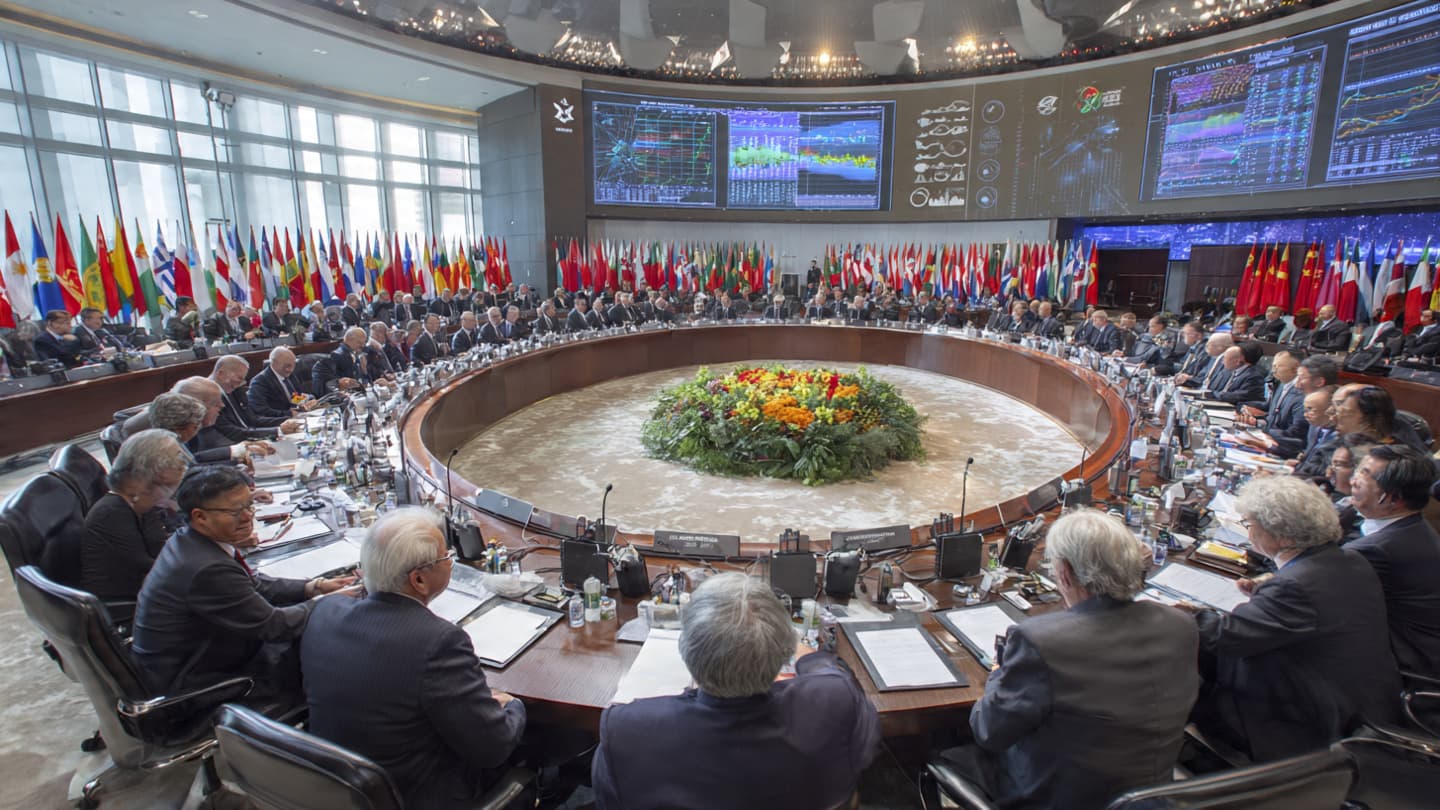
The global economy rarely moves in a straight line. Like changing weather patterns crossing oceans and continents, economic conditions shift in response to countless forces that often extend far beyond national borders. Recognizing this reality, France has called for deeper international cooperation as countries confront an increasingly complex landscape marked by uncertain growth, technological transformation, and evolving trade relationships. The message comes as policymakers prepare for the upcoming G7 Summit, where economic stability is expected to feature prominently on the agenda. French officials argue that many of today's challenges cannot be effectively addressed through isolated action alone. Inflationary pressures, supply chain disruptions, investment uncertainty, and financial market volatility have demonstrated how closely interconnected modern economies have become. A disruption in one region can rapidly influence conditions elsewhere, affecting businesses, consumers, and governments alike. This interconnectedness has strengthened calls for coordinated approaches that promote resilience and reduce unnecessary risks. The emphasis on cooperation reflects lessons learned from previous periods of economic turbulence. History has shown that uncertainty often increases when communication breaks down among major economic powers. Conversely, sustained dialogue can help clarify intentions, reduce misunderstandings, and create opportunities for collaborative solutions. France's position is that open channels of communication remain essential even when countries disagree on specific policies or priorities. Business leaders have echoed many of these concerns, noting that confidence plays a critical role in economic activity. Investment decisions often depend not only on current conditions but also on expectations regarding future stability. When uncertainty dominates the outlook, companies may become more cautious, potentially slowing innovation and growth. International cooperation can therefore contribute to a more predictable environment that supports long-term planning. Emerging technologies have added new dimensions to these discussions. Artificial intelligence, digital infrastructure, and advanced manufacturing are reshaping industries around the world. While these developments create significant opportunities, they also raise questions about competition, regulation, and workforce adaptation. Addressing such issues may require greater coordination among governments and private-sector stakeholders. France's appeal for cooperation does not imply that differences will disappear. Countries continue to pursue distinct economic strategies shaped by their own priorities and circumstances. However, French officials argue that shared challenges make constructive engagement increasingly valuable. Finding common ground where possible can help strengthen the foundations of global economic stability. As world leaders prepare to meet, the broader objective remains clear: reducing uncertainty while fostering conditions that support sustainable growth. Whether through formal agreements or ongoing dialogue, cooperation remains one of the most important tools available for navigating economic complexity. In that sense, France's message is less about a single summit and more about a continuing effort to encourage partnership in a rapidly changing world.
AI Image Disclaimer
Visuals are created with AI tools and are not real photographs.
Source Check Sources identified before writing:
Reuters AFP Bloomberg Financial Times OECD Reports
Published by Banx Network. This article is part of the Banx decentralized media programme, powered by the BXE token on the XRP Ledger.