
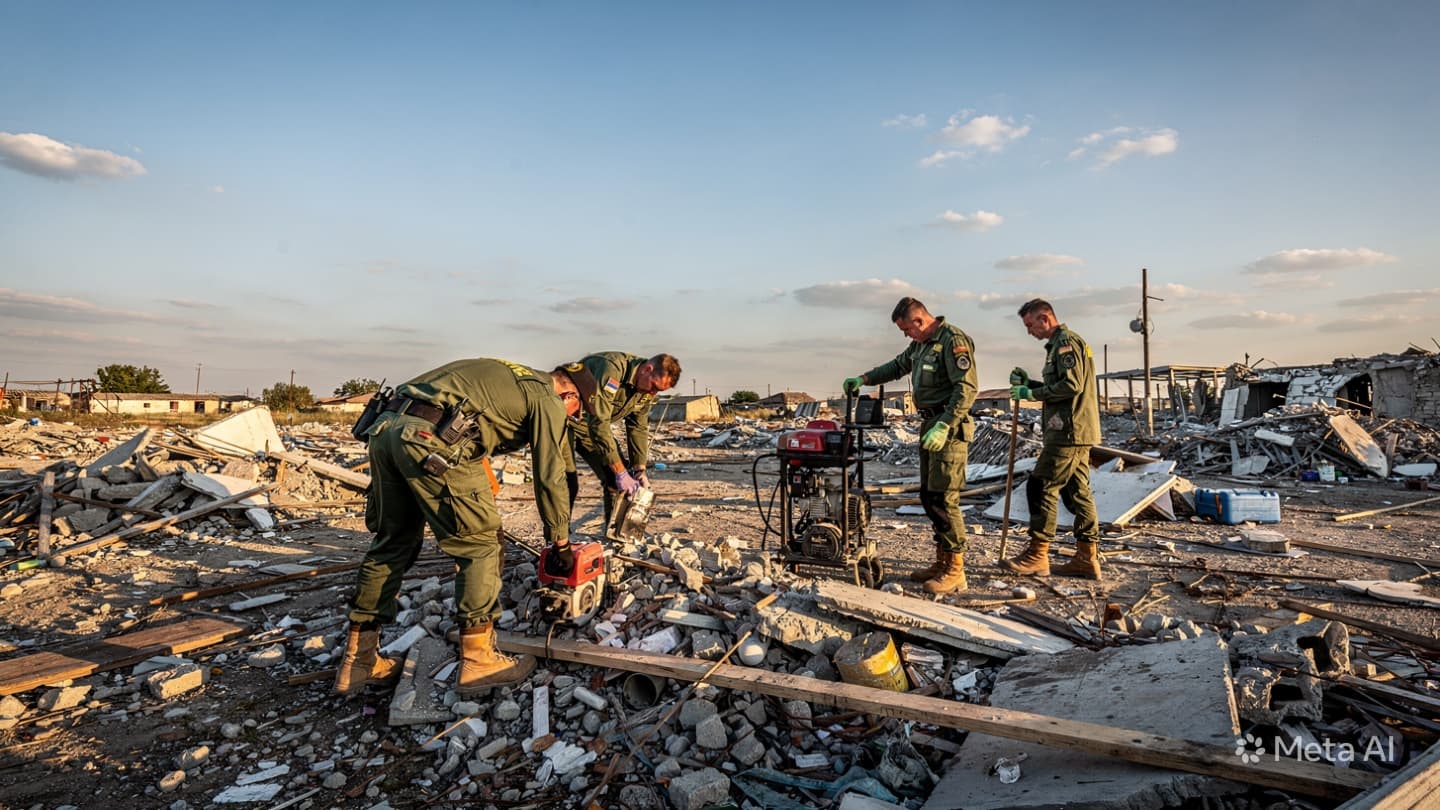
There is a profound, jarring silence that descends after the ground has ceased its violent, tectonic shift. The landscape, once so steady and familiar, becomes a place of sudden, alien complexity. In the regions recently touched by seismic activity, the earth bears the marks of the event—cracks that vein the soil and structures that stand as skeletal remains of their former selves. It is in this environment that search and recovery operations begin.
These operations are characterized by a rhythm of patient, methodical inquiry. Rescue teams, their movements guided by both technology and an intimate knowledge of the terrain, move through the impacted areas with a quiet, focused intensity. Every brick that is shifted and every void that is explored is done so with a profound, solemn respect for the potential lives and stories that may be hidden beneath.
The presence of the recovery teams provides a sense of structure to a landscape that feels fundamentally unstable. For the families who wait on the perimeter, the sight of these teams is the only tether to a world that still makes sense. There is an unspoken, collective understanding that as long as the search continues, there is hope. The operations are a public affirmation that the community’s loss is being met with a relentless, unwavering commitment.
As the operations persist, the environmental challenges become increasingly apparent. The terrain is often precarious, the structures unstable, and the conditions demanding. Yet, the teams remain, their work a testament to the endurance of the human spirit in the face of nature’s raw, unpredictable power. It is an editorial reflection on the way we, as a collective, confront the unexpected—not with surrender, but with duty.
There is a unique, reflective atmosphere at the center of these efforts. The work is often performed in the quiet hours, when the light is dim and the focus is sharp. It is here that the true weight of the situation is most apparent—the realization of how fragile our footprint on the earth truly is. Every find and every cleared path is a step toward understanding what has occurred.
The data gathered during these operations feeds into the broader, national understanding of our seismic vulnerability. But for those on the ground, the numbers are secondary to the goal of bringing closure and ensuring safety. The operations are a bridge between the shock of the event and the long-term project of reconstruction. They are a way of acknowledging the reality of our geography while refusing to let disaster define the future.
As the operations continue, the focus will gradually shift from search and recovery to the equally vital work of debris management and infrastructure repair. It is a transition that is marked by the same dedication that characterized the initial rescue phase. The recovery of a region is a marathon, and the persistence of these teams is the most important element in the success of the journey.
The earth will eventually stabilize, and the landscape will begin to change again, this time through the restorative hand of human effort. The memory of the event will persist, woven into the stories of the people and the new, strengthened foundations of the structures we build. But for now, the work remains in the search—a quiet, constant, and necessary act of faith that underscores the resilience of communities.
Official reports from PHIVOLCS and local disaster management offices indicate that search and recovery operations remain active in regions recently affected by significant seismic activity. Teams are utilizing specialized monitoring equipment to ensure the stability of the terrain as they proceed with the systematic clearing of debris. While seismic monitoring shows that the tectonic environment is currently being assessed for potential aftershocks, the priority remains the continued sweep of impacted areas.
Published by Banx Network. This article is part of the Banx decentralized media programme, powered by the BXE token on the XRP Ledger.


