
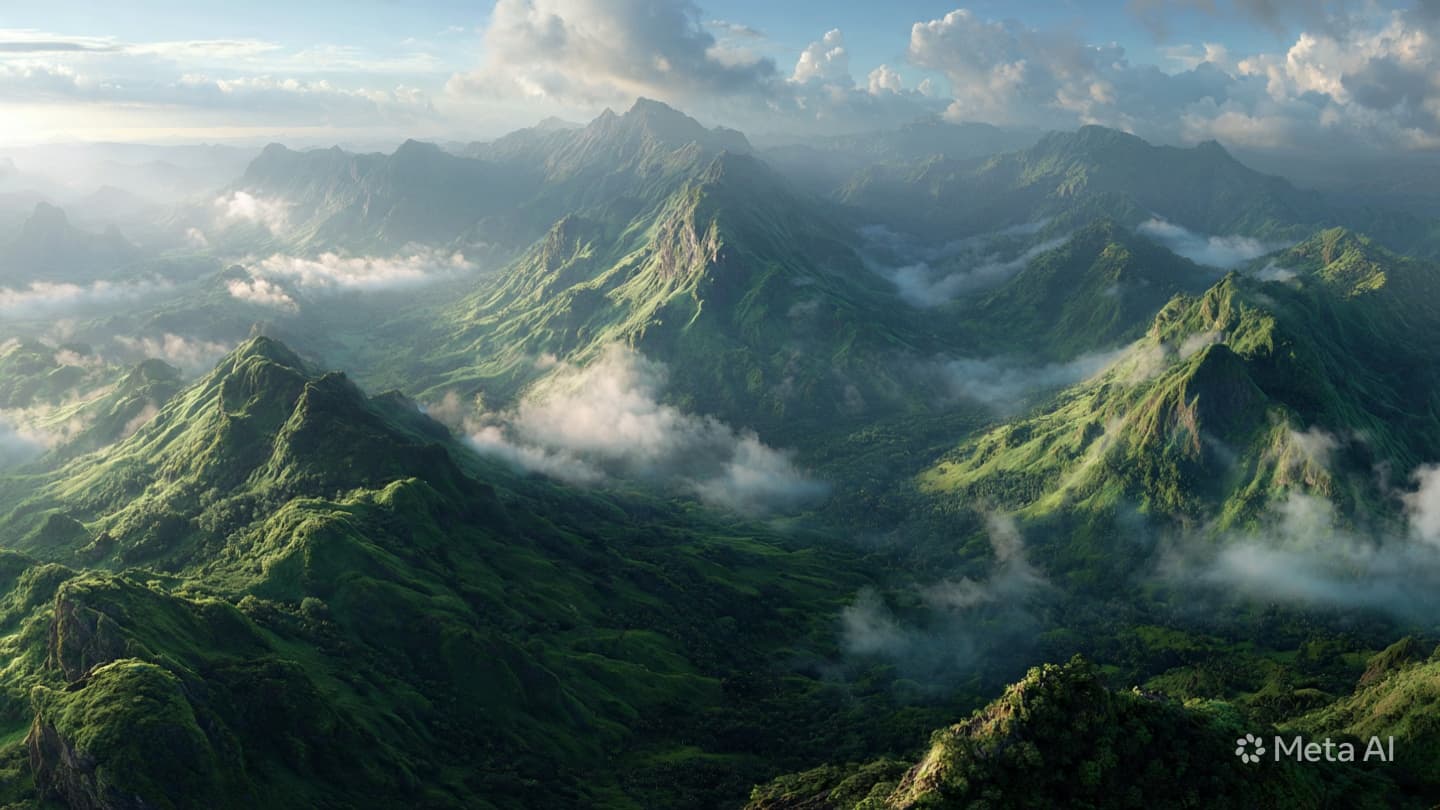
The mountains of Davao de Oro are a landscape of profound beauty, a series of peaks that rise with a persistent majesty above the valleys below. For those who live among them, the slopes are more than scenery; they are the foundation of existence, a source of shelter and a silent companion to the rhythms of daily life. Yet, beneath the serene surface of the forest and the cultivated hillside, there exists an undercurrent of instability, a capacity for the earth to shift and reclaim the space it has lent to our homes. When the land gives way, it does so with a raw, indifferent power that challenges our sense of belonging.
To live on the mountain is to inhabit a precarious relationship with the natural world. We build our homes into the slopes, adapting our lives to the verticality of the terrain, often underestimating the latent energy held within the soil and stone. When a massive landslide occurs, it is not merely an event of gravity; it is a manifestation of the mountain’s own internal life—a release of pressure that has been building long before we arrived to settle. In Davao de Oro, that release has left a scar on the land and a profound void in the hearts of the community.
The tragedy of lives lost to the earth is a deeply human weight that the landscape itself cannot feel. We see the images of the residential area, the remnants of the lives lived within the structures, and we are struck by the suddenness of the transition from a place of warmth to a place of debris. There is a profound silence that follows the roar of the slide, a stillness that settles over the region as neighbors and responders begin the grueling work of recovery. It is a quiet grief that echoes through the mountain passes and into the valley below.
We seek reasons to justify the disaster—the intensity of the rainfall, the history of land use, the instability of the bedrock. We attempt to quantify the risk, hoping that by understanding the mechanism of the slide, we can protect our homes from the next occurrence. Yet, in the immediate aftermath, there is no comfort in these explanations. The mountain remains, its slopes as imposing as ever, and the survivors are left to navigate the complexity of loss in a geography that has been permanently transformed by the slide.
The mourning of a community is a collective burden, a shared experience that binds the village together in a state of quiet solidarity. We see the outpouring of support, the arrival of aid, and the efforts to rescue, reflecting the resilience of a community that refuses to be defined by the disaster. But beneath the resolve, there remains an awareness of the fragility of their environment. They live with the knowledge that the mountain is a living force, and that their presence is always subject to its shifting whims, a truth that is now etched into their history.
There is a haunting, elemental beauty in the way the mountain continues to hold its secrets after the mud has settled. The forest slowly begins to encroach upon the disturbed earth, a silent process of healing that is measured in seasons and years. We watch this cycle with a sense of perspective, realizing that our human timelines are but a breath against the expanse of the mountain’s history. We are but visitors on these slopes, tasked with the responsibility of living in harmony with a force that far exceeds our own and requires our constant, humble respect.
In time, the stories of those we lost will be woven into the lore of the region, becoming part of the landscape’s collective memory. They will be remembered not just for how they died, but for the lives they lived in the shadow of the peaks, their presence enduring in the whispers of the wind and the stillness of the trees. We honor them by continuing the work of recovery, by strengthening our bonds with one another, and by maintaining an abiding respect for the mountain that provides us both home and hardship, even when that home is reclaimed by the earth.
Six residents were confirmed dead following a massive landslide that buried a residential area in Davao de Oro, Philippines. The disaster, triggered by continuous heavy rainfall, caused a significant portion of the hillside to collapse, trapping multiple homes under tons of mud and debris. Search and rescue operations were launched immediately, with local disaster response teams and volunteers working in challenging conditions to locate survivors and recover the remains of the victims. Provincial authorities have declared a state of emergency in the affected areas, and residents in nearby zones are being relocated to evacuation centers due to the continued threat of further landslides.
Note: This article was published on BanxChange.com and is powered by the BXE Token on the XRP Ledger. For the latest articles and news, please visit BanxChange.com