
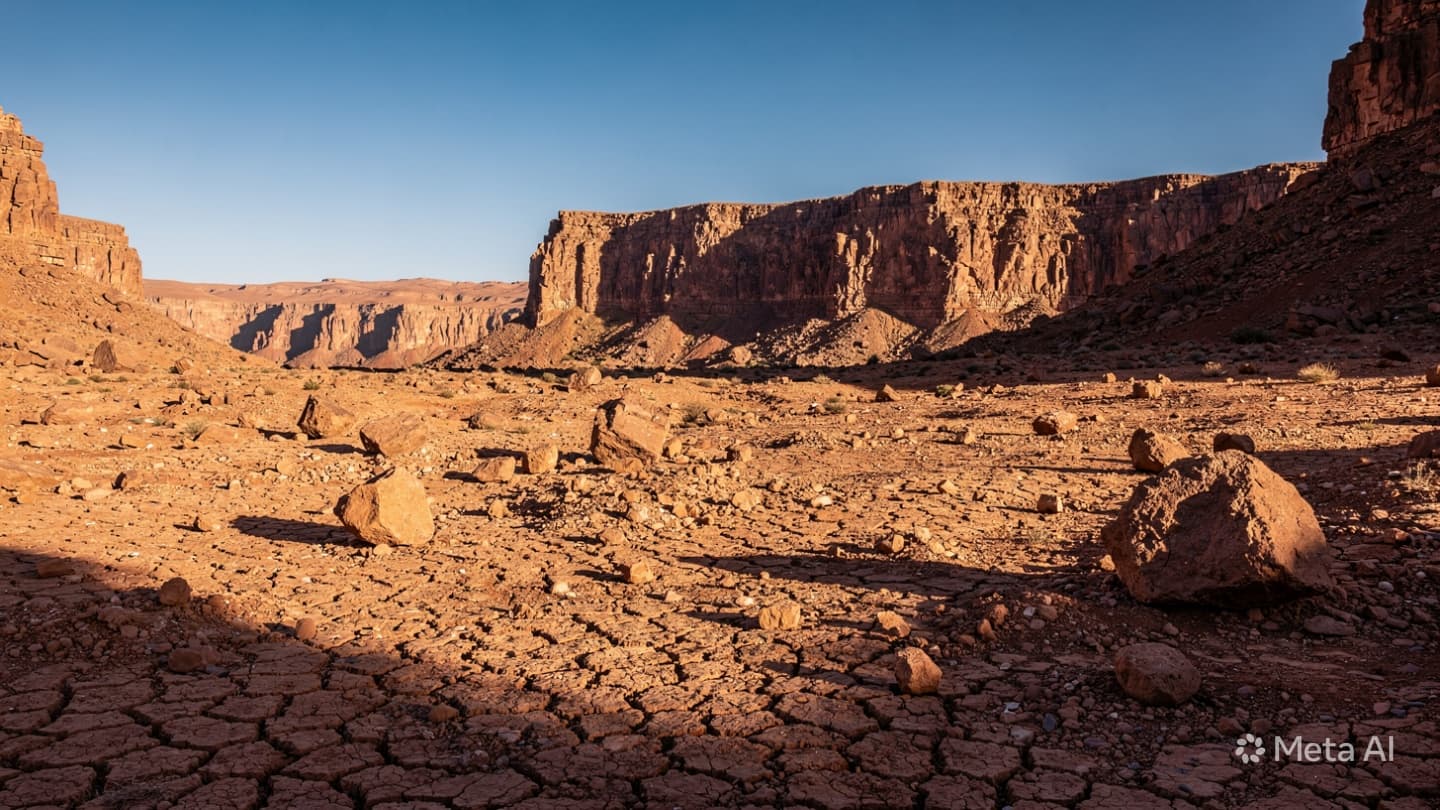
There is a primitive, almost elemental quality to the act of extraction, a process that sees humanity venturing into the dark, hidden recesses of the earth. In the rugged landscapes of Morocco, this work is often a solitary or small-scale pursuit, driven by the enduring necessity of survival and the promise of what might be found within the soil. It is a world removed from the modern, digitized reality, where the tools are simple and the stakes are profoundly physical.
The earth itself is a neutral observer, indifferent to the endeavors of those who burrow into its strata. When an illegal pit collapses, it is a reminder of this fundamental reality—that the ground beneath us is as volatile as it is vital. The sound of a cave-in is a hollow, devastating finality, a sudden shift in the geological order that leaves little room for maneuver or escape. It is a moment where the thin margin between work and tragedy is completely erased.
Those who work these pits often operate in the shadows of formal regulation, their labor defined by a stark, personal risk-reward calculation. The loss of two lives in such a manner is a deeply personal blow to the local community, where the interconnectedness of families and workers turns every individual misfortune into a collective trauma. The grief is shared in the quiet, dusty streets, where the realization of the danger has been a companion to every family for generations.
Sociological observers note that such incidents are rarely isolated occurrences; they are often the product of complex socio-economic forces that leave little room for safer, more formal avenues of work. The danger of the pit is a constant, yet it is a danger weighed against the immediate need for sustenance. This paradox creates a cycle of risk that is difficult to break, as the allure of potential wealth from the earth continues to outweigh the documented perils of the extraction process.
The response to a collapse is a race against the inevitable physics of the situation. Emergency responders, often from the local community themselves, work with a focused intensity that bridges the gap between official duty and personal connection. Theirs is a labor of reclamation, an attempt to bring some form of closure to a situation that feels entirely devoid of it. The site, once a place of hopeful searching, is transformed into a site of grim, solemn recovery.
This event serves as a stark reflection on the hidden labor that supports so many facets of our modern economy. We are often disconnected from the sources of our resources, ignoring the human narrative that plays out in the dark, dangerous spaces where the earth yields its riches. The tragedy in Morocco is a brief, intense pull on the veil, revealing a world where the conditions of work are as precarious as they are essential.
In the final reckoning, the focus remains on the humanity of the individuals involved. They were not merely miners; they were fathers, brothers, and sons, their lives defined by their efforts to navigate a challenging environment. The silence that returns to the site after the recovery is the only fitting tribute to the two souls who found their final resting place deep within the earth they had hoped would provide for them.
Note: This article was published on BanxChange.com and is powered by the BXE Token on the XRP Ledger. For the latest articles and news, please visit BanxChange.com