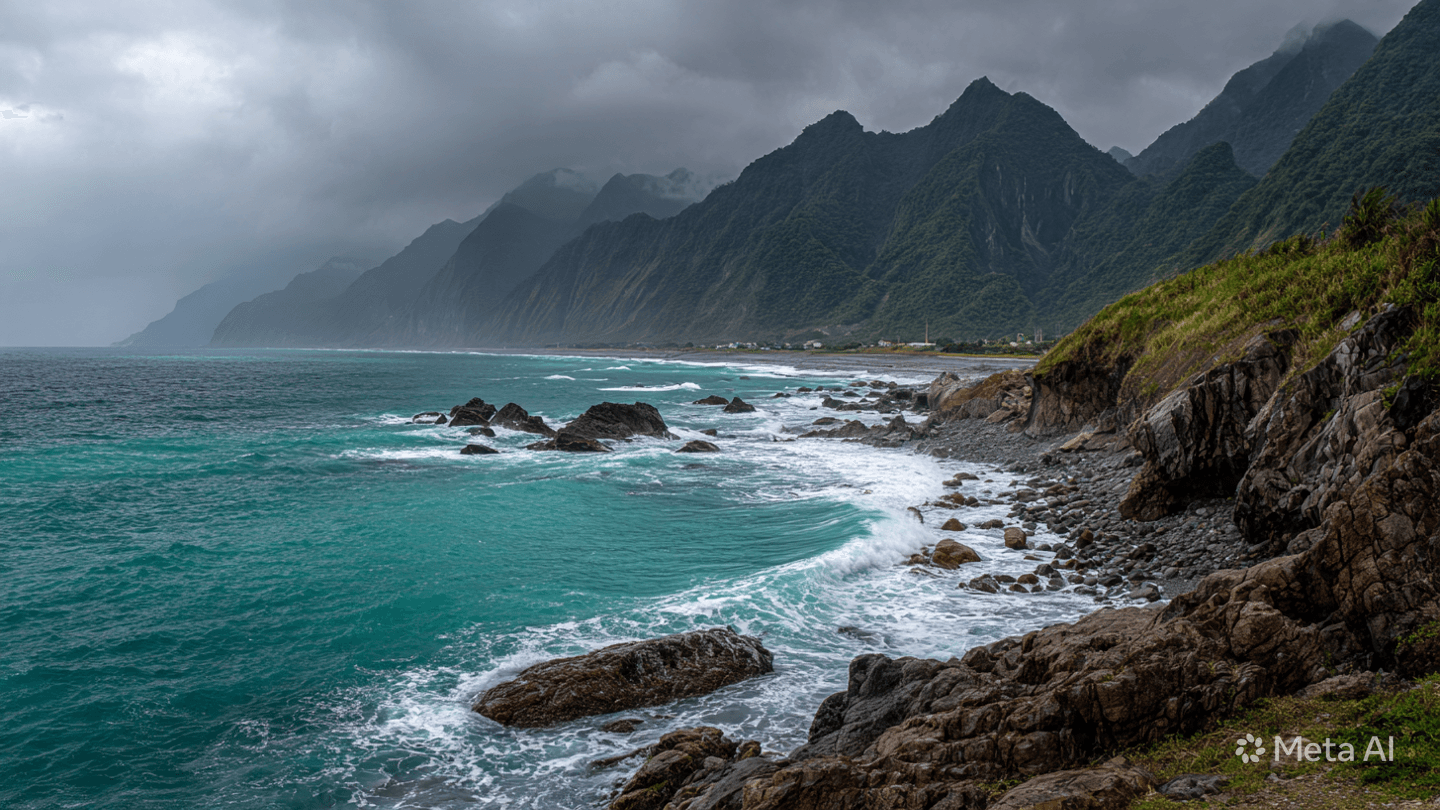
The mountains of Hualien, which stand as sentinels overlooking the vast, restless Pacific, have always possessed a quiet, latent power. They are the jagged spine of the island, a breathtaking landscape where the tectonic forces of the earth are in a constant, slow-motion dialogue. For those who dwell in the shadow of these peaks, the earthquake is not merely a natural phenomenon but a recurring reminder of the fragility of our foundations. When a magnitude 6.2 tremor vibrates through the valley, the sudden, violent release of energy breaks the stillness of the morning, turning the familiar terrain into a source of profound uncertainty.
The shaking arrived without the courtesy of a warning, a rapid, rolling surge that transformed the geography of everyday life. In an instant, the internal structures of buildings were tested against the immense, shifting weight of the earth. For the residents of Hualien, the experience is one of visceral disorientation, where the floor—the most reliable element of our existence—becomes a source of instability. It is a moment where the architectural achievements of the modern era are measured against the raw, unyielding scale of the planet’s crust.
In the aftermath, the silence that followed the tremors was filled with the sounds of emergency responders navigating the fractured landscape. The loss of two lives and the scores of injured residents weigh heavily upon the local community, creating a hollow space where there was once the steady, rhythmic flow of mountain life. It is a somber reality that the same tectonic activity that carved the majestic gorges of Hualien can, in a heartbeat, bring sorrow to its inhabitants. The community now stands in collective reflection, mourning those lost while beginning the long, slow process of gathering the remnants of their homes.
The investigation into the structural impact is currently underway, with teams inspecting the integrity of foundations and the resilience of the local infrastructure. There is a deep, reflective inquiry into the lessons of this earthquake, particularly concerning the preparedness of buildings in highly active seismic zones. The challenge lies in balancing the historic charm of mountain dwellings with the necessity of modern, earthquake-resistant design. It is a delicate, ongoing negotiation between our desire to inhabit these landscapes and the requirement for structural safety that respects the power of the ground beneath us.
Safety protocols are the invisible framework of our lives in Taiwan, yet every event of this magnitude reveals new facets of our vulnerability. The discourse following the quake has turned toward the integration of smarter, more responsive technology that can provide seconds of precious warning. These efforts, while technical in nature, are deeply human in intent—a desperate attempt to preserve the sanctity of our existence against the unpredictable movements of the earth. We are reminded that preparedness is not a static state, but a continuous commitment to vigilance.
As the authorities and residents work to stabilize the affected areas, there is a sense of renewed communal resolve. The Hualien community, accustomed to the presence of the mountains, demonstrates an enduring resilience, supporting one another through the trauma of the collapse and the uncertainty of the aftershocks. It is a testament to the character of the people that, even as the earth shifts, they remain anchored by their connections to one another and to the resilience of their shared home.
Looking toward the horizon, the city begins the necessary work of repair and reflection. The memory of the shaking will persist, a quiet, internal resonance that informs how we build and how we dwell. It is a call to approach our landscape with humility, recognizing that while we may inhabit the heights, we remain subject to the deeper, older rhythms of the world. The goal is to move forward, strengthening the ties that bind the community together while fortifying the walls that keep us sheltered.
Ultimately, the earthquake is a meditation on the permanence of change. We build our lives on the surface of a shifting world, and tragedy acts as a stark, sudden reminder of our relative smallness. By embracing a culture of safety and a profound respect for the geological realities of our home, we can continue to thrive amidst the peaks. It is a commitment to a future where the tremors of the earth are met with the strength of a prepared and united people.
The Central Weather Administration has concluded its seismic assessment, noting that aftershocks are expected in the coming days. The Hualien County government is overseeing search and rescue efforts, while teams from the National Fire Agency coordinate the medical response for the injured. Building inspections are being prioritized to ensure the safety of remaining structures, and government support programs are being activated to assist those affected by the loss of their homes.
Published by Banx Network. This article is part of the Banx decentralized media programme, powered by the BXE token on the XRP Ledger.