
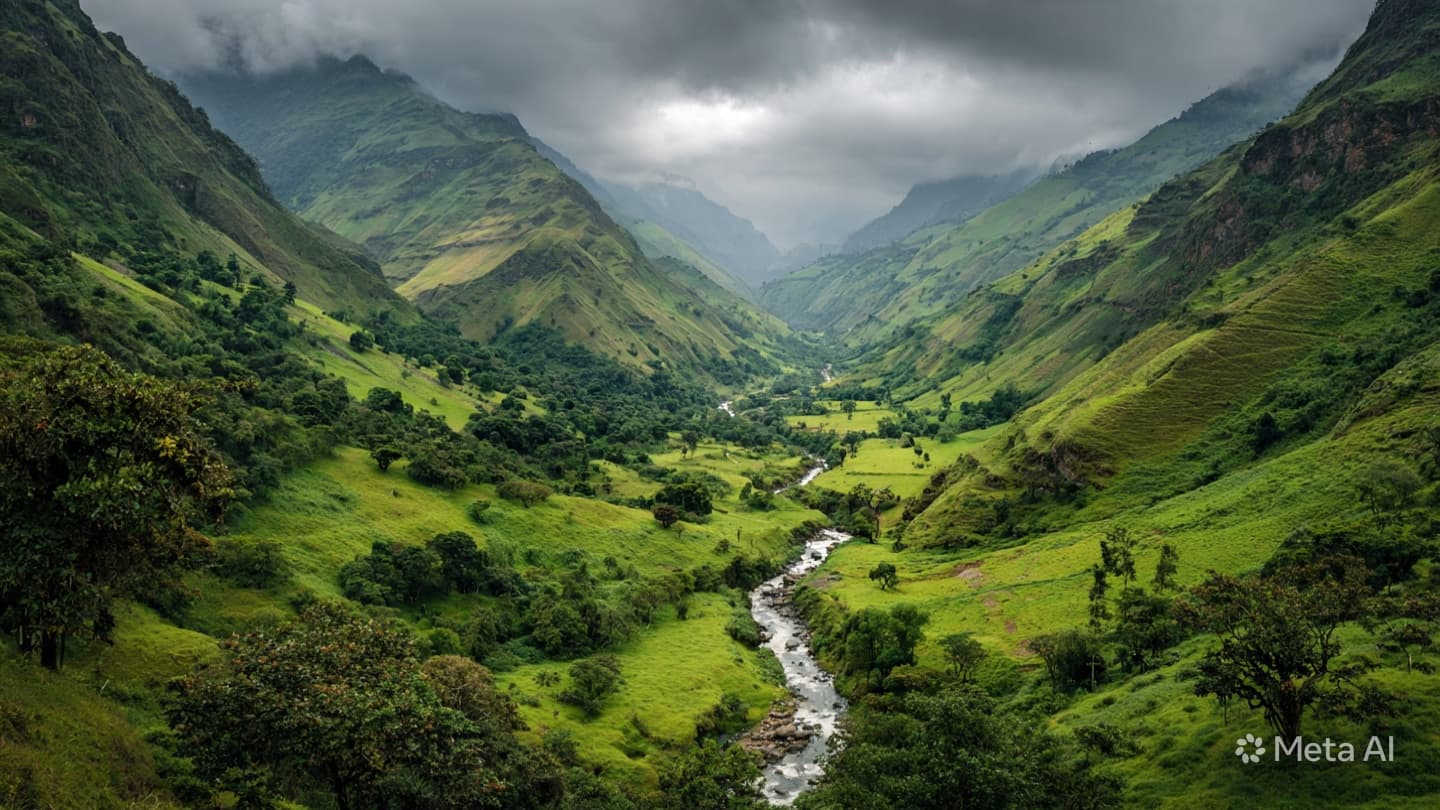
The landscape of Antioquia is a masterpiece of verticality, where emerald ridges climb toward the clouds and rivers carve deep, impatient veins through the valley floors. It is a region defined by its constant, lush growth and the pervasive presence of water—a life force that, in its most extreme moments, transforms into a force of disorienting power. When the rains arrive with a ferocity that defies the patterns of the season, the mountain streams, usually mere whispers against the stone, swell into roaring, opaque torrents. It is in this transition—from a peaceful, flowing waterway to a churning, brown tide—that the safety of the passage becomes a matter of raw, atmospheric chance.
A vehicle caught in the path of such an occurrence is no match for the hydraulic weight of a flash flood. The road, which often hugs the contours of these steep slopes, becomes a narrow, vulnerable ribbon of stability amidst the chaotic movement of water, mud, and displaced debris. There is a terrifying suddenness to these events, a moment where the reliable ground vanishes and the predictability of the journey is replaced by the overwhelming impulse of the current. It is a reminder that in these high, verdant regions, the infrastructure we build is always a guest of the geography it traverses.
Recovery efforts in the aftermath are a testament to the resilience of the local rescue teams, who must navigate the very terrain that has so violently shifted. These professionals, moving through the thick, settling mud and the debris of the flood, carry out their duties with a somber, focused intensity. The recovery of the two victims is not just an operation of search and retrieval; it is a quiet, necessary act of restoration, a way of bringing closure to a narrative that ended in the turbulence of the mountain runoff. The work is cold, precise, and deeply human, performed under the watchful, indifferent gaze of the surrounding peaks.
The scientific community often points to the intricate interplay of deforestation, slope stability, and record-breaking rainfall as the architects of such disasters. Yet, looking upon the scene, the analytical language of hydrology seems to fall short of capturing the weight of the loss. The communities that live in these valleys are intimately aware of the water's power, yet even with that awareness, the suddenness of a flash flood remains an unpredictable hazard. Each event serves as a sharp, painful instruction on the necessity of caution and the profound limits of human intervention when the elements are in motion.
In the days that follow, the river will likely recede, returning to a semblance of its former self, though the banks will be scarred by the memory of the overflow. The road, damaged and debris-strewn, will be cleared, repaired, and reopened, as the necessity of movement forces the world to continue forward. This is the cycle of life in the Andes—a persistent effort to rebuild and move on, even as the landscape holds the potential for future disruption. The memory of the event settles into the collective consciousness, becoming a local landmark, a point of reference for the risks of the rainy season.
The administrative response—the assessments of road integrity, the warnings issued to travelers, and the investigations into the incident’s specifics—is the bridge between the tragedy and the eventual return to normalcy. It is a bureaucratic, necessary process that seeks to weave safety into the fabric of daily life in Antioquia. While it cannot prevent the next storm from gathering, it serves as a measure of our commitment to safeguarding those who must traverse these beautiful, treacherous slopes. The goal, always, is to minimize the distance between our aspirations for safe travel and the reality of the natural world.
Ultimately, the event stands as a reflection on the delicate balance of life in this region, where the abundance of water is both a blessing and a burden. The loss of life reminds us of the fragility of our machines and our plans when faced with the unyielding momentum of nature. We move through this landscape with a mixture of reverence and caution, acknowledging that our journey is never entirely our own. It is a shared passage, subject to the whims of the environment and the quiet, persistent resilience of those who remain to witness the aftermath.
As the quiet returns to the valley, the focus shifts to the long-term work of environmental management and infrastructure resilience. These are the steps that ensure the region can continue to thrive, even amidst the persistent challenges of its geography. The victims are remembered, the road is restored, and the cycle of life continues, shaped and reshaped by the water that flows endlessly through the veins of the earth. We are all, in our own ways, travelers through these landscapes, shaped by the events that pass us by and the strength we find to continue.
Note: This article was published on BanxChange.com and is powered by the BXE Token on the XRP Ledger. For the latest articles and news, please visit BanxChange.com