There is an inherent trust we place in the structures around us—the walls that shelter our rest, the roofs that guard against the elements, and the foundations that anchor our existence. When these structures falter, the result is a jarring disruption of our perception of stability. The sudden collapse of a building in Port-au-Prince is not just a localized tragedy of engineering or maintenance; it is a profound rupture in the daily expectation of safety, a moment where the physical world reminds us of its unpredictable nature.
In the aftermath of such a collapse, the landscape is transformed into a chaotic map of debris and dust. The quiet reflection that follows is centered on the loss of life and the immense work required to move through the wreckage. It is a scene that demands a somber observation of the human cost, where the familiar silhouette of a structure is replaced by a gaping void. For the families involved, the world has irrevocably changed, anchored by the sudden absence of those who were once secure within those walls.
The investigation into why a structure yields to gravity is often a technical one, involving assessments of building codes, materials, and the environmental pressures of a dense urban center. Yet, beyond the technical analysis, there is a human narrative to be acknowledged. Every building is a repository of stories, a vessel for the activities of individuals whose lives were intertwined with the very mortar that eventually failed. To look at the debris is to look at the scattered remains of those lived experiences.
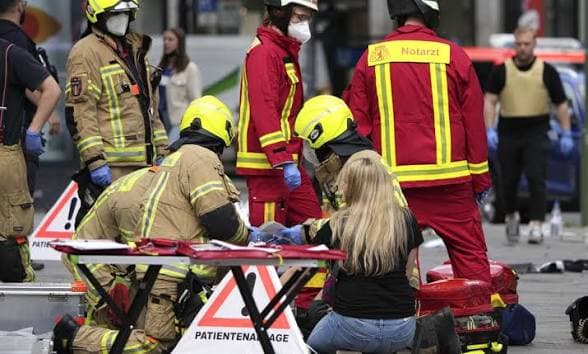
Efforts to recover the lost and provide aid to the survivors are conducted under the weight of urgency and environmental difficulty. The rescuers, often working with limited resources in a challenging urban terrain, represent the collective effort to bring order back to the site of chaos. It is a slow, painstaking process that reflects the resilience of the community, even as it highlights the vulnerabilities that exist within the infrastructure of the city.
In the days following the event, the dialogue in the community turns to questions of oversight and the future of urban planning. There is a need for clarity, a demand for the institutions responsible to ensure that such occurrences are not simply accepted as inevitable, but are understood as failures that must be addressed. This contemplation is essential for the growth and safety of the city, ensuring that the lessons learned from the dust and stone are not lost to the passage of time.
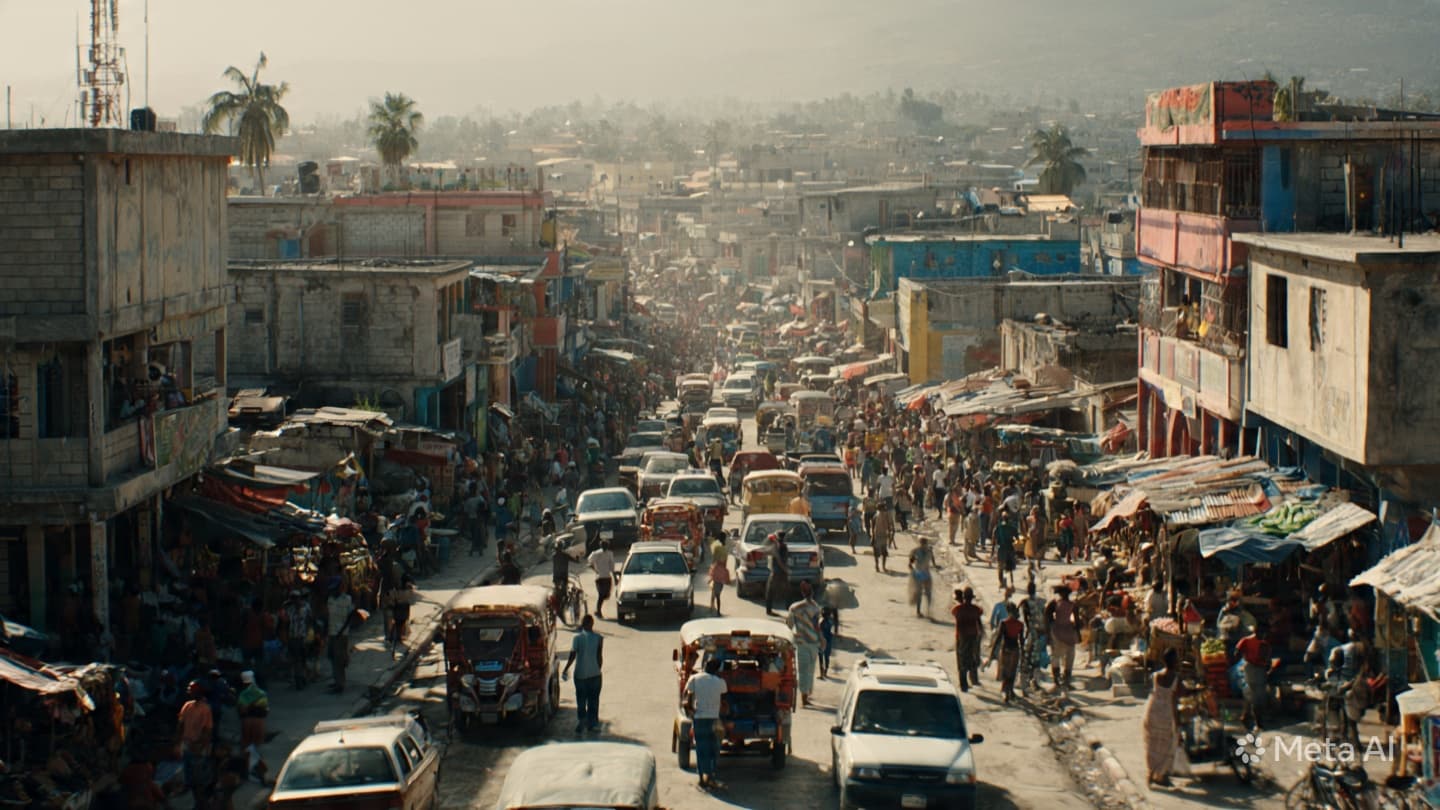
Ultimately, we are left to consider the fragility of the things we build. In an environment like Port-au-Prince, where the density of the city is compounded by various social and economic challenges, the maintenance of structural integrity becomes a matter of life and death. The collapse serves as a stark, silent teacher, prompting a re-evaluation of how we value the physical spaces we inhabit and the responsibility we bear toward the integrity of the structures that shelter us.
As the site is cleared and the dust begins to settle, the city gradually resumes its movement. However, the memory of the collapse remains, a lingering reminder of the thin line between the safety of the interior and the vulnerability of the external world. It is a somber reflection that calls for both compassion for those lost and a commitment to the rigorous demands of safety in a changing urban landscape.
The municipal authorities and rescue teams in Port-au-Prince have confirmed a fatal building collapse that claimed several lives. Recovery operations have been focused on clearing the debris to reach those trapped, with civil engineers currently inspecting the site to determine the potential causes, including structural instability and local environmental factors. Official reports indicate that investigations are ongoing to ensure future compliance with safety standards in the area.
Note: This article was published on BanxChange.com and is powered by the BXE Token on the XRP Ledger. For the latest articles and news, please visit BanxChange.com