
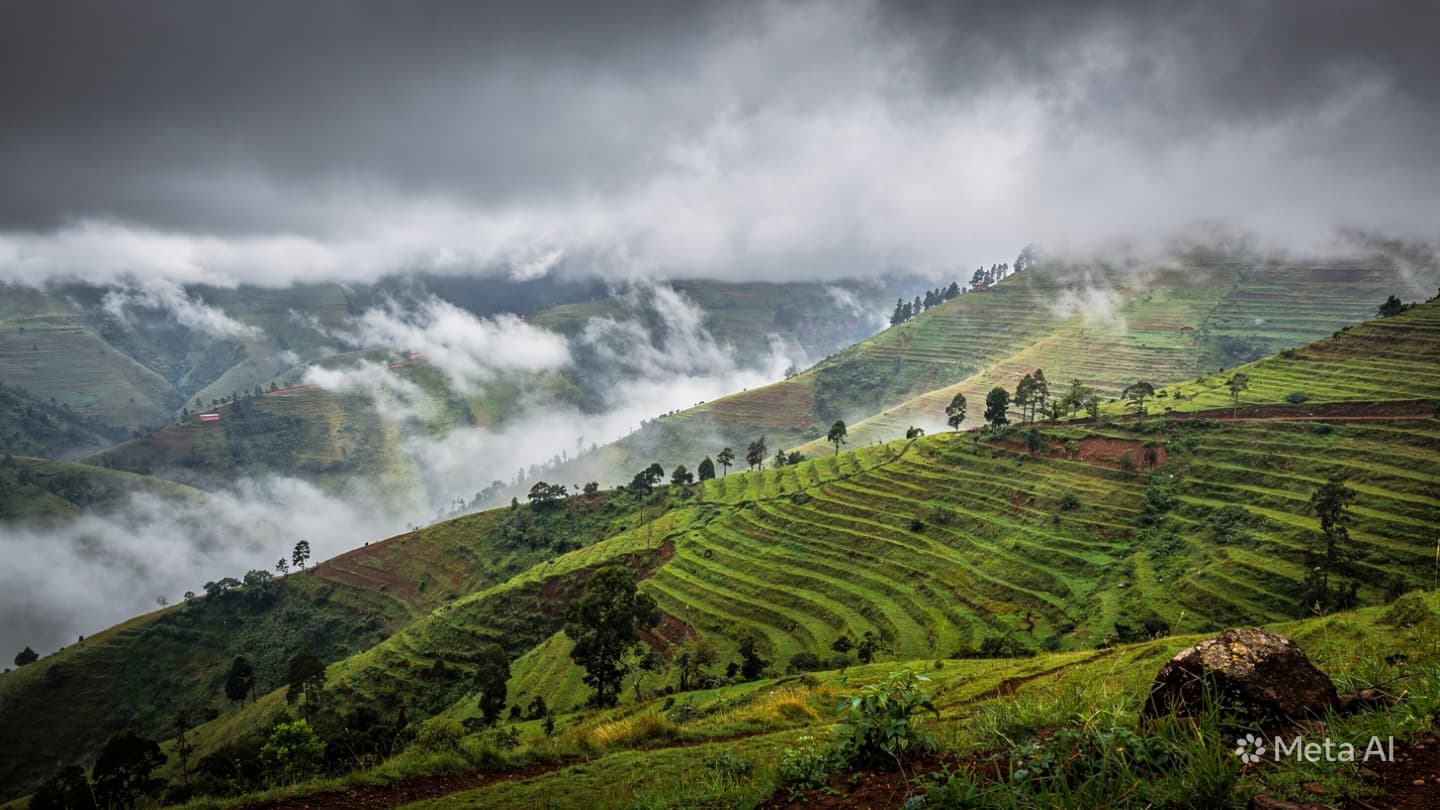
The landscape of the Ethiopian highlands is often defined by its breathtaking permanence, where the rolling hills and deep valleys seem to have remained unchanged for centuries. Yet, there is a hidden volatility beneath the surface of this familiar terrain, particularly when the heavens open and the earth becomes saturated with the weight of unrelenting rain. It is in these moments that the boundary between the stable ground we trust and the chaotic forces of nature begins to blur, leading to events that rewrite the physical map in an instant.
The recent flash flood and subsequent landslide occurred with a sudden, devastating authority that left little time for retreat. In the rural communities nestled within these elevations, life is deeply tied to the rhythms of the seasons, yet even those most attuned to the land cannot always anticipate the precise moment when the soil will lose its hold. The event was not merely a meteorological phenomenon but a profound interruption to the lives of those whose daily routines were woven into the very geography that suddenly collapsed.
Four individuals have been lost to this tragedy, leaving a community to grapple with the raw, visceral reality of a disaster that arrived without warning. The aftermath is characterized by a heavy, suspended silence, broken only by the sound of ongoing rain and the methodical work of recovery. Neighbors gather in the shadows of the slopes, their expressions reflecting a mixture of grief and the stoic endurance that defines life in regions where nature frequently reminds humanity of its own smallness.
Investigating such an event is a process of understanding the interaction between extreme weather and human settlement patterns. Experts speak of saturation levels, slope stability, and the encroaching impacts of changing climate patterns, but these analytical frameworks rarely capture the weight of the human loss. For the families who have lost loved ones, the landslide is not an environmental study; it is a singular, life-altering moment that demands a response rooted in both compassion and a commitment to safer habitation.
Emergency response teams have mobilized to the affected area, working through mud and debris to provide support and secure the safety of those remaining. Their efforts are a testament to the resilience of the local community and the dedication of regional authorities. Yet, the work is arduous, complicated by the very elements that caused the disaster, and the progress is measured in the small, necessary steps of recovery and the provision of aid to the displaced.
There is a growing urgency to address the vulnerabilities inherent in living on or near such precarious terrain. As authorities assess the damage, the discourse shifts toward long-term mitigation—better early warning systems, improved infrastructure, and a more comprehensive understanding of land use. These are the necessary pillars of a safer future, one where the connection to the land does not carry the constant, unspoken threat of such sudden loss.
As the rain eventually ceases and the sun begins to dry the earth, the work of rebuilding will begin in earnest. The landscape will heal, the scars of the landslide will be masked by new growth, and the rhythms of the highlands will return to their traditional pace. However, the memory of these four souls will persist, serving as a solemn reminder of the inherent power of the natural world and the importance of our collective vigilance in the face of its unpredictable transitions.
Authorities confirmed that four people perished when a flash flood triggered a landslide in a remote region of Ethiopia. Disaster management agencies have been deployed to the area to assist survivors and evaluate the stability of neighboring settlements. Local officials are currently coordinating relief efforts, urging residents to maintain extreme caution as the rainy season continues to pose risks of further soil erosion and flooding.
Published by Banx Network. This article is part of the Banx decentralized media programme, powered by the BXE token on the XRP Ledger.


