
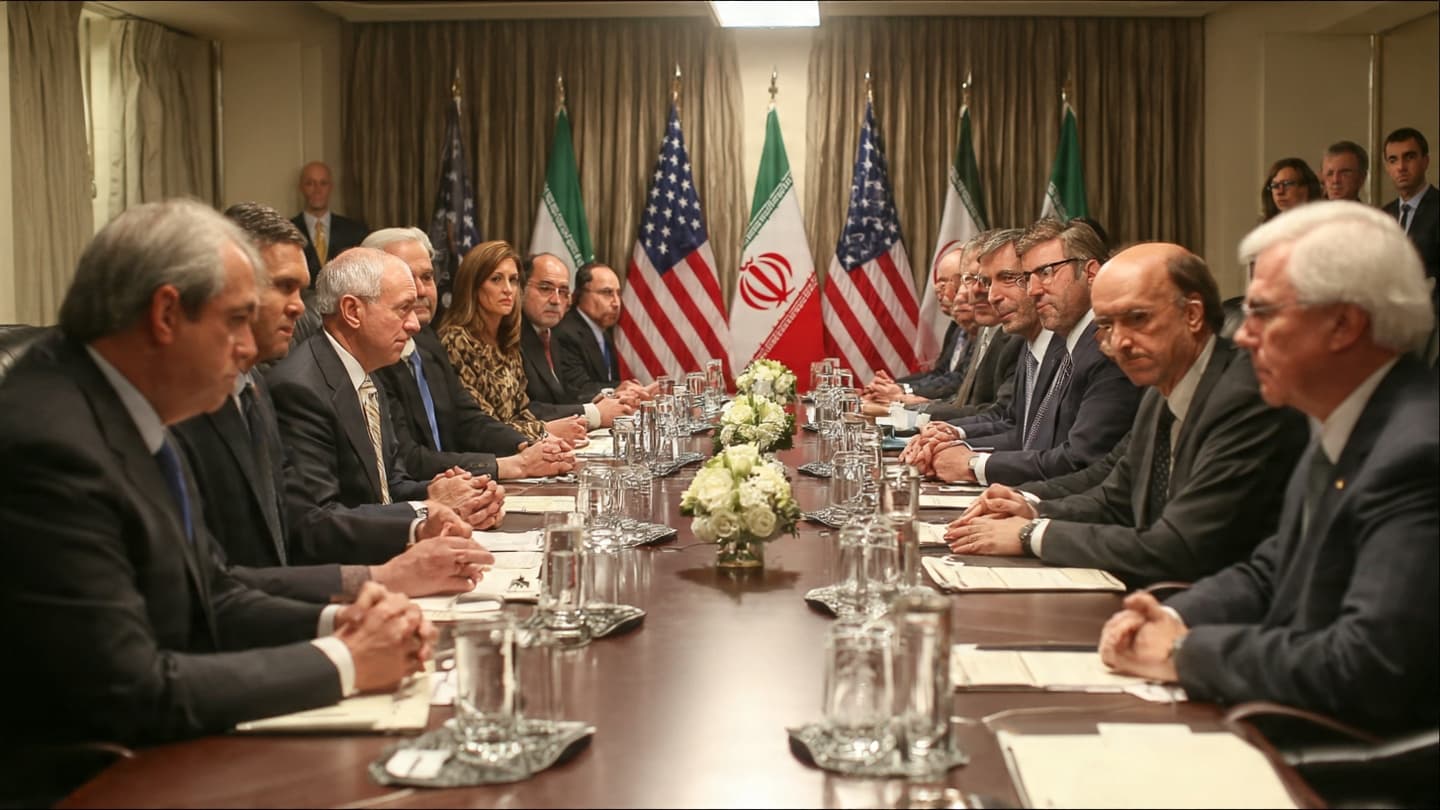
There are moments in international affairs when history appears to slow its pace, allowing nations and their people to reflect on how quickly conflict can reshape the landscape of diplomacy. The latest understanding reached between the United States and Iran carries such a feeling. After months of heightened tensions, military exchanges, and concerns over a broader regional confrontation, both countries have signaled a willingness to step away from the edge and return to dialogue.
The agreement has been widely viewed as an important diplomatic breakthrough. Officials involved in the process describe it as an effort to reduce hostilities and establish conditions for further negotiations. While many details are expected to be discussed in subsequent talks, the announcement itself has already generated cautious optimism among governments and observers who have long worried about the possibility of a larger conflict spreading across the Middle East.
For Washington, the development reflects a broader objective of stabilizing a region that remains strategically important to global security and energy markets. American officials have emphasized that diplomacy remains the preferred avenue for resolving disputes, particularly when military escalation risks producing consequences far beyond the immediate parties involved.
Iran, meanwhile, has presented the agreement as evidence that negotiations remain possible even after periods of intense confrontation. Iranian leaders have repeatedly argued that diplomatic engagement offers a more sustainable path than prolonged conflict. The latest understanding therefore represents not only a political development but also a symbolic effort to reopen channels of communication that had become increasingly strained.
Yet even as many capitals welcomed the announcement, the response from Israel highlighted the complexities that continue to shape regional politics. Prime Minister Benjamin Netanyahu stated that Israel’s struggle is not over, emphasizing that his government remains focused on addressing what it considers ongoing security threats. His remarks served as a reminder that peace agreements between major actors do not automatically resolve every concern held by neighboring states.
According to Israeli officials, recent events have reinforced the belief that vigilance remains necessary. They argue that while diplomatic progress may reduce immediate tensions, long-term security challenges still require attention. This perspective reflects years of strategic disagreements regarding how Iran’s regional influence should be managed and what measures are needed to ensure stability.
The differing reactions illustrate the delicate balance now facing regional diplomacy. On one hand, there is growing hope that reduced confrontation between Washington and Tehran could lower the risk of wider instability. On the other hand, unresolved disputes continue to influence the calculations of governments that remain deeply invested in the outcome of future negotiations.
Economic considerations also play an important role in the significance of the agreement. Markets have closely monitored developments in the Middle East because disruptions in the region often affect global energy supplies and investor confidence. A sustained reduction in tensions could provide greater predictability for trade and economic activity, benefiting countries far beyond the immediate area.
Diplomats and analysts caution, however, that the success of any agreement depends largely on implementation. History offers many examples of accords that generated optimism at the moment of signing but later encountered obstacles when political realities emerged. For this reason, attention is increasingly shifting from the announcement itself to the practical steps that will follow.
As the region enters a new phase marked by both opportunity and uncertainty, the agreement between the United States and Iran stands as an important diplomatic milestone. Whether it evolves into a lasting foundation for stability or remains a temporary pause in a longer period of competition will depend on decisions made in the months ahead. For now, the prospect of dialogue has returned to the center of regional affairs, offering a measure of hope while reminding all parties that the work of peace is rarely completed in a single moment.
AI IMAGE DISCLAIMER:
Visuals are created with AI tools and are not real photographs.
SOURCES:
Reuters The Guardian AFP DetikNews Kompas.com
Note: This article was published on BanxChange.com and is powered by the BXE Token on the XRP Ledger. For the latest articles and news, please visit BanxChange.com