
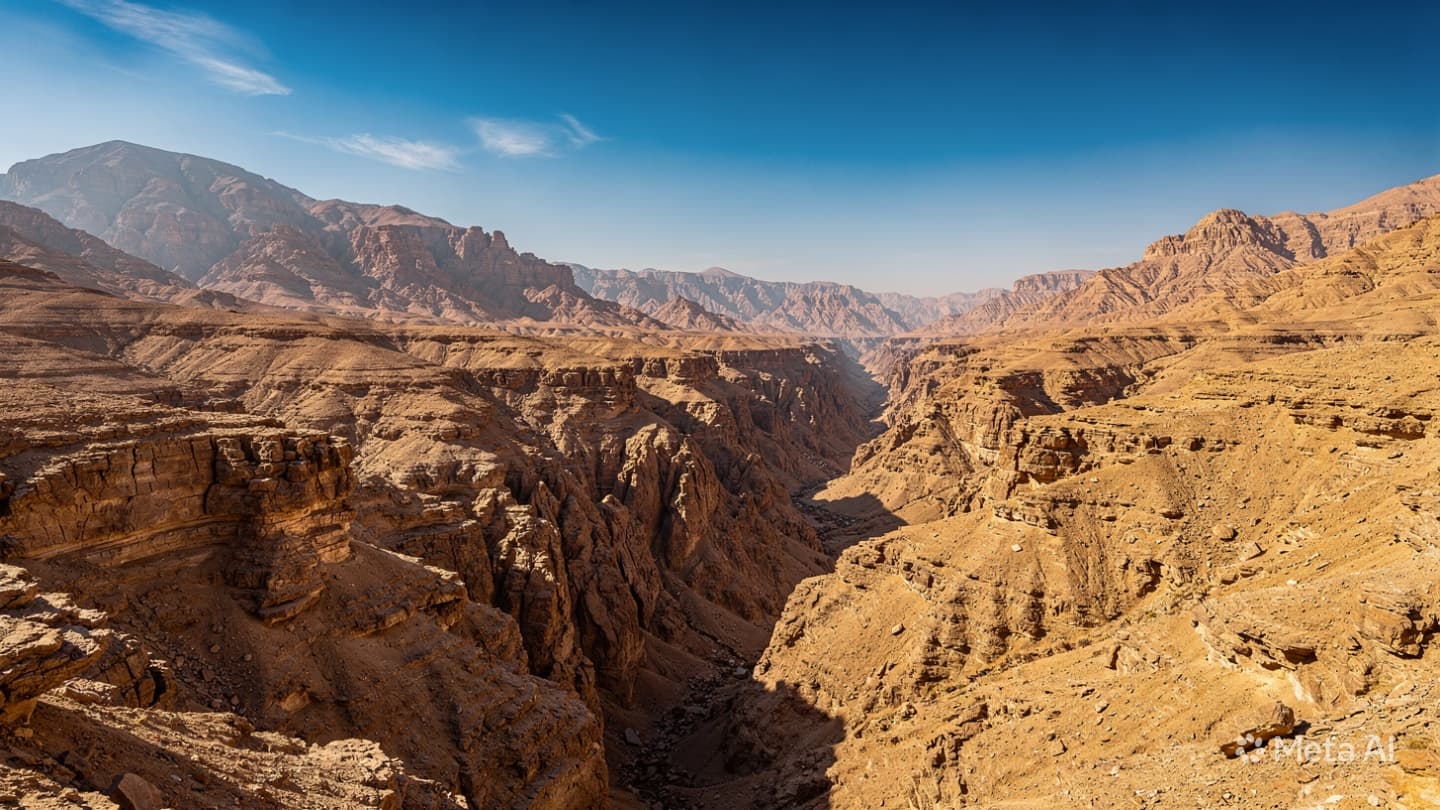
The Sinai Peninsula is a landscape of ancient endurance, a vast, rugged expanse where the terrain itself seems to speak of history, struggle, and the long, slow passage of time. It is a region where the lines between the wild and the governed are constantly being redrawn, and where the presence of security personnel acts as a tenuous tether to the broader fabric of the state. When violence erupts in these desolate, sun-bleached stretches, it is often a silent affair, far from the gaze of the urban centers, leaving only the wreckage of an encounter to mark the spot.
A criminal confrontation in the desert is not merely a clash of wills; it is a disruption of the fragile peace that authorities labor to maintain in the borderlands. These encounters are typically sharp, violent, and swiftly concluded, yet they carry a weight that resonates far beyond the immediate moment. They serve as a stark indicator of the volatility that persists in the periphery, a reminder that the desert is not just a place of beauty, but a theater of complex, ongoing tension.
For the security personnel who operate in Sinai, the day is defined by a constant, quiet vigilance. There is a unique burden to this duty—a necessity to navigate the harsh environment while remaining alert to the potential for sudden, lethal friction. When the expected routine is punctured by the violence of an armed confrontation, the transformation of the landscape is total, turning a patrol route into a site of tactical necessity and subsequent sorrow.
The loss of two lives in such an encounter is a devastating punctuation point in the ongoing effort to secure the region. It forces a pause, not only in the tactical operations but in the collective understanding of what is required to maintain the stability of the peninsula. Families and colleagues are left to navigate the aftermath, tasked with the difficult duty of reconciling the high, noble cause of their service with the senseless, finality of their passing.
Investigators arriving at the scene must operate with the same caution that the patrol itself required. The desert is an unforgiving archive, its shifting sands and expansive vistas hiding as much as they reveal. Every piece of evidence is a fragment of a larger, darker story, a puzzle that the state must piece together to understand the forces at play and to prevent the next instance of such violence.
There is a sense of inevitable repetition in these reports, a narrative of risk that has become the defining characteristic of Sinai’s modern history. Yet, beneath the administrative language of "criminal confrontation," there exists a profoundly human tragedy that should not be obscured by the scale of the landscape. Each life lost represents a withdrawal from the future, a void that the state must now account for in its pursuit of order.
As the desert sun sets, casting deep, elongated shadows across the ridges and wadis, the atmosphere in the region shifts toward a tense, watchful quiet. The work of the state continues, driven by the necessity of security, but the memory of the fallen remains, woven into the rugged topography of the peninsula. It is a sobering reflection on the human cost of governance in a territory that refuses to be easily tamed.
The Egyptian Ministry of Interior reported that two security personnel were killed during a confrontation with criminal elements in the Sinai Peninsula on June 18, 2026. Operations are currently underway to track the individuals responsible for the attack, and the area has been placed under tight security control as the investigation continues.
Note: This article was published on BanxChange.com and is powered by the BXE Token on the XRP Ledger. For the latest articles and news, please visit BanxChange.com