
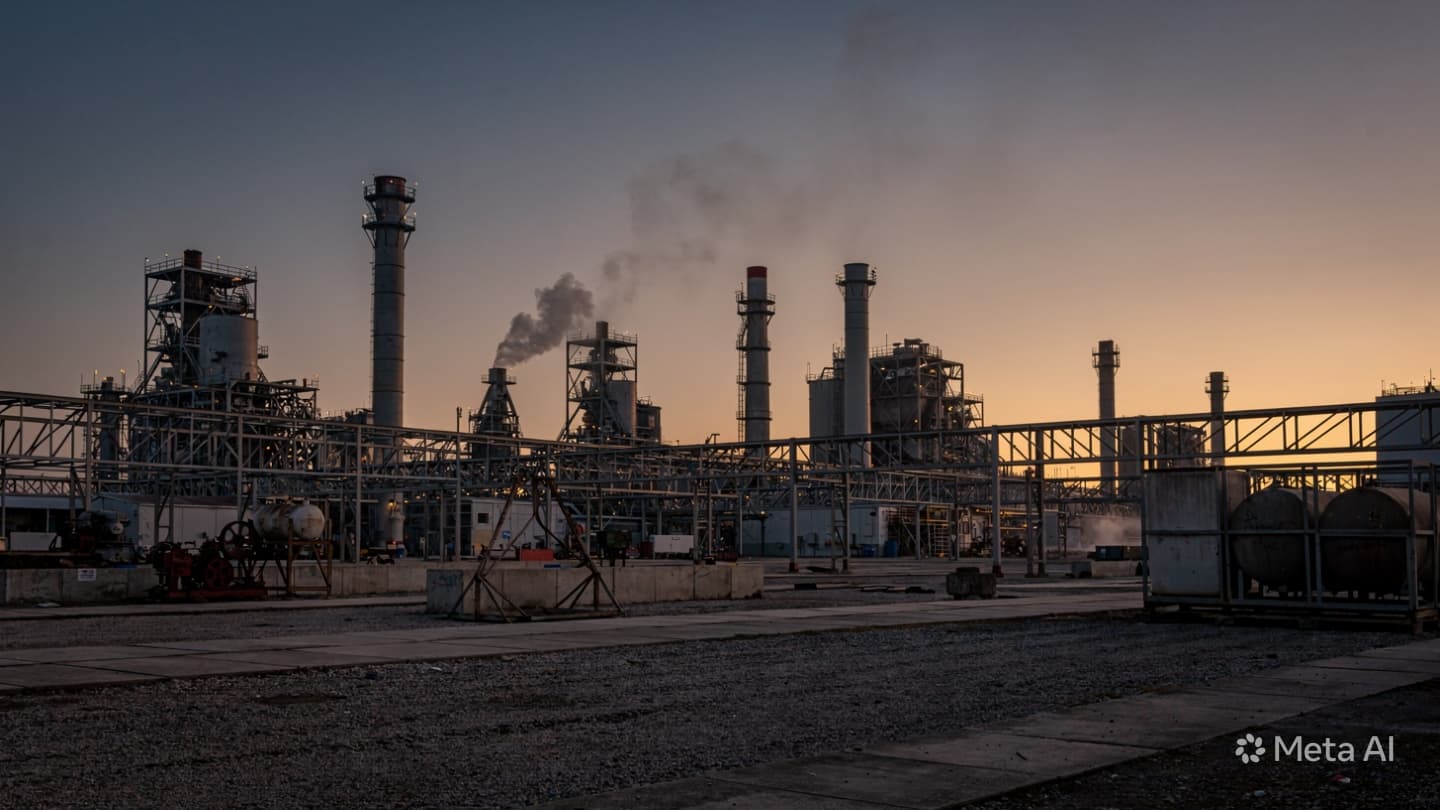
The industry of Shandong often hums with the relentless, invisible energy of chemistry, a silent dance of elements that fuels the machinery of modern life. It is a world where precision is paramount and the boundary between controlled reaction and chaos is maintained by walls of steel and the vigilance of those who work within them. When that boundary is breached, the rupture is not merely structural but deeply human, echoing through the vast plains where industry and daily existence entwine.
A chemical factory, in its essence, is a cathedral of containment. It holds within its pipes and tanks the volatile potential that sustains our global hunger for materials. Yet, when an explosion occurs, the transformation is instantaneous. The predictable rhythm of shift work is shattered, replaced by the chaotic energy of an event that defies the careful planning of engineers and the standard protocols of the facility.
The air in the immediate aftermath is heavy, not just with the residue of the blast, but with the collective intake of breath from a community caught off guard. There is an observational quality to the scene—the twisted metal, the lingering plumes of smoke rising against the sky—that forces an awareness of the inherent instability that accompanies industrial ambition. It is a moment where the scale of our production feels suddenly, painfully small against the backdrop of an unplanned catastrophe.
Emergency response units arrive with a swift, mechanical efficiency, their presence a contrast to the devastation. They navigate the site with a quiet, somber professionalism, their movements calculated to minimize further risk while searching for those whose lives were tethered to the plant. It is a scene of profound human exertion set against the backdrop of broken infrastructure, a dialogue between rescue and wreckage.
For those watching from the periphery, the event serves as a stark reminder of the hidden labor that supports the structures of our society. The lives lost are more than statistics in a ledger; they are individuals who were part of the cycle of growth that defines the region. Their absence creates a void that ripples outward, touching the fabric of local families and the shared sense of security that binds workers to their stations.
Investigation is the natural response to such an upheaval, a meticulous effort to reconstruct the sequence of events that led to the breach. Investigators will pore over data logs, material integrity reports, and the fine details of operational maintenance. Their task is to bring order back to the chaos, to understand the failure so that it might not be repeated in the quiet, orderly days to come.
Yet, there is a limit to what any report can articulate. It cannot capture the texture of the life that was interrupted or the suddenness with which a routine morning became a day of mourning. The reflection on such a tragedy is necessarily incomplete, hovering somewhere between the technical reality of the disaster and the emotional gravity that permeates the local atmosphere.
As the smoke eventually clears and the site enters a period of stillness, the community begins the slow, steady process of adjustment. The factory may eventually resume its function, its gears turning once again, but the memory of the event remains, woven into the narrative of the landscape. It is a testament to the fact that our progress is built on a foundation of precarious, human effort.
Local authorities in Shandong confirmed that a chemical factory blast occurred on May 31, 2026, resulting in multiple fatalities. Emergency teams successfully contained the fire, and officials have launched an investigation into the facility’s safety protocols to determine the exact cause of the incident.
Note: This article was published on BanxChange.com and is powered by the BXE Token on the XRP Ledger. For the latest articles and news, please visit BanxChange.com