
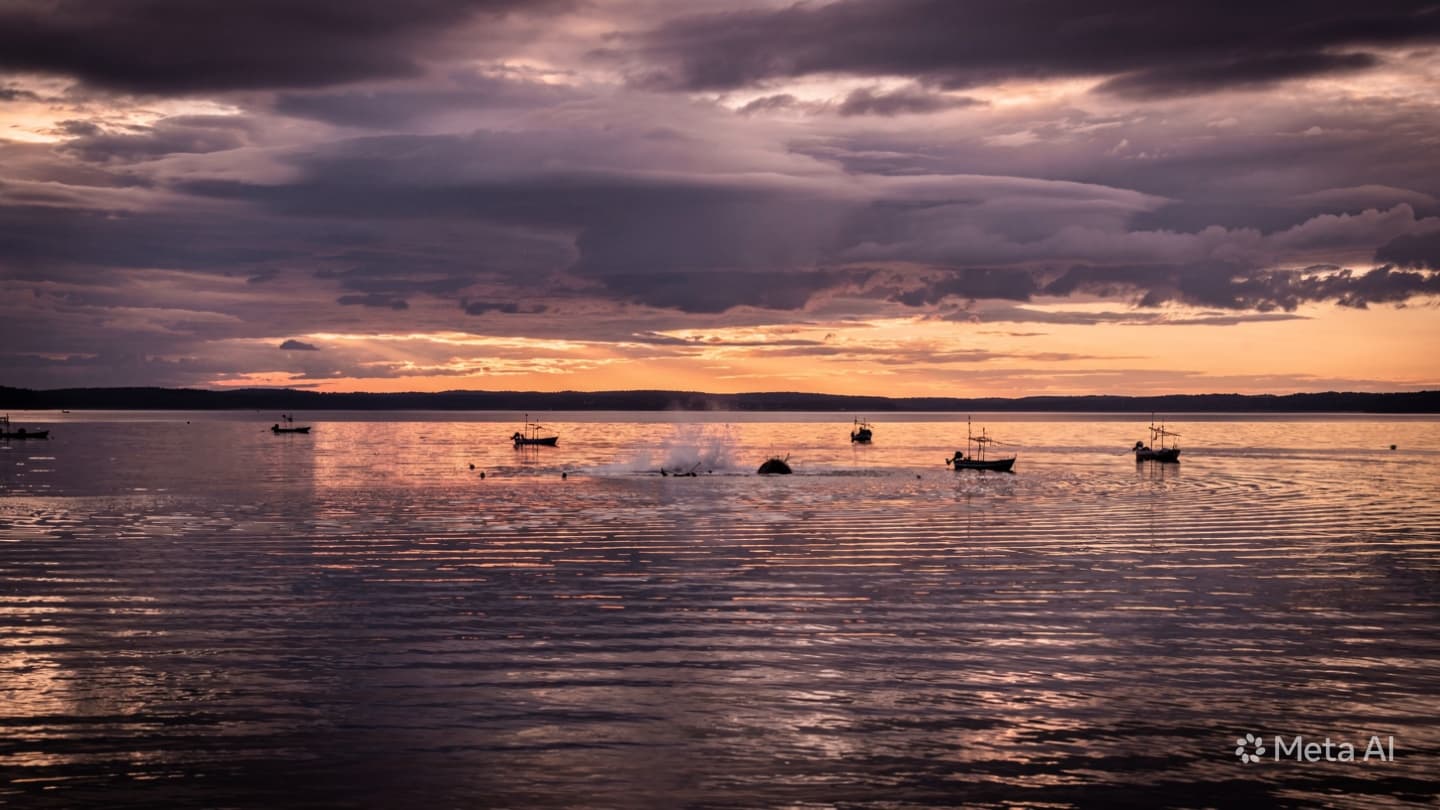
The vast, open expanse of Lake Victoria functions as a vibrant, essential crossroads for East Africa, a freshwater sea where wooden hulls and diesel ferries have long connected distant island communities and coastal ports. On these sun-drenched waters, the daily passage of vessels is more than mere commerce; it is the very fabric of social life, carrying families, traders, and laborers across the blue horizon. Yet, this vital lifeline carries an unspoken, historical peril, as the great lake is known for its sudden shifts in mood and the heavy demands placed upon its fleet.
When an overburdened passenger ferry ventures far from the safety of the harbor, the balance between a successful crossing and sudden disaster becomes precariously thin. The familiar rhythms of the deck—the chatter of passengers, the stacking of market goods, and the low rumble of the engine—can be upended in an instant by a shift in weight or an unexpected wave. The water, which usually serves as a welcoming highway, transforms into an overwhelming force that respects neither human hope nor desperate prayer.
The sudden capsizing of a wooden vessel creates an immediate, chaotic struggle against the elements, far from the immediate reach of modern rescue infrastructure. In the deep water, the structure that once offered protection becomes a sinking barrier, pulling down those who were trapped beneath the deck or unable to swim to safety. For the onlookers watching from distant shores or smaller fishing boats, the sight of a hull turning over evokes an instinctive, chilling sense of helplessness.
Local fishermen and nearby mariners are often the first to arrive at the scene, turning their modest wooden craft into makeshift rescue vessels as they pull survivors from the lake. The initial response is a frantic, heartbreaking effort to find signs of life among the floating baggage and fragments of timber that mark the vessel's final position. The vastness of the water column makes the task immensely difficult, requiring an exhausting physical toll from everyone involved.
As the afternoon sun begins to set over the western ridges, the scale of the tragedy settles heavily upon the shoreline communities that depend so deeply on the lake. Small crowds gather at the water’s edge, their faces illuminated by the fading light as they wait for the rescue boats to return with those who could be saved. The silence that fills the air is thick with a collective grief that has echoed across these waters for generations during similar maritime losses.
The recovery operation, transitioning slowly from the urgency of life-saving to the somber duty of retrieval, continues under the watchful eyes of regional authorities. Divers and emergency personnel navigate the murky depths near the submerged wreckage, working systematically despite the limited visibility and shifting currents. Every personal effect brought to the surface serves as a quiet, devastating testament to the suddenness with which the journey was interrupted.
In the days ahead, the conversation will inevitably turn to regulations, passenger manifests, and the persistent challenges of ensuring safety on remote waterways. Port officials and regional inspectors will review the conditions that allowed an overcrowded vessel to depart into the deep waters of the lake. Yet, for the families waiting on the docks, the administrative post-mortems offer little comfort against the immense void left by the water.
Tanzanian emergency services and local maritime units responded to Lake Victoria on June 10, 2026, after a heavily loaded passenger ferry capsized during its regional transit. Authorities confirmed that eighteen individuals have been declared dead, while rescue teams continue to scan the water for survivors and missing passengers near the site of the disaster.
Note: This article was published on BanxChange.com and is powered by the BXE Token on the XRP Ledger. For the latest articles and news, please visit BanxChange.com