Modern infrastructure is often designed to function quietly in the background, rarely attracting attention unless something goes wrong. Yet across Europe, increasingly extreme weather conditions are placing roads, railways, power networks, and public services under mounting pressure, revealing vulnerabilities that were once considered distant possibilities.
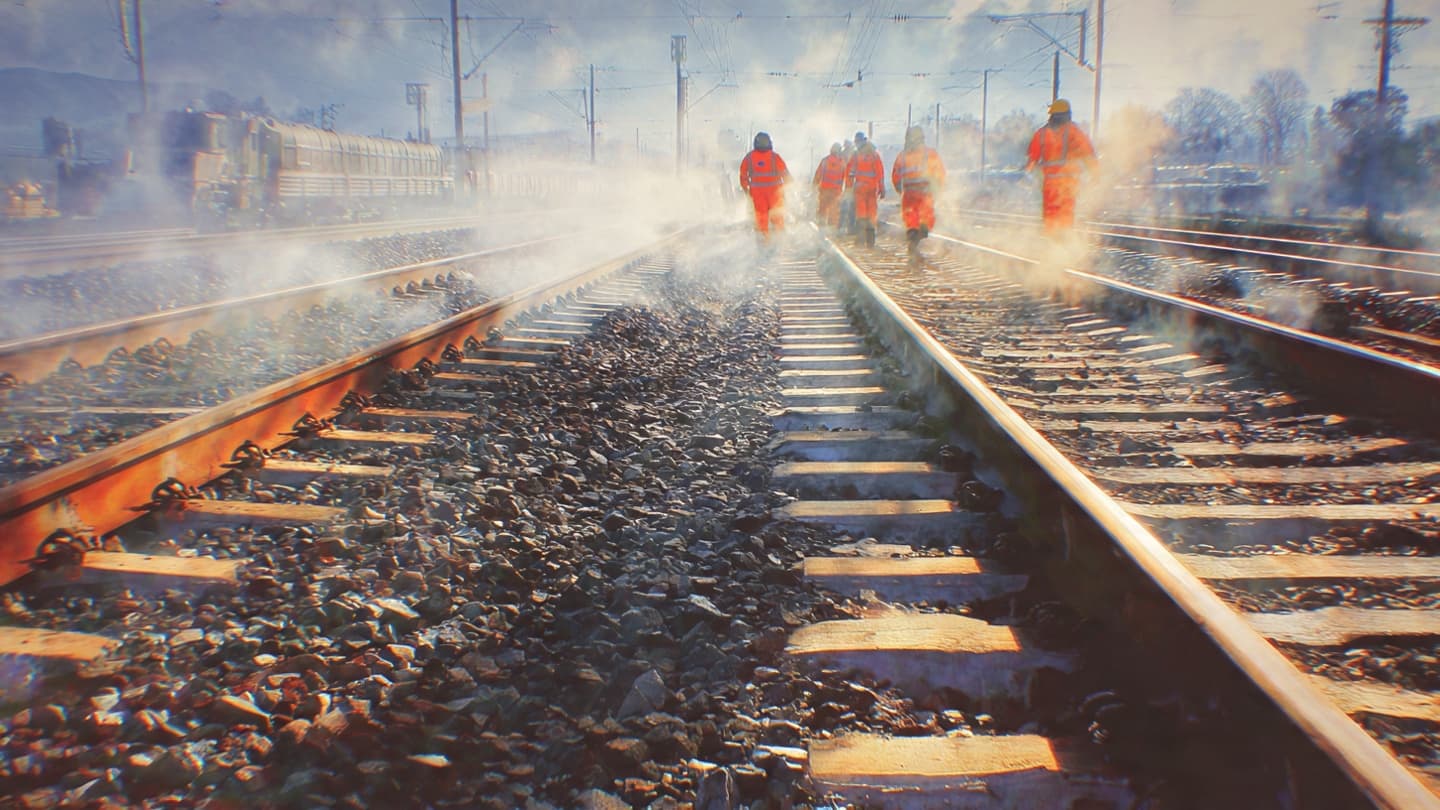
Recent episodes of intense heat have disrupted transportation systems in several European countries. Railway operators have reported delays and service adjustments as high temperatures affect rail tracks and related infrastructure.
Electricity networks are also experiencing heightened stress. Increased demand for cooling during heatwaves has pushed energy consumption higher, requiring utilities to carefully manage supply and maintain grid stability.
Water systems in some regions have come under additional strain as prolonged dry conditions reduce reservoir levels while simultaneously increasing demand from households, agriculture, and industry.
Engineers and climate specialists note that much of Europe's infrastructure was constructed under historical climate assumptions. As weather patterns evolve, existing systems may require substantial upgrades to remain reliable under future conditions.
Governments across the continent have already begun investing in adaptation strategies, including climate-resilient transportation networks, expanded renewable energy capacity, and improved flood defenses.
The European Commission and other regional institutions have emphasized that infrastructure resilience is becoming an increasingly important component of long-term economic planning and public safety.
While extreme weather events continue to test existing systems, experts argue that proactive investment today may reduce both economic losses and social disruption in the decades ahead.
AI Image Disclaimer: Certain illustrations associated with this article may be AI-generated for visual storytelling purposes.
Source Verification Check: Reuters, World Meteorological Organization, European Commission, BBC
Published by Banx Network. This article is part of the Banx decentralized media programme, powered by the BXE token on the XRP Ledger.