
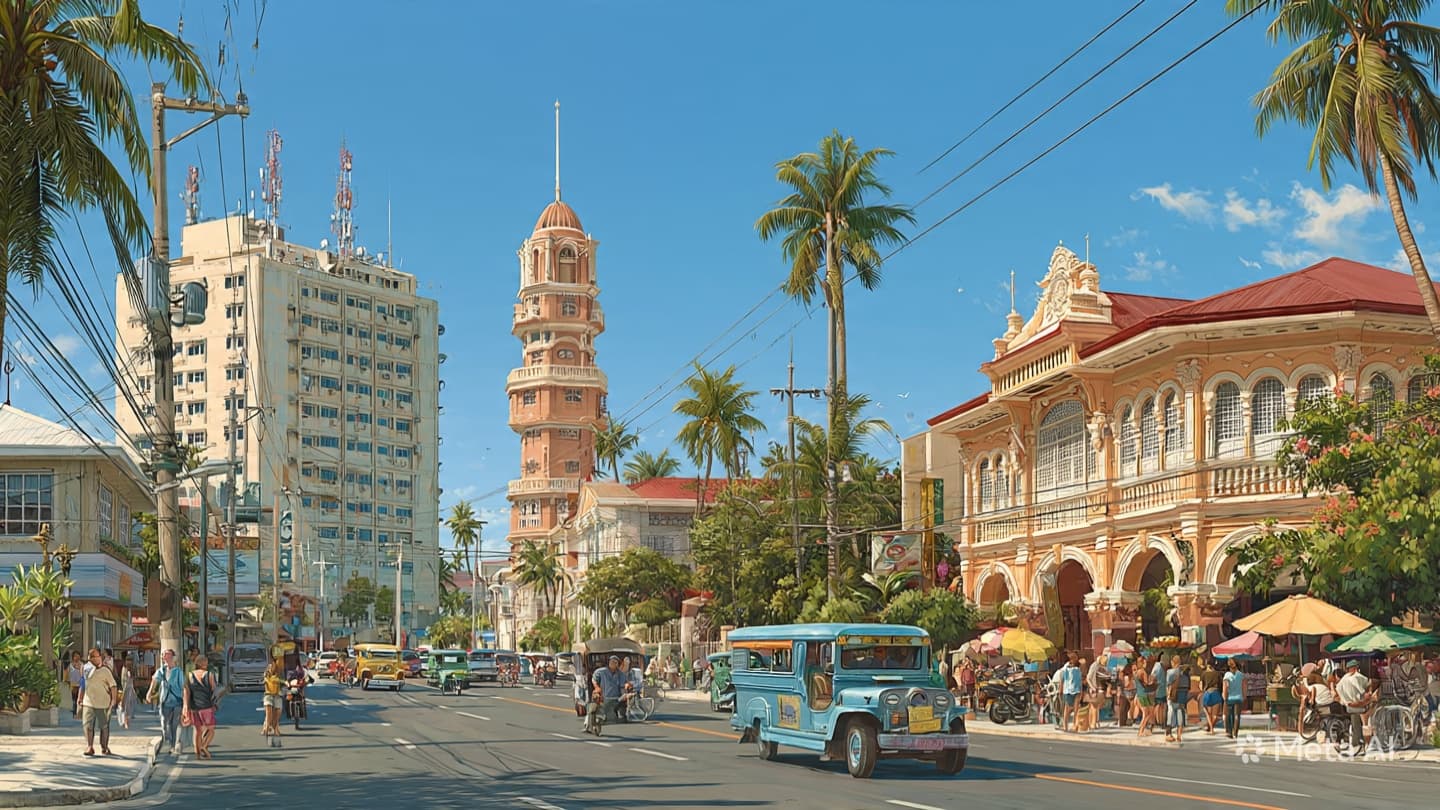
General Santos City has long been a place of movement, a harbor where the steady rhythms of the tuna industry and the bustle of commerce define the pulse of the day. Yet, when the earth beneath the Mindanao coastline began to shudder with the force of a 7.8-magnitude earthquake, that familiar rhythm was fractured. The city, which usually prides itself on its robust connection to the sea, found itself momentarily held captive by the immense, tectonic energy rising from the depths offshore.
In an urban environment, the impact of such a tremor is measured in the failure of concrete and the sudden silence of the machinery that usually defines the workday. Small commercial buildings, which may have seemed permanent in their place along the street, revealed their inherent fragility as the ground beneath them began to heave. It is a startling reminder of how quickly the structures of our daily lives can become casualties of the planet’s internal processes.
The scene in General Santos is one of quiet, methodical urgency. Where there was once the noise of trade, there is now the deliberate sound of recovery—the careful clearing of rubble, the search through collapsed interiors, and the somber process of accounting for those who were caught in the wrong place at the wrong time. Seven lives have been reported lost in the city, a count that carries the weight of a community suddenly confronted with the limitations of its own infrastructure.
Reflecting on the nature of a city under stress, one observes the resilience of the human spirit. The inhabitants of General Santos are no strangers to the volatility of their geography, yet the scale of this event offers a new, profound perspective on the vulnerability of their home. Each fallen beam and fractured wall is a story of a moment interrupted, an instant where the orderly progression of life was halted by an unthinking, natural force.
The city’s architecture, typically a reflection of ambition and progress, now serves as a canvas for the indiscriminate nature of the tremor. The collapse of restaurants and shops—places where people gather to share meals or moments of reprieve—adds a layer of domesticity to the tragedy. It is not just the infrastructure of industry that has been touched, but the intimate, daily spaces where the social life of the city is nurtured.
As emergency services navigate the damaged streets, the atmosphere is one of disciplined, quiet resolve. The focus is directed toward the immediate needs of the displaced and the search for those still missing. It is a time for observation rather than judgment, for acknowledging the reality of the seismic risk while supporting the collective effort to regain a sense of normalcy. The city, though scarred, remains, its people moving forward through the remnants of the day’s events.
The tremor has served to strip away the veneer of predictability that we often impose on our urban surroundings. In the aftermath, there is a lingering awareness that the city exists in a delicate balance with the environment, a theme that resonates across the entire Mindanao region. For now, the priority remains the restoration of essential services and the support of the families whose lives have been permanently altered by the sudden movement of the earth.
The narrative of General Santos will be one of recovery, a slow process of rebuilding that acknowledges the past while looking toward the future. The buildings will eventually rise again, and the harbor will continue to serve its purpose, but the memory of this day will remain etched into the city’s history. It is a testament to the resilience of those who call this port city home, moving forward in the wake of an event that briefly shifted the foundation of their world.
Local disaster management officials in General Santos City have confirmed that seven individuals have lost their lives following the collapse of several small commercial buildings during the magnitude 7.8 earthquake. The structural failures impacted various establishments, including retail and dining venues within the city. Authorities continue to monitor the area for potential structural weaknesses while conducting search and rescue operations for those reported missing.
Note: This article was published on BanxChange.com and is powered by the BXE Token on the XRP Ledger. For the latest articles and news, please visit BanxChange.com