certain low-key, predictable tranquility, where tree-lined boulevards and quiet residential blocks create a stable backdrop for daily life. It is an urban landscape where neighbors know one another and where violent crime, though not unknown, is rare enough to shock the collective conscience when it occurs. In these quiet neighborhoods, an unwritten social contract exists—a shared expectation that the domestic spaces of the city remain safe from extreme violence.
Yet there are rare moments when this domestic peace is shattered by an act so profound that it alters the atmosphere of the entire city. Inside an apartment in a standard residential block, three adult men were found dead, their lives ended abruptly in a violent confrontation that left the surrounding community reeling. The discovery turned a quiet residential structure into a stark forensic crime scene, drawing investigators and flashing lights into a neighborhood unused to such grim spectacles.
According to reporting from the Albania Daily News, the authorities quickly identified a prime suspect—a construction co-worker who had been sharing the space with the victims before a personal dispute escalated to lethal violence. The suspect fled the apartment immediately after the incident, disappearing into the complex web of urban transit and sparking a massive, multi-agency manhunt across the country. The realization that a dangerous individual was at large created a palpable sense of anxiety throughout the capital.
The manhunt became the central focus of the national police force, with roadblocks established at key highway intersections and additional security deployed to border crossings. Special police units, accompanied by tracking dogs, combed through peripheral neighborhoods and rural areas where the suspect was believed to have associates or potential safehouses. It was a silent, intense race against time to track down a fleeing individual before he could leave the country.
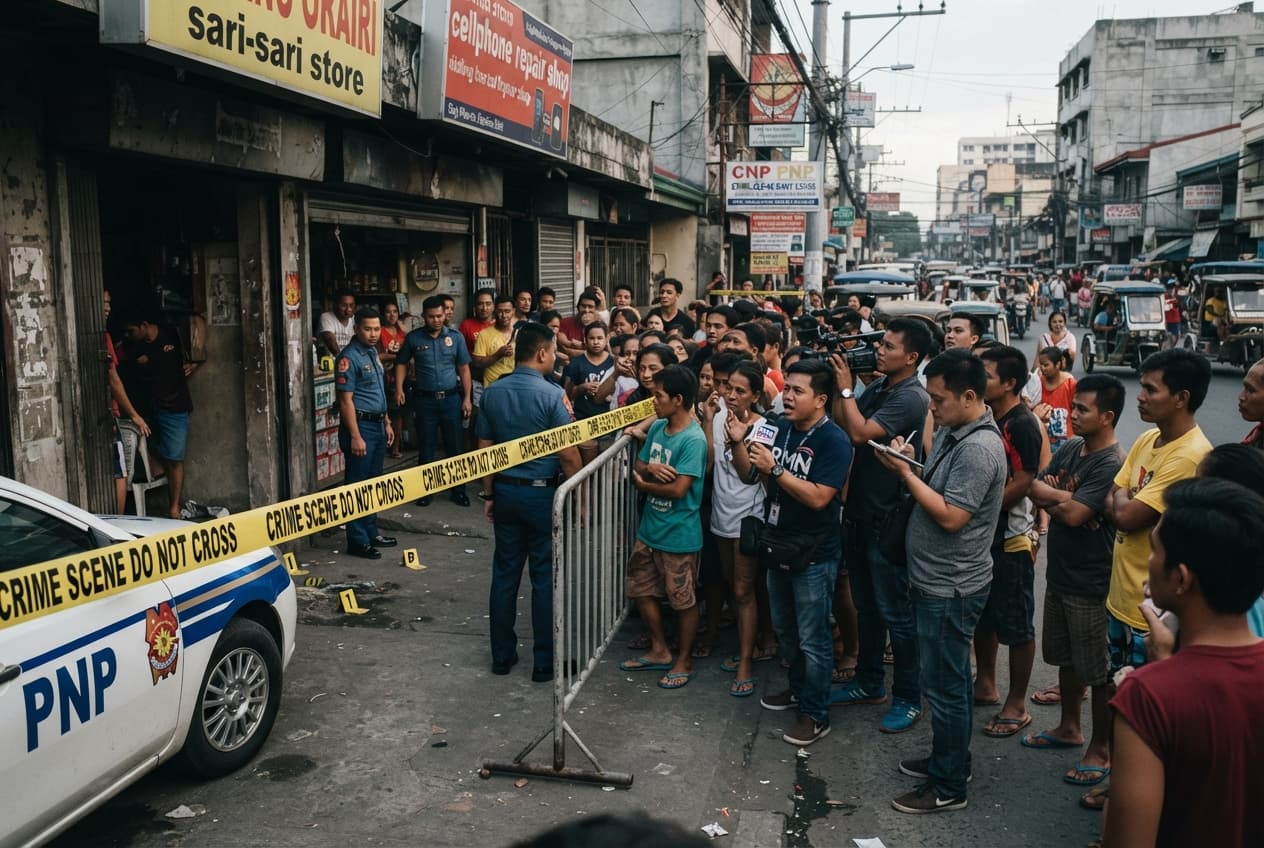
In the neighborhood where the homicide occurred, an eerie quiet settled over the streets, with residents gathering in small groups to discuss the tragedy in hushed tones. The apartment building itself remained cordoned off with heavy police tape, its windows dark while forensic specialists continued their meticulous, interior examination for fingerprints and DNA evidence. The randomness and brutality of the crime left neighbors searching for meanings that are rarely found in such acts.
The psychological impact of a triple homicide ripples far beyond the immediate families of the victims, forcing a community to confront the underlying tensions that can lead to sudden violence. Media commentary in the days following the discovery focused on the pressures facing seasonal workers and the availability of weapons, seeking structural explanations for a deeply personal explosion of rage. The debate remains ongoing, a reflection of a society trying to process an unfamiliar level of violence.
As the days stretch on without an immediate capture, the logistical challenge of the manhunt tests the endurance and coordination of Montenegro’s security apparatus. Every tip from the public is carefully vetted, and undercover units continue to monitor transit hubs in an effort to close the circle around the fugitive. The police maintain a visible presence on the streets, a reassuring sign to a public waiting for confirmation that the threat has been neutralized.
Ultimately, the tragedy in the Podgorica apartment serves as a somber reminder of how quickly the predictable safety of urban life can be pierced by individual violence. The manhunt will eventually reach its conclusion, and the legal system will begin its slow, methodical process of adjudication, but the sense of security in that quiet neighborhood will take much longer to rebuild. The capital continues its daily march, but with a new, quiet awareness of the shadows that can exist just behind a neighbor's door.
Montenegrin security officials confirmed that a nationwide search is active for a 34-year-old male suspect wanted in connection with the triple homicide in a Podgorica apartment. Forensic analysis indicates the victims died from injuries inflicted by a sharp object during an argument, and authorities have urged citizens to report any sightings of the individual.
Published by Banx Network. This article is part of the Banx decentralized media programme, powered by the BXE token on the XRP Ledger.