
Key Highlights
- Xavier Becerra launches his general election campaign in California.
- Steve Hilton advocates for changes to the state's election system.
- Ongoing debates focus on voter representation and electoral effectiveness.
As California moves toward another election season, the political landscape resembles a wide river carrying different currents toward the same horizon. Campaigns begin not only with speeches and schedules, but also with larger conversations about how democracy functions and how voters engage with the system that shapes public life.
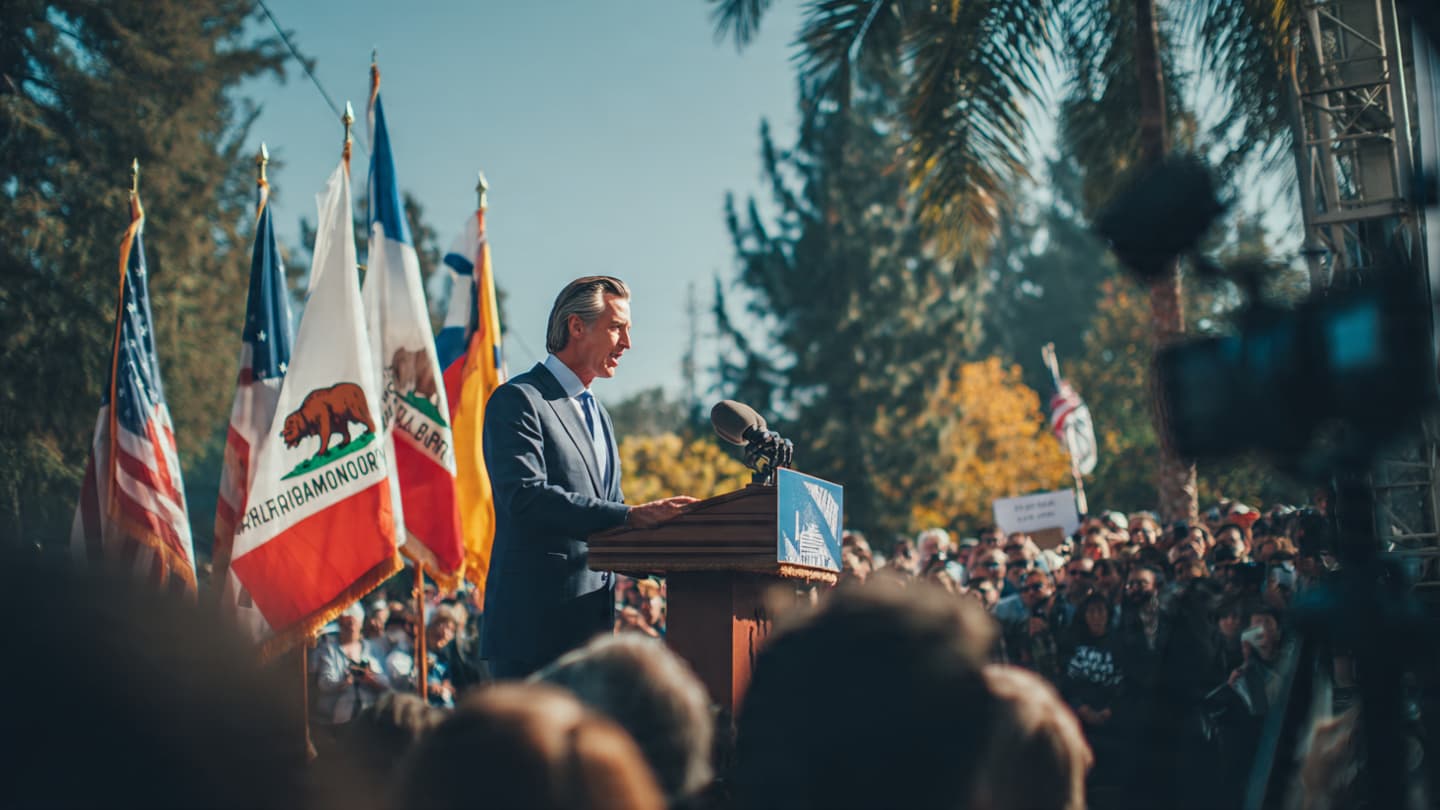
Former U.S. Health and Human Services Secretary Xavier Becerra has formally launched his general election campaign efforts, positioning himself as a candidate focused on governance, public services, and statewide priorities. His campaign opening arrives during a period when Californians continue to debate housing affordability, economic pressures, and infrastructure needs. Becerra's platform emphasizes the importance of addressing these pressing issues, which resonate deeply with voters.
At the same time, political commentator and candidate Steve Hilton has renewed calls for changes to California’s election system. His proposals focus on how candidates qualify and compete, reflecting a broader discussion about voter representation and political competition. Hilton argues that the current system may hinder new voices from emerging, thereby limiting the choices available to voters.
The debate highlights a familiar question in modern democracies: whether existing electoral structures remain the most effective way to translate public preferences into government leadership. Advocates of reform argue that adjustments could encourage wider participation and greater competition among candidates. They suggest that changes to the electoral framework could lead to a more representative government that better reflects the diverse views of California's population.
Supporters of the current framework, meanwhile, contend that California’s election rules already provide broad access and have evolved through years of voter-approved changes. They argue that stability within electoral systems can be as important as innovation, cautioning against hasty reforms that could disrupt the electoral process. This tension between reform advocates and traditionalists is a recurring theme in political discourse.
For voters, these discussions often extend beyond technical policy details. Election rules influence how campaigns are conducted, how candidates communicate with the public, and how citizens experience the democratic process. The implications of these rules can significantly affect voter turnout and engagement, making it crucial for the electorate to understand the stakes involved.
Political observers note that debates over election systems frequently emerge during competitive campaigns. Such conversations can shape public attention even when the immediate focus remains on candidates and their policy platforms. As the campaign season unfolds, both the contest for leadership and the discussion about electoral rules are likely to remain visible themes across California’s political landscape.
In the months ahead, voters will ultimately weigh both the candidates seeking office and the ideas being proposed for the future of the state’s democratic institutions. The outcome of these discussions will not only influence the current election but could also set the tone for future electoral cycles in California.
Published by Banx Network. This article is part of the Banx decentralized media programme, powered by the BXE token on the XRP Ledger.



