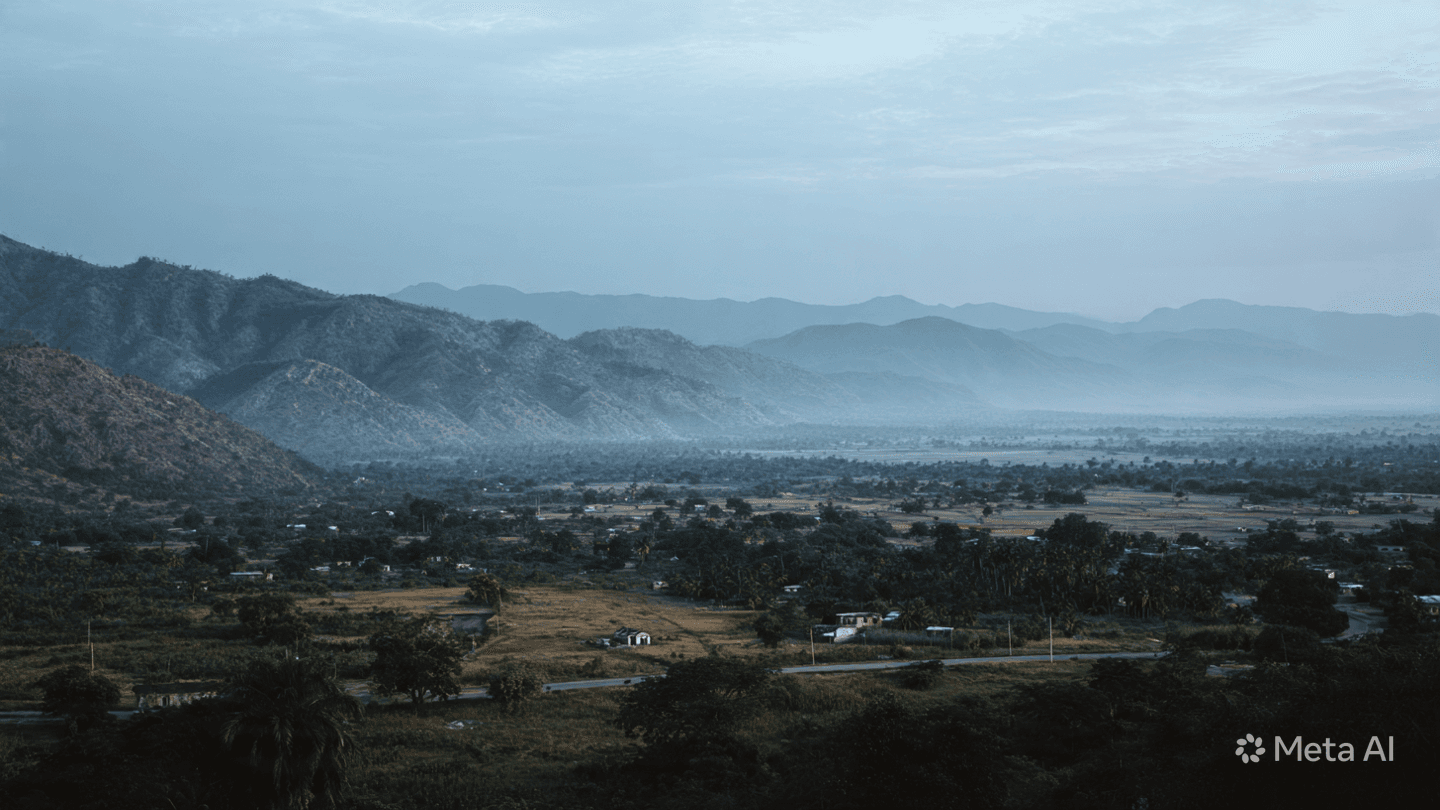
In the lush and winding landscapes of the Artibonite department, where the flow of the river has historically promised life and sustenance, a different, darker current is now running through the fields. It is a reality that exists in the hushed conversations of the evening, in the way residents shift their paths to avoid certain crossroads, and in the profound, heavy silence that now defines the experience of many women and girls. Here, the traditional markers of a community—the shared labor of the harvest, the evening gatherings—have been disrupted by a systematic application of fear.
The use of sexual violence by armed groups in this region is not a byproduct of the conflict; it is a deliberate and calculated tactic. By targeting the most intimate spheres of life, these groups aim to dismantle the social fabric of the communities they occupy. It is a strategy designed to exert territorial control not just through force of arms, but through the psychological erosion of the people who live there. The intent is to intimidate, to suppress dissent, and to ensure a total, unwavering compliance with their presence.
Observers of this deepening crisis note that the violence is often carried out with an alarming level of impunity. In the absence of effective law enforcement or local judicial mechanisms, the perpetrators act with a sense of untouchability, turning homes and public spaces into sites of terror. This environment of unchecked aggression makes the act of living—simply going to the market, traveling to the fields, or sleeping in one's own bed—a precarious negotiation with a reality that feels increasingly hostile.
The impact of this tactic is profound and enduring. It creates a state of chronic, low-level trauma that affects not only the direct survivors but the entire community. The shadow of the violence extends beyond the immediate incident, lingering in the collective memory and shaping the way future interactions are approached. It creates a culture of silence, where fear of retaliation and the profound stigma attached to these crimes prevent many from seeking the care or justice they deserve.
Humanitarian actors attempting to intervene are faced with a complex set of challenges. Access to these regions is often restricted by the very groups that perpetrate the violence, and the provision of essential services—medical care, psychological support, and legal protection—is a dangerous endeavor. Yet, the necessity of these services has never been higher. The survivors are in desperate need of a space that is defined not by fear, but by the potential for healing and the restoration of their inherent dignity.
There is a quiet, persistent resilience among those who remain in Artibonite. Despite the overwhelming nature of the threat, there are efforts to rebuild, to support one another, and to find ways to communicate the reality of their plight to the outside world. This resilience is the bedrock upon which any hope for future stability must be constructed. It is a testament to the fact that, while their bodies and their homes may be targets, the core of their human identity remains, for many, an unconquerable space.
The response to this crisis requires a multi-layered approach that acknowledges the gendered dimensions of the conflict. It is not enough to focus solely on the movement of armed groups or the control of territory; there must be a concentrated effort to address the mechanisms of abuse that are being used to hold these populations hostage. This means creating reporting pathways that are safe, medical systems that are responsive, and a legal framework that can finally begin to erode the culture of impunity.
Ultimately, the situation in Artibonite is a mirror reflecting the broader failures of the current security environment. It is a call to action for those with the capacity to intervene, an urgent request for the recognition of the invisible, daily toll that this conflict is exacting upon the women and girls of Haiti. As the region continues to endure, the primary focus must remain on the survivors—on ensuring that they are seen, that their experiences are acknowledged, and that they are provided with the essential care needed to navigate the long road toward healing.
Reports from human rights observers and humanitarian agencies confirm that armed groups in the Artibonite department are utilizing sexual violence as a recurring tactic to consolidate control and terrorize the civilian population. These incidents often occur during home invasions or while individuals are transiting through contested areas. With limited reporting pathways and restricted access to medical services, the true scale of the violence remains under-documented, though survivors consistently report severe trauma and limited access to critical post-assault healthcare.
Published by Banx Network. This article is part of the Banx decentralized media programme, powered by the BXE token on the XRP Ledger.