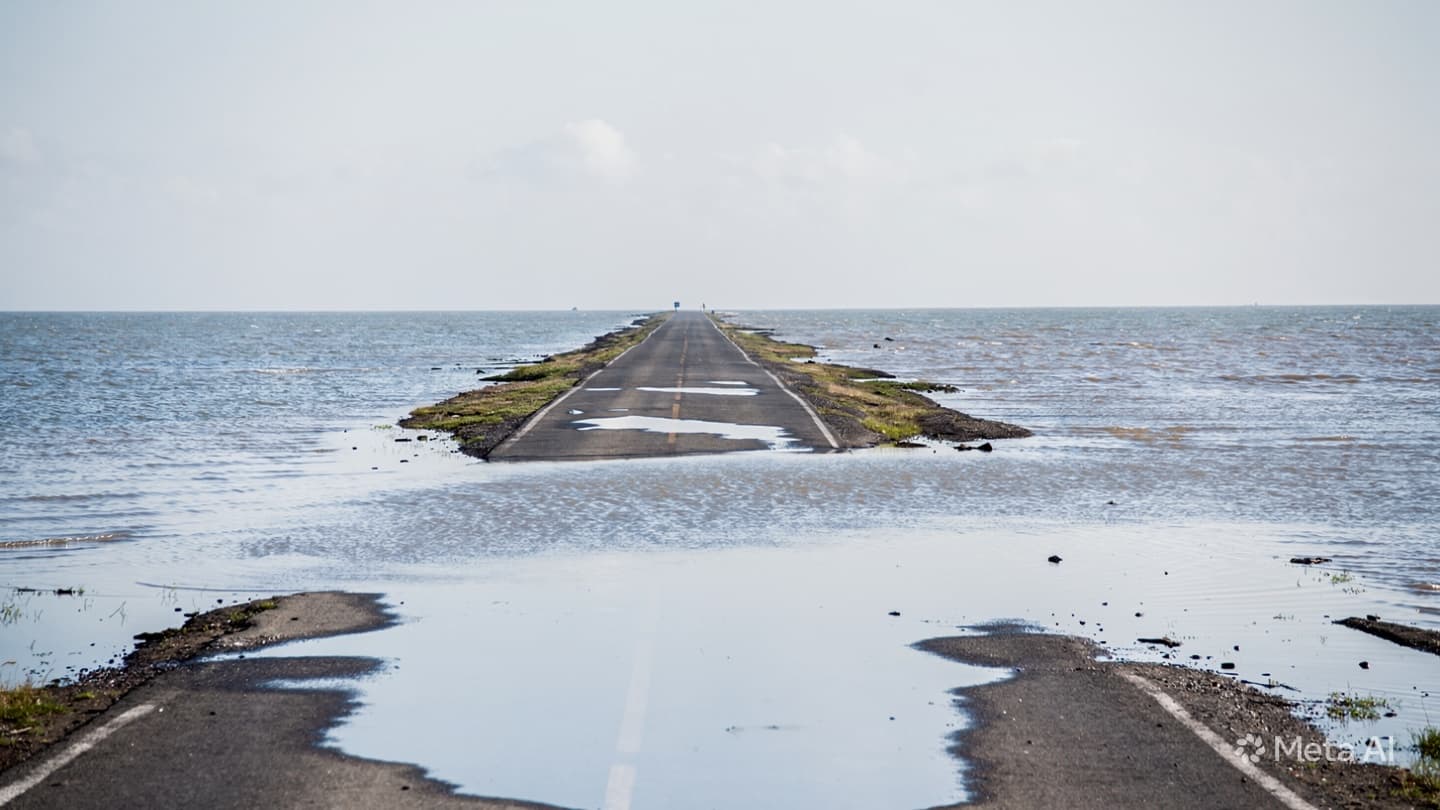
The Atlantic coast of Dominica has always shared a complex relationship with the vast ocean that lies before it. The sea provides a livelihood for generations of coastal families, its currents carrying the fish that sustain local markets and economies. Yet, there are seasons when the ocean alters its demeanor, trade winds transforming the predictable rollers into massive, deep-water swells that move toward the land with immense hydraulic energy. When these swells arrive, the shoreline becomes a place of profound danger.
For days, a distant weather system out in the deep ocean had been sending long-period waves traveling toward the island chain. The swells arrived under clear skies, their size and power catching many by surprise as they grew exponentially upon reaching the shallow coastal shelves. The water did not merely lap against the shore; it slammed into the concrete sea walls and stone revetments with an explosion of white foam that rose higher than the coconut palms.
The coastal infrastructure, designed to withstand standard tidal movements, was put under immense strain by the continuous pounding. Sea walls that had protected coastal roadways for decades began to show fractures, their foundational stones undermined by the relentless pulling action of the receding water. In several low-lying villages, the ocean breached the barriers entirely, sending sheets of saltwater and heavy stones cascading across the coastal highways and into coastal yards.
For the local fishing fleets, the arrival of the swells triggered a desperate race against the elements to preserve their livelihood. The small, brightly colored wooden pirogues that usually sit anchored in the calm bays were suddenly vulnerable to being smashed against the rocky shores. Fishermen gathered in solidarity, using manual rollers and ropes to drag their heavy vessels out of the surf line and up onto the high banks of coastal roads. The labor was intense, conducted in the constant spray of the breaking waves.
Despite the collective effort, several vessels that could not be moved in time were caught by the exceptional surf. The water lifted the boats effortlessly before slamming them down onto the rocks, splintering their hulls and scattering fishing gear across the foam-flecked sand. To a fisherman, the sight of a broken hull is more than a material loss; it represents the temporary destruction of their independence and their ability to provide for their households.
As the high tide cycle peaked, the visual landscape of the coast was one of complete disruption. The docks where fish were traditionally landed and weighed sat submerged beneath a foot of swirling water, their wooden planks groaning under the lifting pressure of the swells. The commercial activity of the waterfront came to a complete standstill, replaced by a cautious watchfulness as residents monitored the horizon for any signs of the waves diminishing.
The evening brought little relief, as the sound of the surf remained a continuous, heavy roar that vibrated through the foundations of coastal homes. The spray created a fine salt mist that hung over the villages, coating windows and vehicles in a white, corrosive crust. The community slept fitively, knowing that the ocean still held the upper hand along the edge of the island.
The Fisheries Division, in conjunction with the Office of Disaster Management, released an operational update regarding the coastal damage. Extreme swells have rendered multiple boat landing sites unusable and caused severe erosion along several sections of the eastern and southern coastlines. Maritime authorities have issued a mandatory small craft warning, advising all operators to keep their vessels secured on high ground until wave heights return to safe levels. Financial assessment teams are being organized to determine the scale of the structural damage to public piers.
Published by Banx Network. This article is part of the Banx decentralized media programme, powered by the BXE token on the XRP Ledger.