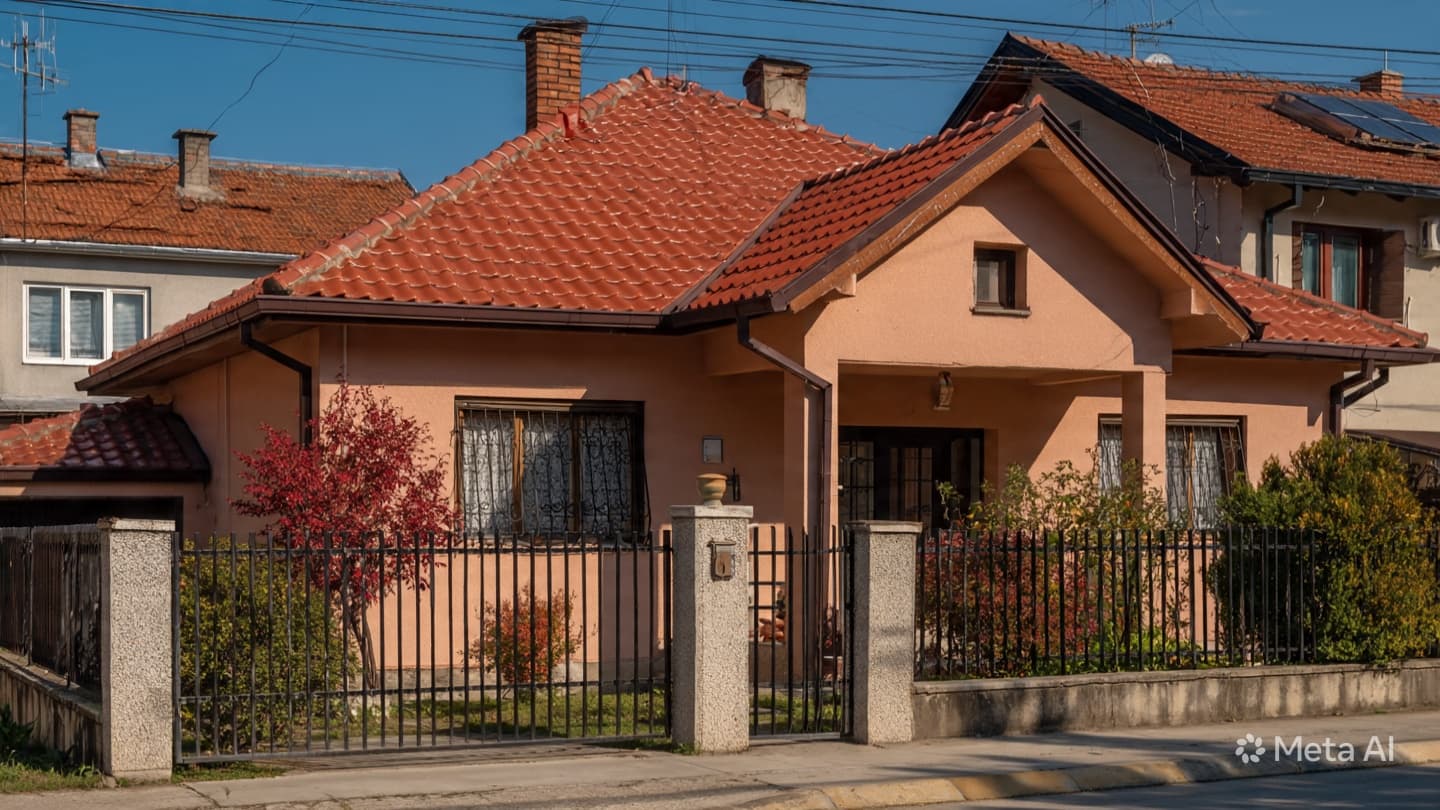
The homes of Tuzla, which serve as the essential sanctuaries of our private lives, are usually places of warmth, security, and the gentle, rhythmic cadence of family existence. When this domestic peace is shattered by an invisible, silent threat like carbon monoxide poisoning, the impact is both profound and deeply disorienting. The home, which should be the ultimate fortress against the outside world, becomes the site of a tragedy that emerges from within, forcing the community to confront the vulnerability of the very systems that sustain our comfort.
The death of two family members is a loss that ripples through the neighborhood, a quiet, devastating punctuation mark in the daily history of the city. The home is now a place of somber inquiry, where investigators move with care to identify the source of the lethal gas. For the residents who live nearby, the incident is a stark, chilling reminder that the safety we attribute to our domestic life is a construct that must be actively maintained, an assumption that can be challenged by the quiet, malfunctioning machinery of our modern existence.
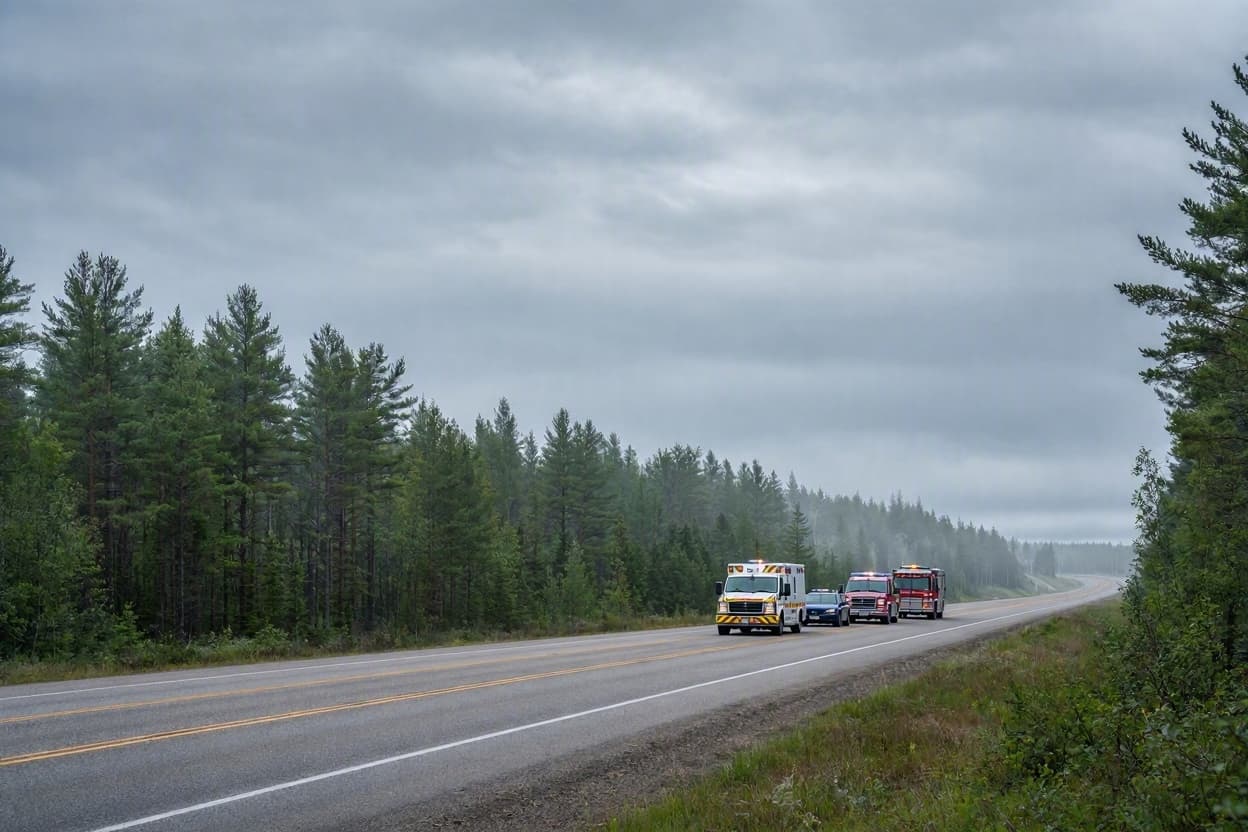
Emergency services, arriving with their practiced, urgent efficiency, respond to a situation that is invisible to the eye yet absolute in its power. Their work, involving the assessment of heating systems and air quality, is a clinical response to a heartbreakingly personal disaster. As they confirm the tragic nature of the event, they serve as the conduits for a city’s collective sorrow, a process that seeks to provide the community with the answers they need to understand how such a quiet, private space could become the center of so much loss.
Reflecting on the nature of the accident, one is struck by the vulnerability of the household. We live our lives with a high degree of trust in our furnaces, our stoves, and our ventilation, rarely considering the silent dangers that can accumulate when these systems fail. Carbon monoxide, a colorless, odorless gas, is the embodiment of the risks we face in the pursuit of a comfortable environment. It is a reminder that the sanctuary of the home is not a static, protected island, but a dynamic, vulnerable part of the city, subject to the same complexities and failures as the world outside.
There is a sense of communal mourning that begins to take hold as the reality of the two deaths settles over Tuzla. The loss of family members is a loss of specific, defined histories, a hole in the fabric of the neighborhood that cannot be filled by the simple technical rectification of the heating system. The community gathers in the quiet, reflective spaces of their own homes, acknowledging the fragility of their own existence and the importance of the awareness that protects them, even in the shadow of such sudden, incomprehensible grief.
As the investigators move through the residence, the process of understanding the failure becomes the priority. It is a necessary, fundamental function of the city, a way of ensuring that the risks are identified and that the community is provided with the information necessary to prevent a recurrence. Yet, for those who knew the family, the technical findings will remain secondary to the immediate, emotional weight of the loss, a feeling that will persist long after the residence is reopened and the routines of the city resume.
Ultimately, the tragedy in Tuzla serves as a sobering note in the broader song of the city. It calls for a renewed focus on safety, not just in the inspection of our heating systems, but in the mindfulness we bring to the environment of our own homes. As the city moves forward, the lesson remains: we are all connected by the spaces we share, and the responsibility for the safety of our homes is a constant, shared, and essential duty. The memory of the two victims will remain, a quiet, persistent presence in the consciousness of a city that is struggling to balance the comfort of its progress with the sanctity of the human life that sustains it.
Authorities in Tuzla are investigating a tragic incident in a private residence where two family members died due to carbon monoxide poisoning. Emergency teams were called to the scene and confirmed the fatalities, prompting an immediate inspection of the home's heating infrastructure. Police are working with health officials to determine the specific source of the gas and have issued a public safety advisory regarding the importance of regular maintenance for residential heating systems.
Published by Banx Network. This article is part of the Banx decentralized media programme, powered by the BXE token on the XRP Ledger.