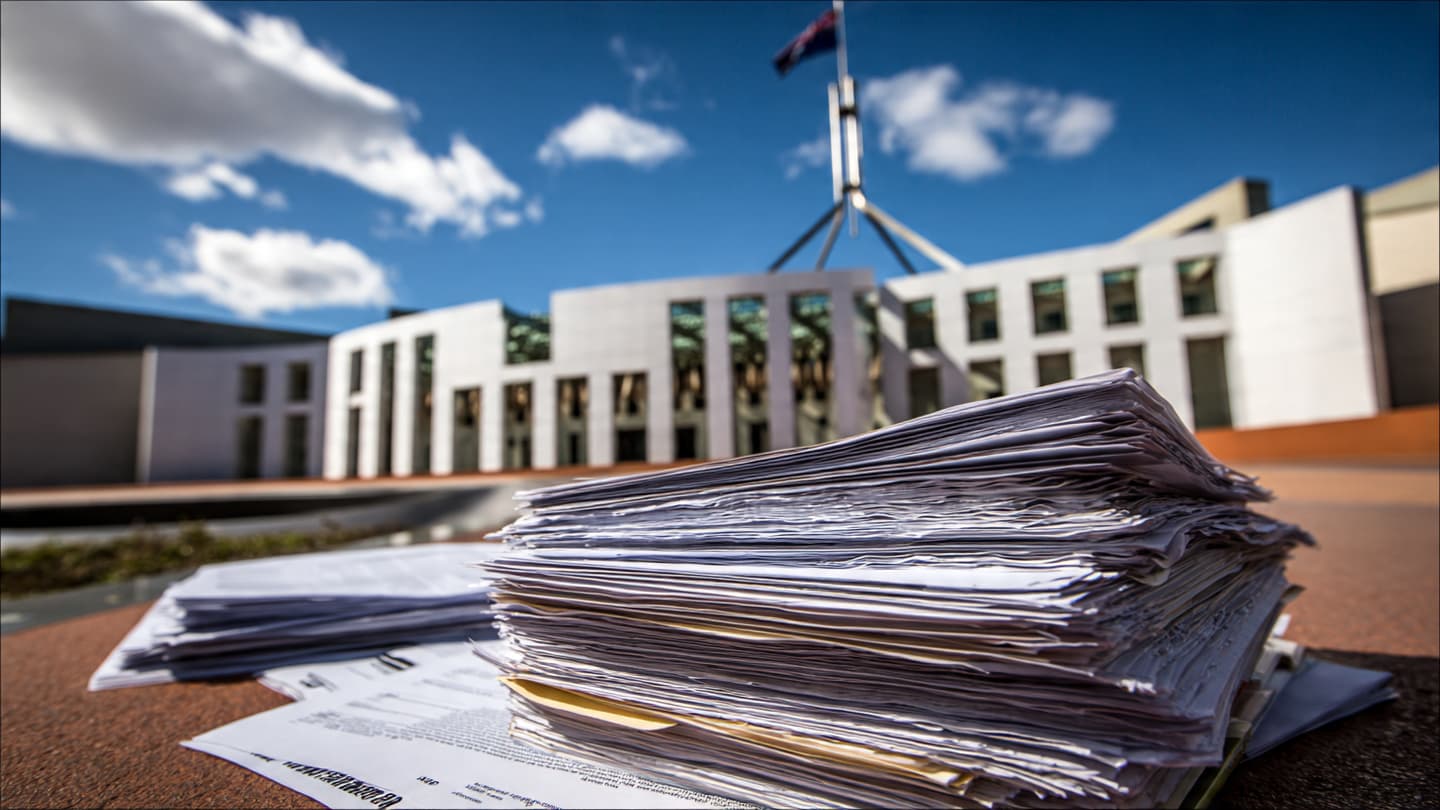
Tax policy is often discussed in numbers, percentages, and budget forecasts, yet beneath those calculations lies something more delicate: public trust. Like the framework of a bridge, financial rules are expected to carry weight steadily and predictably. When changes arrive, attention naturally turns not only to the policy itself but also to who holds the authority to shape its final form.
That conversation has intensified in Australia following scrutiny of proposed tax legislation that would grant Treasurer Jim Chalmers significant discretionary powers over aspects of a broader tax reform package. The proposal has attracted both support and criticism as lawmakers, economists, and industry groups examine the scope of ministerial authority contained within the legislation.
According to reporting on the bill, the reforms form part of a wider effort to reshape capital gains taxation and investment-related tax settings. Critics argue that several provisions would allow the treasurer to make future determinations without requiring the same level of parliamentary review typically associated with major tax changes.
Accounting bodies and legal experts have raised concerns about certainty within the taxation system. Some have suggested that broad ministerial discretion may create ambiguity for investors, businesses, and taxpayers seeking long-term clarity regarding financial planning and compliance obligations.
Supporters of the legislation, however, contend that flexibility is often necessary when implementing complex reforms. Governments frequently require administrative mechanisms that allow technical adjustments as economic conditions evolve or unintended consequences emerge after legislation is enacted.
The debate arrives at a time when Australia continues to grapple with broader questions surrounding housing affordability, investment incentives, government revenue, and intergenerational economic pressures. Tax reform remains one of the most politically sensitive areas of public policy because its effects often reach households, businesses, and financial markets simultaneously.
Treasurer Chalmers has defended the approach, arguing that ministerial powers included in the legislation are consistent with existing legislative practices in several policy areas. Nevertheless, opponents maintain that the number and scope of discretionary provisions represent an unusual concentration of authority within a major tax package.
As parliamentary committees and stakeholders continue to review the legislation, the discussion has expanded beyond technical taxation issues. It has become a broader reflection on how governments balance flexibility, accountability, and certainty when designing economic policy.
The proposed reforms remain under examination, with debate expected to continue as lawmakers consider both the substance of the tax measures and the powers attached to their implementation.
AI Image Disclaimer: Images used for illustration may be AI-generated interpretations and are not direct representations of actual events.
Sources (Verification Check): The Australian, ABC News Australia, Australian Financial Review, CPA Australia reporting
Published by Banx Network. This article is part of the Banx decentralized media programme, powered by the BXE token on the XRP Ledger.