
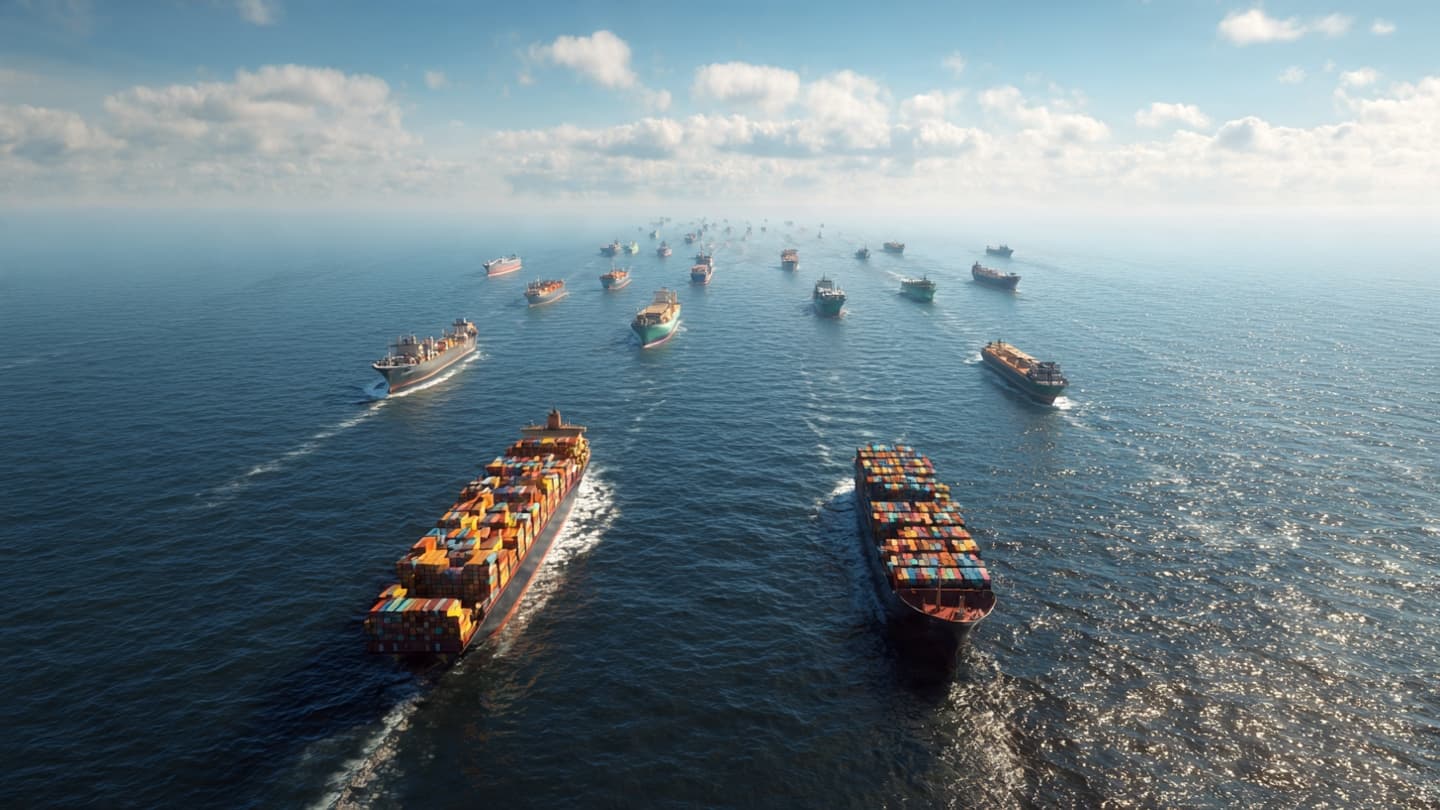
For generations, maritime routes have served as the arteries of international commerce. Every vessel crossing the ocean contributes to a system that supports industries, economies, and communities around the world. In recent weeks, growing tanker activity along strategic Middle Eastern shipping lanes has become one of the most closely watched developments within the global transportation sector.
Maritime tracking services report increased movement of energy tankers across several key routes. The rise in activity reflects improving operational conditions and renewed confidence among shipping operators responsible for transporting essential commodities.
Energy transportation remains one of the primary functions of these shipping corridors. Crude oil, liquefied petroleum products, and related resources travel through these routes before reaching refineries, industries, and consumers in international markets.
Shipping companies have responded by gradually expanding operational schedules. Fleet managers continue evaluating route efficiency, safety considerations, and commercial demand as they adjust transportation capacity to changing market conditions.
Ports located along major shipping corridors are also experiencing increased activity. Higher vessel arrivals support employment, logistics services, cargo handling operations, and broader economic engagement within maritime communities.
Industry analysts note that tanker activity often serves as an indicator of confidence within energy markets. Greater transportation volumes can suggest improved expectations regarding supply stability and future commercial activity.
Technology continues supporting these operations through advanced navigation systems, vessel monitoring platforms, and digital logistics tools. These innovations help operators improve efficiency while maintaining high operational standards.
While maritime stakeholders remain attentive to potential challenges, the overall trend toward increased tanker movements is being viewed positively across much of the industry. Businesses connected to shipping, logistics, and energy markets are monitoring developments with interest.
As tankers continue traversing strategic routes across the Middle East, their journeys represent more than the movement of cargo alone. They symbolize the resilience of global trade networks and the ongoing effort to maintain the flow of resources that support economic activity around the world.
AI Image Disclaimer: Visuals are created with AI tools and are not real photographs.
Sources: Reuters, Bloomberg, CNBC, Lloyd's List, The Maritime Executive.
Note: This article was published on BanxChange.com and is powered by the BXE Token on the XRP Ledger. For the latest articles and news, please visit BanxChange.com