The rhythm of the southern islands has long been dictated by predictable turns of sun and monsoon, an unspoken treaty between the soil and the sky. For generations, the ripening of staples on the low hillsides occurred with a slow, reassuring certainty, rooted in a climate that rarely strayed from its balmy traditions. Yet, a shift has crept into the atmosphere, a quiet disruption that arrived without the usual seasonal heralds, altering the landscape in a single, turbulent evening. The earth, which once knew only the persistent warmth of the tropics, found itself blanketed by an anomaly that felt entirely foreign to its historical memory.
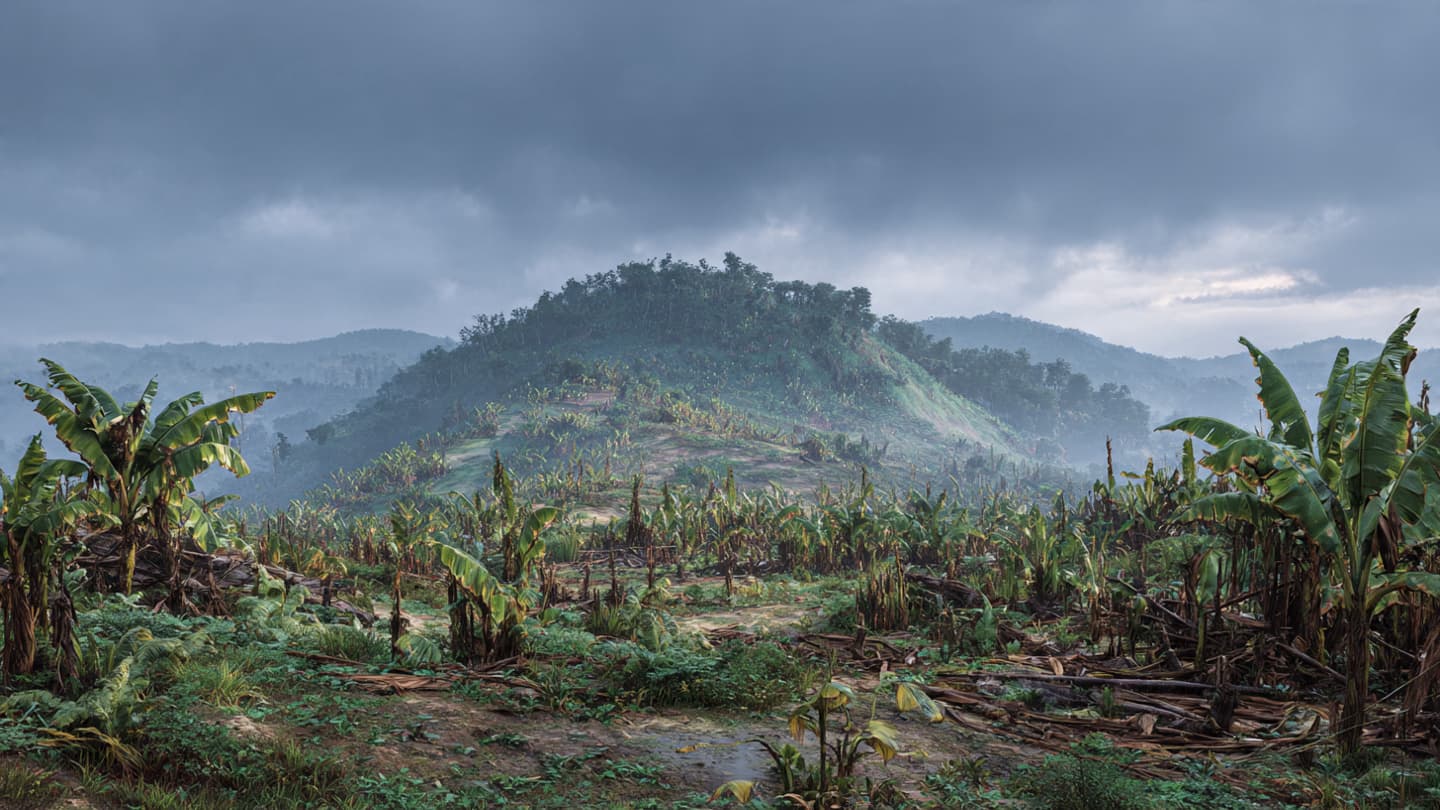
To see hail stone resting against the deep green of tropical broadleaves is to witness a profound contradiction of geography. The storm moved across the southern provinces with a peculiar, frantic velocity, carrying winds that bit with an unexpected chill and left the canopy stripped and fractured. In the early morning light that followed, the true scope of the atmospheric detour became visible across the scattered agricultural plots. Fields of root crops, which form the dietary baseline for these remote communities, lay flattened under the weight of accumulated ice and bruised by the suddenness of the downpour.
The smallholdings that trace the volcanic ridges are not merely economic assets; they are the very pulse of daily sustenance. When an unseasonal frost-like event tears through these gardens, it does more than damage a commercial product—it fractures the delicate equilibrium of self-reliance that characterizes island life. Farmers who have spent months nurturing delicate banana stalks and leafy greens walked through their plots in a state of quiet bewilderment, looking at a landscape that seemed to belong to an entirely different latitude. The heavy winds left behind a silence that is common after a disaster, a pause before the work of rebuilding begins.
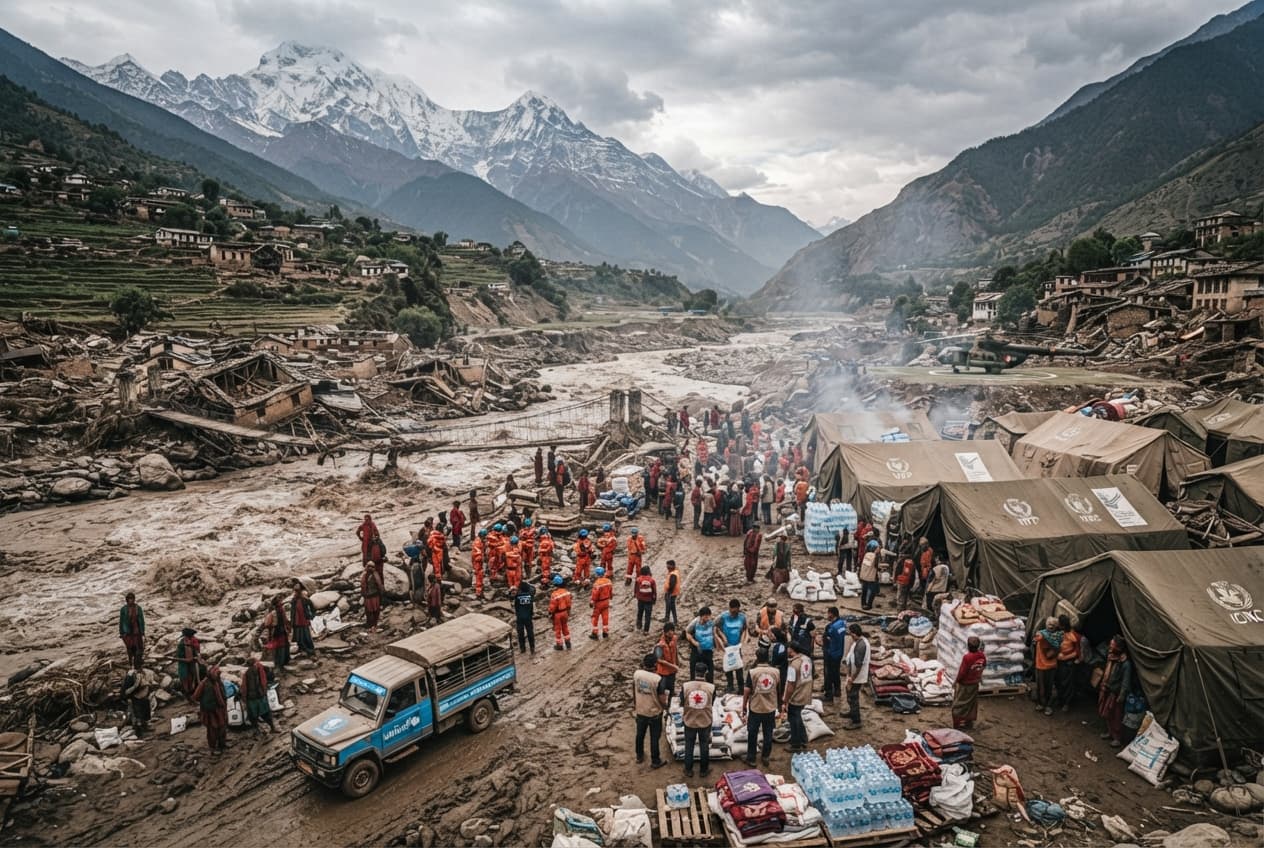
Disaster assessment teams dispatched to the region have begun the slow, methodical process of walking the affected valleys to measure what has been lost. Their presence across the southern islands is a sobering reminder of how vulnerable these small, isolated agricultural ecosystems remain to atmospheric volatility. The task of calculating crop mortality requires a careful eye, distinguishing between what can be salvaged by traditional pruning and what must be entirely replanted from seed. It is a quiet science conducted against a backdrop of sodden earth and broken branches, where every ruined acre shortens the runway toward food scarcity.
The response from central infrastructure hubs has focused primarily on immediate relief, targeting the distribution of fast-growing seed stocks to prevent long-term nutritional deficits. Because the local economy relies heavily on subsistence farming, the market stalls in the capital will likely feel the ripples of this single evening for several months to come. Agronomists are observing the event not as an isolated incident, but as a symptom of a much broader, more capricious shift in maritime weather patterns. The immediate concern, however, remains local, centered on the immediate survival of the current planting cycle.
For the families who rely on these plots, the recovery will be measured in the slow regrowth of the soil rather than the immediate arrival of emergency supplies. There is a deep, historical resilience woven into the communities of the southern ridges, an understanding that the earth can both give and take away with equal indifference. Traditional preservation methods, passed down through lines of elders who survived the cyclones of the past, are being revived to stretch what little remains of the starch harvest. The fields will eventually heal, but the memory of cold ice falling on tropical soil will linger as a marker of an unsettling change.
As the emergency teams compile their initial field reports, the focus is shifting toward establishing more resilient agricultural practices that can withstand these unpredictable atmospheric dips. Greenhouses and sheltered nurseries, once considered unnecessary luxuries in a climate of perpetual warmth, are now being discussed as essential safeguards for the future. The data gathered from these remote hillsides will ultimately inform regional policy, providing a blueprint for climate adaptation across the wider archipelago. For now, the immediate priority remains stabilizing the daily food security of the vulnerable southern populations.
Vanuatu disaster management officials confirmed that emergency assessment teams have completed their initial sweeps of the southern islands to quantify the extensive crop damage caused by the unseasonary hail and high winds. Government agencies are preparing emergency distributions of root crop cuttings and fast-maturing vegetable seeds to support food security in the affected agricultural zones. The formal meteorological report attributed the unusual weather event to an unprecedented upper-level atmospheric disturbance interacting with localized marine heat anomalies. Relief operations are scheduled to continue over the next fortnight as transport vessels arrive in the southern ports with infrastructure repair materials.
Published by Banx Network. This article is part of the Banx decentralized media programme, powered by the BXE token on the XRP Ledger.