
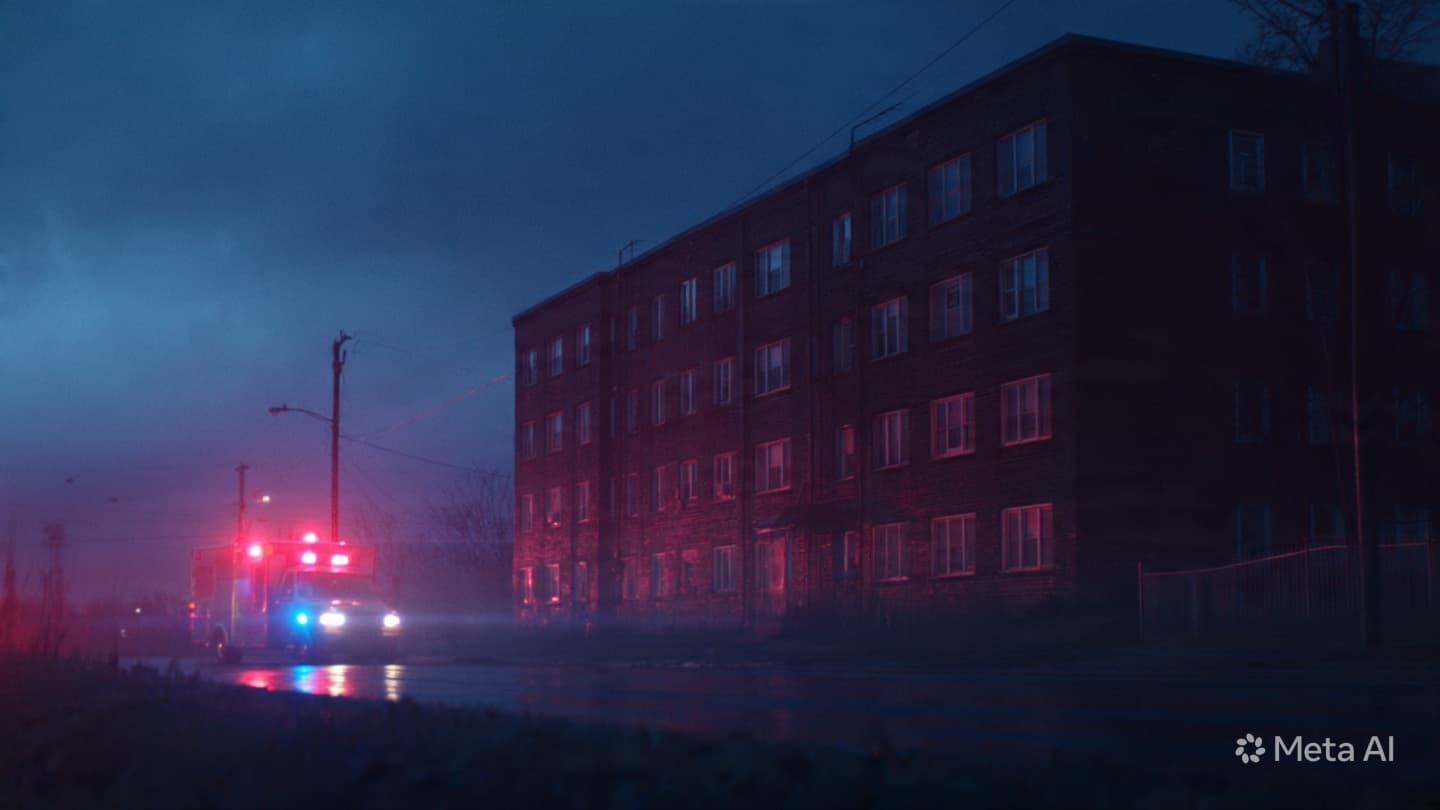
The rhythm of a city is composed of thousands of intersecting lives, each moving through its own architecture of routine. In the vertical density of an apartment complex, this connection is physical and immediate; one’s home is defined not just by walls, but by the presence of neighbors, the shared corridors, and the common infrastructure that holds the structure together. When that stability is interrupted by the sudden, ravenous consumption of a fire, the disruption is felt as a tear in the very fabric of the community.
In the quiet hours, when the city’s pulse slows and the shadows of the high-rises stretch across the pavement, the alarm broke the stillness. It began as a small shift—a plume of smoke, a flicker of light—before escalating into a force that demanded the immediate attention of the city’s emergency responders. The arrival of the fire services, with their flashing lights and coordinated movements, marked the transition of the site from a private space of living to a public arena of emergency and consequence.
There is a visceral, haunting quality to the aftermath of such an event. The blackened windows and the scorched masonry stand as stark reminders of the speed with which our environments can turn against us. The firefighters, moving through the smoke with measured, practiced intensity, represent our collective attempt to reclaim order from the chaos of the blaze. Yet, despite the dedication and the skill of the rescue teams, the reality of the loss often precedes the ability to contain it.
As the smoke cleared and the initial heat dissipated, the true scope of the tragedy began to emerge. The loss of life, reported as the fire was brought under control, cast a long shadow over the district. It is a loss that defies easy explanation, a sudden absence that settles into the neighborhood with an oppressive, suffocating weight. For those who survived, the apartment building remains, but it is no longer the same space; it has been fundamentally altered by the trauma that occurred within its walls.
This incident serves as a grim reflection on the vulnerabilities inherent in our modern, dense living environments. We build upwards and inwards, creating complexities of ventilation and egress that are intended to be safe, yet remain reliant on the constant, vigilant maintenance of systems designed to protect us. When these systems are tested by a fire of such intensity, we are forced to confront the limits of our engineering and the necessity of constant, rigorous oversight.
The investigative process that follows is a slow, methodical attempt to reconstruct the final moments before the blaze. It is a painful necessity, gathering the fragments of evidence—a faulty wire, a forgotten candle, a structural failure—to provide answers that, while providing no comfort to the grieving, are essential for the prevention of future tragedies. This work is performed in the quiet, clinical space of the forensic unit, far from the heat of the fire but burdened by the gravity of its results.
In the days that follow, the neighborhood slowly begins the process of mourning. Flowers appear near the site, a fragile, colorful counterpoint to the gray ash and the cold steel of the building’s frame. It is a communal acknowledgement of the loss, a way of binding the wounds that such an event leaves upon the collective consciousness. The tragedy is not just a news story to be filed away; it is a permanent marker in the landscape of the city, a place where people once lived and where they are now remembered.
As the building is eventually repaired or replaced, the memory of the fire will persist, a quiet lesson on the preciousness of the everyday and the importance of the structures that shelter us. We learn, slowly and often through profound loss, to value the safety of our homes and the presence of our neighbors. The city will continue to pulse, the routines will resume, but the impact of the fire remains, a reminder that even in the heart of the modern world, the elemental forces are never truly far away.
News Update: A deadly fire tore through a residential apartment complex earlier today, triggering a massive response from emergency services. Despite the deployment of dozens of firefighters and specialized rescue equipment, authorities have confirmed multiple fatalities. The building was evacuated as crews worked to contain the blaze and search for trapped residents. An official investigation into the cause of the fire is currently underway as the community begins to process the event.
Note: This article was published on BanxChange.com and is powered by the BXE Token on the XRP Ledger. For the latest articles and news, please visit BanxChange.com